Understanding Cheap Vinyl Flooring
Cheap vinyl flooring is an attractive option for homeowners looking to renovate or upgrade their space without breaking the bank. This versatile flooring solution is both cost-efficient and functional, making it a popular choice for various areas within a home. When considering flooring, it’s important to understand what vinyl flooring entails and the myriad types available. In addition, this guide aims to explore the numerous benefits of choosing cheap vinyl flooring, offering a comprehensive look into why it could be the right option for your next flooring project. If you are on the hunt for affordable yet stylish alternatives for your residence, cheap vinyl flooring may just fit the bill.
What is Vinyl Flooring?
Vinyl flooring is a synthetic flooring material made primarily from polyvinyl chloride (PVC). It is known for its durability, water resistance, and ease of maintenance. Vinyl can mimic the appearance of natural materials such as wood or stone, allowing homeowners to achieve the desired aesthetic without the associated costs or upkeep. This type of flooring is available in various forms including sheets, tiles, and planks, catering to different design preferences and functional needs.
Types of Cheap Vinyl Flooring
There are several types of vinyl flooring available, each with its unique advantages:
- Vinyl Sheets: Comprising large sheets of vinyl, this type is ideal for spaces requiring a seamless surface, making it a popular choice for kitchens and bathrooms.
- Vinyl Tiles: These come in square formats that can be arranged in various patterns and are often used for DIY installations.
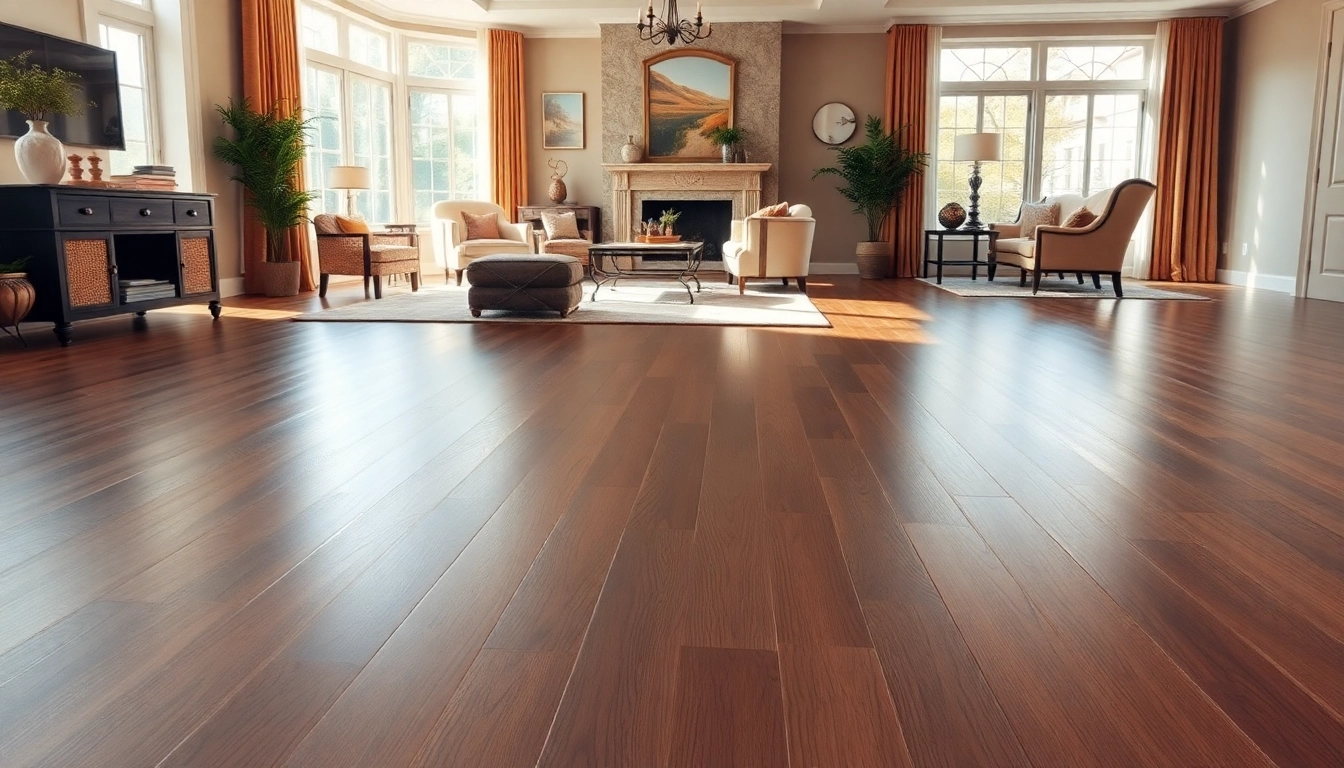
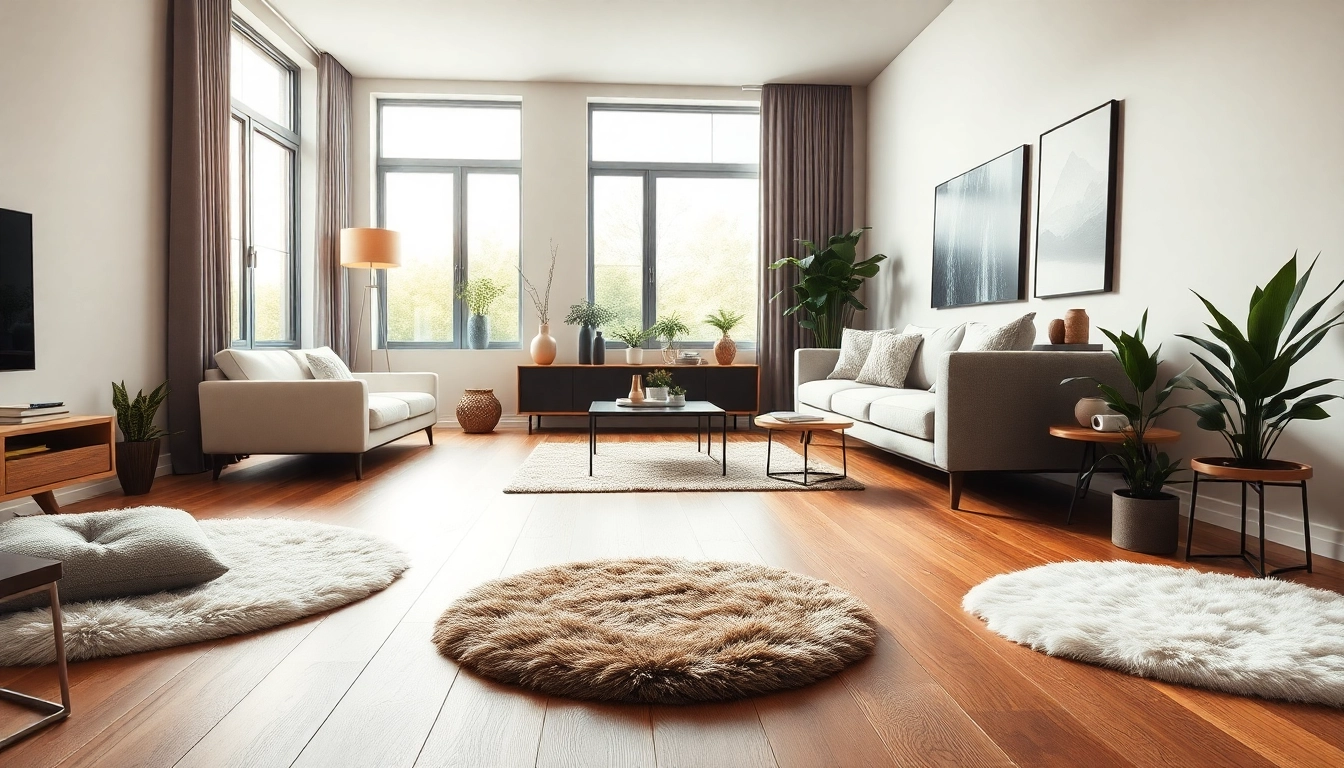
- Vinyl Planks: Known for their resemblance to hardwood flooring, vinyl planks are easily installed and are a great choice for living areas and bedrooms.
Benefits of Using Cheap Vinyl Flooring
Choosing cheap vinyl flooring comes with several perks, including:
- Affordability: The major attraction of cheap vinyl flooring is its cost-effectiveness, making it accessible to a wide audience.
- Water Resistance: Its inherent waterproof properties make it suitable for high-moisture areas like kitchens and baths.
- Easy Maintenance: Cleaning vinyl flooring is straightforward, requiring only regular sweeping and occasional mopping.
- Variety of Designs: Vinyl flooring is available in an extensive range of styles and colors, allowing homeowners to find a look that matches their décor.
- Simple Installation: Many vinyl products are designed for DIY installation, saving on labor costs and providing flexibility during the process.
Factors to Consider When Buying Cheap Vinyl Flooring
Durability and Maintenance
When investing in cheap vinyl flooring, understanding its durability is paramount. Generally, vinyl flooring is rated between 4 to 20 mil thickness, with thicker variants offering enhanced durability. It is crucial to check the wear layer— the top protective layer, as it largely determines how well the flooring withstands scratches, dents, and general wear and tear. Opt for a higher mil rating in areas with heavy foot traffic.
Design and Aesthetics
With advancements in printing technology, vinyl flooring now comes with realistic textures and designs that can closely resemble natural wood, stone, or tile. When selecting design options, consider factors such as color schemes within your home, the overall ambiance you wish to create, and functional aspects like flooring maintenance in correlation with aesthetic preference.
Eco-Friendliness of Materials
Another facet to consider when purchasing vinyl flooring is its environmental impact. While traditional vinyl is made from PVC, which is not biodegradable, some manufacturers now offer products made with less harmful chemicals and those that are recyclable. If eco-friendliness is a concern, look for labels indicating low-VOC emissions and consider how the material’s lifecycle aligns with sustainable practices.
Installation of Cheap Vinyl Flooring
Preparation Process
Before installing cheap vinyl flooring, proper preparation is necessary to ensure a smooth installation. Firstly, measure the area where the flooring will be installed to determine how much material is required. Then, clear the space of all furniture and debris. The subfloor should be clean, dry, and level, as any imperfections can lead to complications later. Consider using a moisture barrier if installing over concrete slabs to prevent dampness from compromising the flooring.
Step-by-Step Installation Guide
Here’s a simplified step-by-step guide for installing vinyl flooring:
- Gather your tools: adhesive (if needed), utility knife, measuring tape, and a roller.
- Start with a clean and dry surface. Lay down a moisture barrier if required.
- Begin laying the vinyl planks or tiles from one corner of the room, ensuring proper alignment.
- Cut pieces to fit around edges and corners as necessary.
- Use adhesive or interlock systems to secure the flooring, depending on your chosen product.
- Roll over the area with a flooring roller to ensure adherence and remove air bubbles.
- Allow the flooring to cure as per the manufacturer’s instructions before placing furniture back in the space.
Common Mistakes to Avoid
While installing cheap vinyl flooring, avoid the following common pitfalls:
- Insufficient Acclimation: Not allowing vinyl to acclimate to room temperature can lead to expansion or contraction issues.
- Poor Measurements: Always double-check measurements before cutting to prevent wastage.
- Ignoring Subfloor Preparation: Failing to prepare the subfloor properly can result in aesthetic and functional flaws.
Cost-Effective Alternatives to Cheap Vinyl Flooring
Budget Flooring Solutions
In addition to vinyl, several budget flooring options are available, including laminate, carpet tiles, and ceramic tiles. Each alternative comes with its pros and cons, often contingent on the specific needs of the project. Laminate offers a wood-like finish with durability similar to vinyl while often being more affordable. Carpet tiles provide warmth and ease of replacement, while ceramic tiles are durable for high-traffic areas but can be costlier to install.
Comparing Vinyl with Laminate and Tiles
While many homeowners may consider laminate or ceramic tile options, vinyl flooring provides unique advantages. Vinyl is typically softer underfoot, making it comfortable for areas where people stand for long periods. Additionally, vinyl holds up better against moisture than laminate, especially in bathrooms or kitchens. When comparing these factors, weigh the importance of skilled labor for installation and long-term maintenance costs.
When to Choose Cheap Vinyl Flooring
Choosing cheap vinyl flooring is ideal when looking for a cost-effective solution that provides both versatility and aesthetic appeal. If your renovation budget is limited, cheap vinyl flooring serves as a practical option with distinct color and textural choices. Often used in rental properties, family homes, or places with high foot traffic, vinyl presents a budget-friendly flooring solution that doesn’t skimp on style or function.
Maintenance Tips for Cheap Vinyl Flooring
Cleaning Routine
Maintaining cheap vinyl flooring is crucial for longevity and appearance. Sweep or vacuum regularly to remove dirt and debris, followed by mopping with a solution specifically designed for vinyl flooring. Avoid using harsh chemicals or scrub pads that may damage the surface. Regular cleaning can prevent scuffs and scratches while giving the flooring its shine.
Repairing Scratches and Dents
Minor scratches can often be buffed out using a soft cloth and a vinyl floor cleaner. For deeper dents or gouges, consider using a repair kit matching the floor’s color for a subtle touch-up. For significant damage, replacing the affected tiles or planks may be necessary. Regularly inspect the flooring for signs of wear to manage repairs early and maintain visual appeal.
Extending the Life of Your Flooring
To extend the lifespan of your cheap vinyl flooring, avoid dragging heavy furniture across the surface to reduce scratches. Use furniture pads or coasters under legged furniture for protection. Additionally, maintain consistent indoor humidity levels to prevent expansion and contraction. Finally, follow a seasonal deep clean to protect and preserve the finish effectively.
Frequently Asked Questions
What is cheap vinyl flooring made of?
Cheap vinyl flooring is primarily made from polyvinyl chloride (PVC), making it durable and water-resistant. Some products may also include other materials to enhance performance.
How long does vinyl flooring last?
With proper maintenance, cheap vinyl flooring can last anywhere from 10 to 20 years, depending on the quality and thickness of the material used.
Can I install cheap vinyl flooring myself?
Yes, many cheap vinyl flooring products are designed for DIY installation. However, proper preparation and following the manufacturer’s guidelines are essential for success.
Is vinyl flooring waterproof?
Cheap vinyl flooring is generally water-resistant, making it suitable for moisture-prone areas like bathrooms and kitchens. However, it’s essential to avoid prolonged exposure to standing water.
Can vinyl flooring be repaired?
Yes, minor scratches can often be repaired with a vinyl floor cleaner, while deeper dents may require a color-matched repair kit or replacement of that section of flooring.