
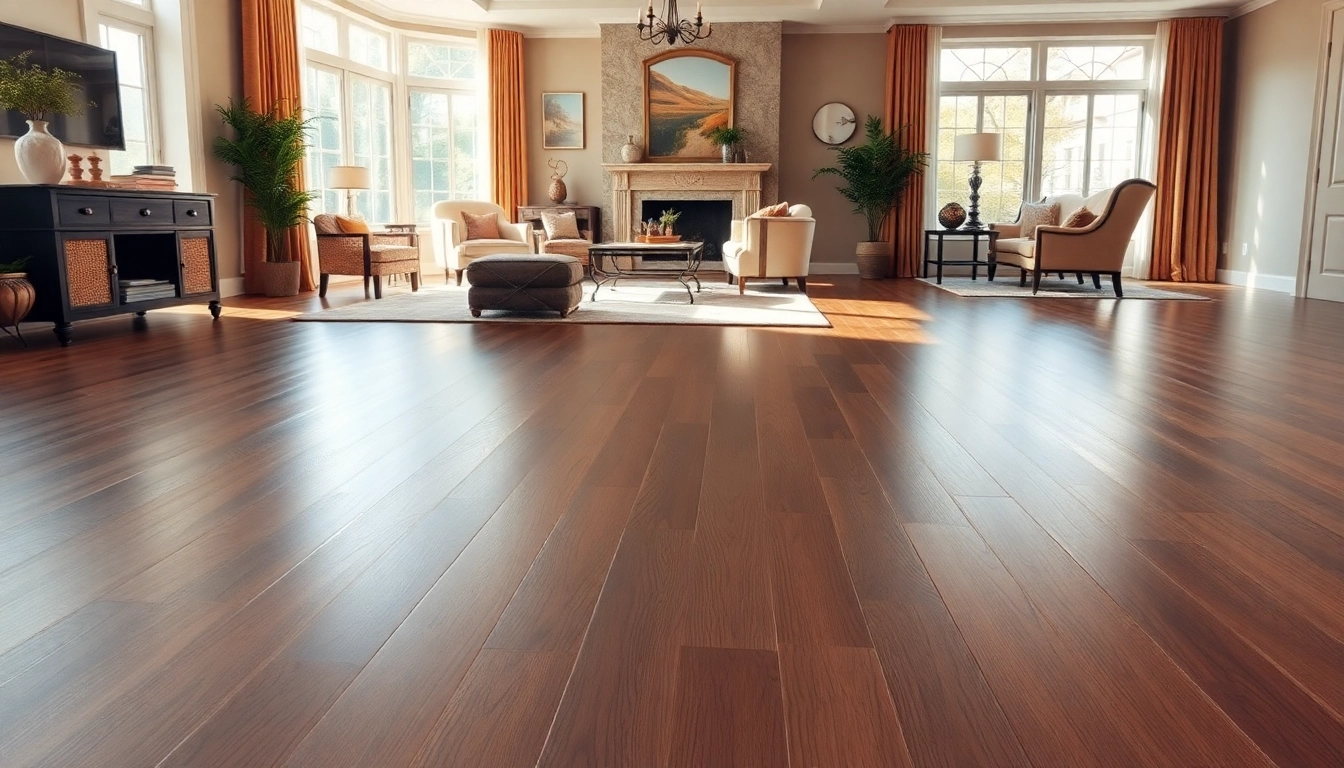
Understanding LVT Flooring
What is LVT Flooring?
LVT, or Luxury Vinyl Tile, is a versatile flooring option designed to mimic natural materials like wood, stone, or ceramic tiles. Composed of multiple layers, LVT is engineered to deliver superior durability combined with aesthetic appeal. It features a top layer of a protective coating, a vinyl layer that contains the design, and a backing layer that provides stability and comfort. Ideal for both residential and commercial environments, lvt flooring has grown in popularity due to its resilience and ease of maintenance.
The Benefits of Choosing LVT Flooring
Opting for LVT flooring comes with numerous advantages:
- Durability: LVT is resistant to scratches, dents, and stains, making it suitable for high-traffic areas.
- Water Resistance: Unlike many traditional flooring options, LVT is moisture-resistant, ideal for kitchens and bathrooms.
- Easy Installation: Available in click-lock systems or glue-down methods, LVT can be installed by DIY enthusiasts or professionals alike.
- Cost-Effective: Compared to hardwood or natural stone, LVT offers a high-quality appearance at a fraction of the cost.
- Easy Maintenance: Regular sweeping and occasional mopping are enough to keep LVT looking its best.
LVT Flooring vs. Other Flooring Options
Understanding how LVT flooring stacks up against other types of flooring can help in deciding the best option for your needs:
| Flooring Type | Durability | Water Resistance | Installation Complexity | Cost |
|---|---|---|---|---|
| LVT | High | Yes | Easy | Mid-range |
| Hardwood | Medium | No | Complex | High |
| Laminate | Medium | No | Easy | Low |
| Tile | High | Yes | Complex | High |
Choosing the Right LVT Flooring for Your Home
Factors to Consider When Selecting LVT Flooring
When selecting LVT flooring, consider the following:
- Room Function: Different areas require different levels of durability. For instance, kitchens, bathrooms, and entryways need water-resistant and highly durable options.
- Traffic Levels: Homes with pets or children should opt for thicker options with a strong wear layer to prevent damage.
- Design Aesthetic: LVT flooring comes in a variety of styles and colors, allowing you to choose a design that complements your home’s interior.
- Installation Method: Determine whether you want to undertake DIY installation or hire a professional, as this may influence your choices.
Popular Styles and Designs of LVT Flooring
LVT flooring is available in myriad styles, catering to diverse aesthetic preferences:
- Wood-Look: These designs imitate real wood grains and textures, offering a classic, warm feel.
- Stone-Look: Perfect for those desiring the elegance of stone without the hefty price tag, these tiles replicate quartz, marble, and slate.
- Abstract Patterns: Available for modern designs, abstract LVT tiles come in vivid colors and unique patterns.
How to Match LVT Flooring with Your Interior Decor
Properly matching LVT flooring with your decor can create a cohesive and inviting space:
- Color Palette: Choose flooring that harmonizes with existing colors in your home, including wall paint and furniture.
- Style Coordination: For modern spaces, opt for minimalist designs. In contrast, traditional designs can complement classic furnishings.
- Texture Play: Mix different textures to enhance visual interest, pairing smooth tiles with plush rugs or textured furnishings.
Installation Guide for LVT Flooring
Preparing Your Space for LVT Flooring Installation
Before installation, ensure your space is prepared properly:
- Cleansing the Subfloor: Remove any debris or imperfections that could interfere with the installation.
- Temperature and Humidity: Ensure the room temperature is regulated between 65°F to 85°F to allow the flooring to acclimate.
- Tools Required: Gather necessary tools such as a measuring tape, utility knife, straight edge, and an underlayment if needed.
Step-by-Step Installation Process
The installation process for LVT flooring can vary based on the method chosen, but general steps include:
- Measure the Area: Calculate the square footage of the floor to ensure you purchase adequate materials.
- Cut the Tiles: Use a utility knife to cut tiles to size, ensuring a seamless fit around edges and corners.
- Lay the Underlayment: If required, lay down the underlayment to provide cushioning and moisture resistance.
- Install the LVT: Begin laying the planks or tiles, following the manufacturer’s guidelines for your chosen installation method.
- Finishing Touches: Install baseboards or trim to complete the look, and ensure any transitions to other floorings are smooth.
Common Mistakes to Avoid When Installing LVT Flooring
Avoid these common pitfalls during installation to ensure a successful outcome:
- Ignoring Acclimation: Failing to allow your flooring to acclimate can lead to expansion or contraction later.
- Incorrect Measurements: Always double-check your measurements to avoid purchasing excessive or insufficient materials.
- Not Allowing for Expansion: When installing planks, leave adequate spacing around walls for expansion.
Maintaining Your LVT Flooring
Daily Care and Cleaning Tips
Keeping your LVT flooring looking new involves a few simple maintenance practices:
- Daily Sweeping or Vacuuming: Remove dust and debris to prevent scratches.
- Regular Mopping: Use a damp mop with a manufacturer-recommended cleaner to maintain shine.
- Area Rugs: Use area rugs in high-traffic zones to protect flooring.
Long-term Maintenance Strategies
For longevity, consider these long-term strategies:
- Seasonal Deep Cleaning: Conduct a thorough cleaning periodically, using appropriate solutions to remove stubborn stains.
- Preventative Measures: Use felt pads on furniture legs to avoid scratches and dents.
- Address Spills Immediately: Clean up spills as soon as they occur to prevent staining or damage.
Dealing with Common Issues in LVT Flooring
Addressing issues quickly can maintain the beauty of LVT flooring:
- Scratches: Use manufacturer-recommended repair kits to fix minor scratches.
- Loose Tiles: Reapply adhesive or replace damaged tiles promptly.
- Discoloration: Avoid exposing LVT to strong sunlight, which could lead to fading.
FAQs About LVT Flooring
Can LVT flooring be installed over concrete?
Yes, LVT can be installed over concrete surfaces using methods such as click-lock, glue-down, or loose lay, as it’s ideal for moisture-resistance.
How do you repair scratches on LVT flooring?
Minor scratches can be repaired using a color-matched repair kit specifically designed for vinyl flooring, ensuring a uniform appearance.
What are the best cleaning products for LVT flooring?
Use pH-neutral cleaners specifically formulated for LVT. Regular sweeping and damp mopping are effective for daily upkeep.
Is LVT flooring waterproof?
While LVT is highly water-resistant, it is not entirely waterproof. Prolonged exposure to standing water can lead to damage.
How long does LVT flooring typically last?
With proper maintenance, LVT flooring can last 10 to 20 years, depending on the quality of materials and installation.