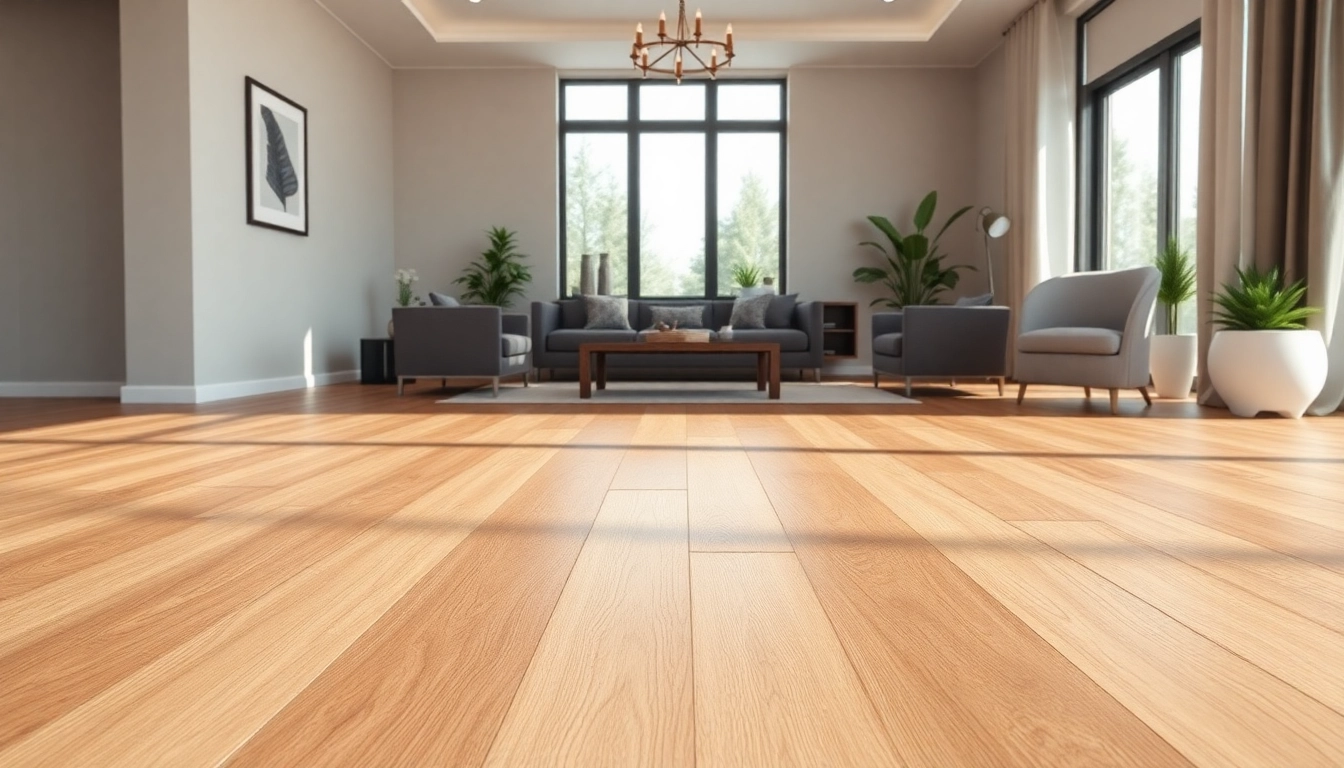
What is Vinyl Plank Flooring?
Definition and Composition
Vinyl plank flooring is a popular and versatile type of flooring that resembles natural hardwood but offers significantly enhanced durability and ease of maintenance. Made from a synthetic material, vinyl plank flooring is composed of a few essential layers that provide a robust structure:
- Aesthetic Layer: The top layer features a printed design that imitates wood, stone, or other natural surfaces.
- Wear Layer: A protective layer that shields the aesthetic layer from scratches, stains, and moisture.
- Core Layer: Provides stability and strength; available in various thicknesses.
- Backing Layer: Offers cushioning and support while enhancing moisture resistance.
Types of Vinyl Plank Flooring
Vinyl plank flooring comes in various forms, allowing homeowners to select options that best fit their needs:
- Luxury Vinyl Plank (LVP): Offers a high-quality look and feel, often featuring registered embossing for a realistic texture.
- Rigid Core Vinyl Plank: Has a solid core for enhanced durability, making it ideal for high-traffic areas.
- WPC (Wood Plastic Composite): A waterproof option that combines a wood and plastic composite for added resilience.
- SPC (Stone Plastic Composite): Known for its stone core, making it one of the most durable and waterproof vinyl options available.
Benefits of Vinyl Plank Flooring
The advantages of vinyl plank flooring are manifold, contributing to its popularity among homeowners and designers:
- Durability: Vinyl plank flooring is designed to withstand heavy foot traffic, making it ideal for homes with pets or children.
- Water Resistance: Many vinyl planks are waterproof, making them suitable for kitchens, bathrooms, and basements.
- Easy Installation: Vinyl planks can often be installed as a floating floor, requiring minimal tools and experience.
- Low Maintenance: Simple cleaning techniques make upkeep easy; just sweeping and occasional mopping will keep floors looking new.
- Variety of Styles: Options range from modern and sleek to rustic and traditional, allowing homeowners to find the perfect match for their aesthetic.
Choosing Vinyl Plank Flooring for Your Space
Factors to Consider
When selecting vinyl plank flooring, several factors should guide your decision-making process:
- Foot Traffic Levels: Assess how much traffic the area will see; thicker and more durable options are better for high-traffic areas.
- Moisture Exposure: For spaces like bathrooms and kitchens, waterproof options are crucial to avoid warping or damage.
- Subfloor Condition: Ensure the subfloor is clean, dry, and even. Proper preparation will enhance the longevity of the flooring.
- Installation Method: Consider whether you want to install the flooring as a DIY project or hire professionals, as this can affect your choice.
Colors and Styles Available
The aesthetic flexibility of vinyl plank flooring is one of its main attractions. Options include:
- Wood-Look Planks: Mimics the grain and texture of various hardwood species.
- Stone-Look Tiles: Provides the rugged beauty of stone without the high cost and maintenance associated with real stone.
- Solid Colors: Available in vibrant and muted tones for a sleek, modern look.
Where to Use Vinyl Plank Flooring
Vinyl plank flooring can enhance various spaces within a home:
- Living Rooms: Offers a cozy feel with the look of hardwood without the expense.
- Bathrooms: Waterproof options are perfect for high moisture environments, providing both style and utility.
- Kitchen: Durable surface stands up well to spills and frequent cleaning.
- Basements: Resists moisture and mold, making it suitable for below-grade installations.
Installation of Vinyl Plank Flooring
Preparation Steps
Preparing the space for vinyl plank flooring is vital to ensure a successful installation:
- Remove Existing Flooring: Clear the area of furniture and remove any existing flooring materials.
- Assess and Repair the Subfloor: Check for bumps, holes, or moisture issues. Repairing the subfloor before installation is crucial.
- Measure the Area: Accurately measuring the space will help you determine how many planks you’ll need, minimizing waste.
- Acclimate the Flooring: Allow your vinyl planks to acclimate in the room for a few days before installing, which will reduce expansion and contraction post-installation.
DIY Installation Guide
If you decide to install vinyl plank flooring yourself, follow these steps for a straightforward process:
- Start by laying out the planks in the desired layout, ensuring the first row is straight.
- Use a tongue-and-groove locking mechanism or adhesive (if required) to attach the planks.
- Cut the ends of the planks where necessary using a utility knife or saw.
- Continue laying rows, staggering seams for a more natural look.
- Finally, install any trim or baseboards to complete the look.
Hiring Professionals
If DIY isn’t your style, hiring a professional installer may be the best option:
- Experience: Professionals often have the skills to handle tricky layouts and maximize material use.
- Efficiency: They can typically complete the installation faster than an untrained homeowner.
- Warranty: Many professional services offer warranties that can provide peace of mind regarding the installation process.
Maintenance and Care for Vinyl Plank Flooring
Cleaning Techniques
Keeping vinyl plank flooring in optimal condition isn’t complicated. Follow these cleaning methods:
- Regular Sweeping: Remove dust and debris daily or weekly to prevent scratching.
- Mopping: Use a damp mop with a mild soap solution for deeper cleaning.
- Avoid Harsh Chemicals: Stay away from products like bleach or ammonia that might damage the planks.
Common Issues and Solutions
As with any flooring, vinyl planks can encounter issues. Here are some common problems and their solutions:
- Scratches: For minor scratches, use a repair kit or a damp cloth with a gentle abrasive cleaner.
- Moisture Issues: Ensure to dry spills immediately, as prolonged moisture can affect the adhesive and durability.
- Warpage: If planks warp, they may need to be removed and re-installed after assessing conditions.
Longevity and Durability
With proper maintenance, vinyl plank flooring can last 10-20 years, depending on the quality of the material and the conditions of use:
- Quality Matters: Higher quality materials often come with better warranties and greater durability.
- Caring for Your Floors: Regular maintenance greatly extends the life of your flooring, keeping it looking new for as long as possible.
Frequently Asked Questions about Vinyl Plank Flooring
Is vinyl plank flooring waterproof?
Many vinyl plank products are waterproof, but it’s essential to check the specifications of each product as not all are designed to withstand moisture.
How do I install vinyl plank flooring?
Installation can be DIY or carried out by professionals. It involves preparing the subfloor, laying planks in a staggered pattern, and ensuring proper alignment.
What are the benefits of vinyl plank flooring?
Benefits include durability, water resistance, low maintenance, ease of installation, and a wide variety of styles to enhance any space.
How do I clean vinyl plank flooring?
Regularly sweep and mop with a mild soap solution. Avoid abrasive cleaners and excessive moisture, as this can damage the flooring.
Can vinyl plank flooring be repaired?
Yes, minor scratches can be fixed with repair kits. For larger damages, individual planks may need to be replaced.