
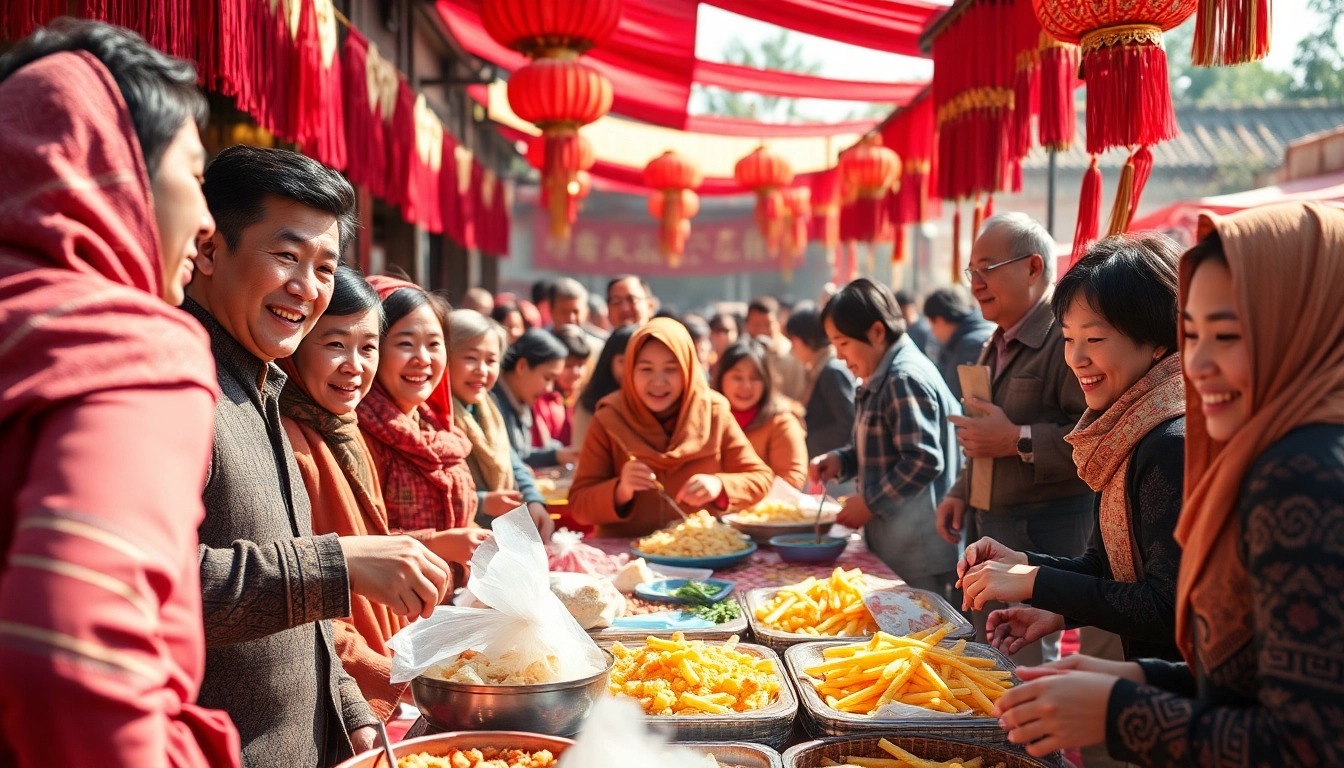
Introduction to the Uyghurs Community
The Uyghurs Community is a culturally rich group primarily located in the Xinjiang Uyghur Autonomous Region of China. Known for their unique customs, practices, and societal structures, the Uyghurs have a long history that intertwines with various empires and influences across Central Asia. This article aims to delve into the intricacies of the Uyghurs Community, exploring their historical background, cultural significance, challenges they face today, contributions to global culture, and prospects for the future.
Historical Background and Origin
The roots of the Uyghurs trace back to ancient Turkic tribes that settled in what is now modern-day Mongolia and China. Historical texts suggest that they formed a unique identity around the 8th century, further influenced by Chinese, Persian, and Islamic cultures over the centuries. Their establishment of the Uyghur Khaganate marked a significant period in which trade routes such as the Silk Road flourished, connecting the East and West. This laid the foundation for the cultural, religious, and linguistic components that characterize the Uyghurs today.
Cultural Significance and Practices
The cultural practices of the Uyghurs are an intricate tapestry of influences. Their predominant religion is Islam, which shapes many of their customs. Festivals such as Eid al-Fitr and Eid al-Adha are celebrated with communal prayers, feasting, and charitable actions. Traditional clothing often features vibrant colors and intricate embroidery, representing not only aesthetic preferences but also social status and identity. In addition, the Uyghurs are known for their hospitality, where sharing meals and offering tea is a quintessential expression of friendship and community bonding.
Current Demographics and Locations
Today, the Uyghurs are concentrated mainly in the Xinjiang region, where they make up a significant part of the population, alongside Han Chinese. Beyond China, substantial Uyghur communities have formed in countries such as Turkey, Kazakhstan, and various European nations due to migration driven by political and economic factors. The dispersal of the Uyghurs has led to diverse cultural expressions, yet they face challenges in preserving their heritage in a diaspora environment.
Cultural Identity of the Uyghurs Community
Language and Literature
The Uyghur language, a Turkic language, holds immense cultural significance, boasting a rich history of oral and written literature. Uyghur poetry and prose often reflect themes of love, nature, and resistance against oppression. Modern Uyghur literature includes novels, short stories, and essays that convey both historical narratives and contemporary experiences. However, the language faces threats from the increasing dominance of Mandarin, raising concerns about linguistic heritage preservation.
Traditional Arts and Crafts
Craftsmanship among the Uyghurs encompasses a variety of traditional arts, including carpet weaving, pottery, and jewelry making. Uyghur carpets, known for their meticulous designs and vibrant colors, are celebrated worldwide. The craftsmanship is often passed down through generations, involving specialized techniques that reflect community history and storytelling. This artisan legacy not only supports the local economy but also serves as a cultural vehicle, preserving Uyghur traditions in an increasingly modernizing world.
Music, Dance, and Celebration
Music and dance are integral to Uyghur culture, characterized by lively rhythms and expressions of joy and spirituality. Classic instruments such as the dutar (a two-stringed lute) and the rawap (a stringed instrument) accompany traditional dances like the Muqam, a rich, multi-layered performance that combines music, poetry, and choreography. Celebrations, particularly during weddings and festivals, feature energetic performances that not only entertain but also reinforce community bonds and cultural pride.
Challenges Faced by the Uyghurs Community
Political Issues and Human Rights
Over recent years, the Uyghurs Community has faced significant political repression and human rights abuses, particularly under Chinese governmental policies aimed at promoting assimilation. Reports of mass detentions, forced labor, and cultural erasure have raised global alarms regarding the treatment of Uyghurs. Advocacy organizations and human rights activists have mobilized, calling for international intervention and justice, shedding light on the plight of a community struggling for their basic rights and freedoms.
Economic Struggles and Displacement
The socio-economic conditions of the Uyghurs have deteriorated as a direct result of state policies. Many traditional economic practices, including agriculture and small-scale trade, have been undermined. Economic opportunities often favor Han Chinese populations, leading to increased income inequality and displacement. Uyghur families have faced difficulties in securing livelihoods, resulting in a broader diaspora as community members seek better prospects abroad, often facing hurdles such as xenophobia and cultural barriers.
Global Awareness and Advocacy Efforts
Global awareness regarding the Uyghurs Community has surged, spurred by activism and dedicated efforts from advocacy groups. Social media platforms have played a significant role in spreading information about their situation, rallying support for policy changes and humanitarian relief efforts. International collaborations among human rights organizations have pushed for investigations and sanctions against those perpetrating abuses, striving to elevate the voices of the Uyghurs on the global stage.
Contributions of the Uyghurs Community
Influence on Regional Cuisine
The culinary landscape of Central Asia is profoundly impacted by Uyghur cuisine, which is characterized by hearty flavors and distinctive dishes. Signature meals like laghman (hand-pulled noodles) and kebabs reflect a blend of influences from Central Asian, Middle Eastern, and Chinese culinary traditions. The preparation and sharing of food within the community embody cultural values of togetherness and hospitality, drawing interest from the wider gastronomic world and enriching global cuisine.
Participation in Global Arts
Uyghur artists contribute to the global arts scene through their unique perspectives and rich cultural heritage. Exhibitions featuring Uyghur art and performances highlight issues of identity, resilience, and cultural survival. Their participation in international festivals and collaborations helps foster a greater understanding of their culture and challenges, while also serving as a platform for transnational dialogue and solidarity among marginalized communities worldwide.
Role in Promoting Cultural Diversity
The Uyghurs, through their rich traditions and vibrant culture, play a pivotal role in promoting cultural diversity. Their narratives contribute to a broader understanding of multiculturalism and the significance of heritage preservation in an increasingly homogenized world. Advocacy for their culture inspires not only other marginalized groups but also promotes the importance of respecting and valuing diverse identities within a globalizing context.
Future of the Uyghurs Community
Paths to Cultural Preservation
Efforts towards cultural preservation among the Uyghurs are led by both community members and allies globally. Initiatives focusing on documenting oral histories, restoring traditional practices, and promoting Uyghur literature are crucial for sustaining their cultural legacy. Education programs targeting younger generations, both within and outside Xinjiang, emphasize the importance of heritage and equip them with the tools to navigate a multicultural world while embracing their identity.
Strengthening Community Ties Globally
Strengthening ties among Uyghur communities abroad is essential for fostering resilience and support. Forming networks and alliances can facilitate resource sharing, advocacy, and cultural exchange. Communication technologies enable these dispersed communities to maintain collective identity and solidarity, thus enhancing their capacity to tackle challenges collectively and promoting a shared vision for cultural survival and recognition.
Engaging Younger Generations
Engaging younger generations in the stories, struggles, and traditions of the Uyghurs is vital for sustaining cultural identity. Utilizing modern social media and technology can inspire active participation and a sense of pride in their heritage. Programs that encourage creative expression through art, literature, and performance not only help preserve cultural practices but also enhance the ability of youth to articulate their narratives within a complex global landscape.
FAQs
What is the Uyghurs Community known for?
The Uyghurs Community is recognized for its rich cultural heritage, including unique customs, traditional music, dance, and distinctive cuisine that reflects their Turkic roots.
Where do most Uyghurs live today?
Most Uyghurs reside in the Xinjiang Uyghur Autonomous Region of China, but significant populations also live in countries like Turkey, Kazakhstan, and various parts of Europe due to migration.
What challenges does the Uyghurs Community face today?
Today, the Uyghurs face numerous challenges, including political repression, human rights abuses, economic struggles, and cultural erasure due to government policies aimed at assimilation.
How can people support the Uyghurs Community?
Supporting the Uyghurs Community can be done through advocacy, raising awareness about their situation, and contributing to organizations dedicated to their rights and cultural preservation.
What is the significance of Uyghur cuisine?
Uyghur cuisine plays a vital role in their cultural identity, characterized by unique flavors and dishes that signify their heritage, hospitality, and communal bonds.