
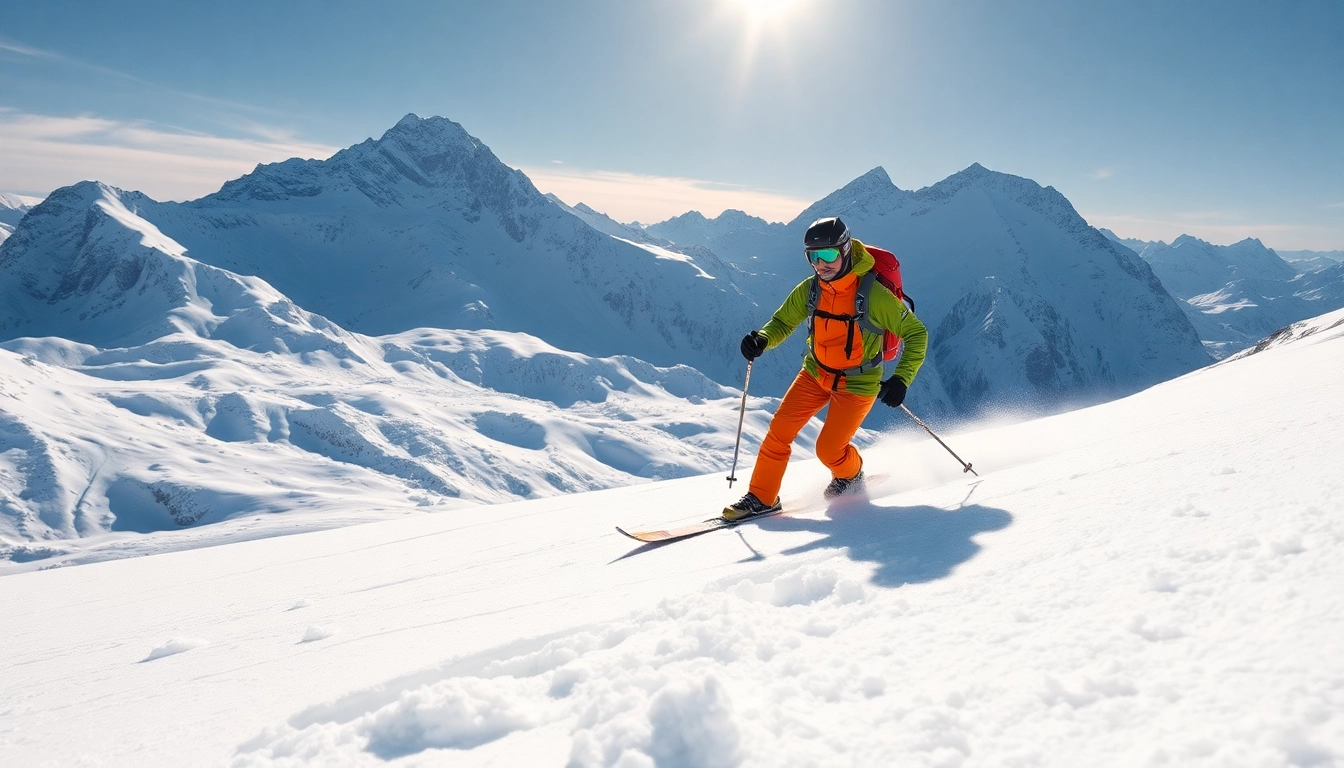
Understanding Backcountry Skis
What Are Backcountry Skis?
Backcountry skis are specially designed for snowy terrains outside of traditional ski resorts. Unlike standard downhill skis, these skis enable skiers to access off-piste areas, unmarked trails, and remote mountain ridges. They offer a unique combination of features, making them ideal for ascents and descents in variable snow conditions. With their lightweight construction and uphill climbing capabilities, Backcountry skis provide adventure seekers with the freedom to explore untouched landscapes.
Key Features of Backcountry Skis
The key features of backcountry skis distinguish them from other types of skis. Typically, they are wider than traditional alpine skis, with a design that enhances flotation in powder and stability in variable snow conditions. Additional features include:
- Metal Edges: These provide grip on icy surfaces, essential for control during both ascent and descent.
- Lightweight Materials: Backcountry skis are usually made from lighter materials like carbon fiber or lightweight wood cores, reducing fatigue during long climbs.
- Camber and Rocker Profiles: Most backcountry skis exhibit a combination of camber underfoot for grip when skiing downhill and rocker at the tip for easier turn initiation and float in soft snow.
- Tail Design: Many have a raised tail or notch to accommodate climbing skins, which are vital for uphill travel.
Differences Between Backcountry Skis and Other Types
Understanding the differences among various ski types is crucial for any skier. Here’s how backcountry skis differ from other ski styles:
- Alpine Skis: These are heavier and designed primarily for groomed trails. They lack the lightweight features and grip needed for backcountry exploration.
- Cross-Country Skis: Generally narrower, these skis are made for flat terrains and lack the durability needed for rugged backcountry environments.
- Freestyle Skis: Built for terrain parks and tricks, they prioritize maneuverability over touring capabilities.
How to Choose Backcountry Skis
Determining Your Skill Level
One of the first steps in selecting backcountry skis is evaluating your skiing proficiency. Beginners might opt for skis with a softer flex, which provide more forgiveness during turns. Intermediate and advanced skiers may prefer stiffer models that offer enhanced stability and performance on steeper terrain. It’s essential to choose a ski type that complements your ability to navigate varied backcountry environments.
Terrain Considerations for Backcountry Skis
Consider the types of terrain you plan to ski. Flat, rolling hills may require different skis than steep, mountaineous areas. If you foresee tackling deep powder or aggressive descents, choose features that enhance float and control. On the contrary, if your trips will involve less extreme climbs, lighter and narrower skis might suffice.
Preferred Ski Length and Width
The size of your skis directly influences your performance and comfort. Longer skis generally provide more stability at high speeds, while shorter skis allow for easier maneuverability. The width is particularly important in backcountry skiing, as wider skis enhance flotation in soft snow but might be cumbersome in tight trees or narrow paths. Aim for a length and width that matches your height, weight, and preferred skiing style.
Best Practices for Using Backcountry Skis
Gear Maintenance Tips
Proper maintenance of your backcountry skis is vital for performance and longevity. Here are some tips to keep your gear in top shape:
- Regular Waxing: Wax your skis frequently to ensure they glide smoothly over snow.
- Edge Sharpening: Maintain sharp edges to enhance grip on icy surfaces.
- Cleaning Skins: Keep your climbing skins clean and dry to avoid moisture buildup and ensure proper adhesion to your skis.
- Storage: Store your skis in a cool, dry area, avoiding direct sunlight to prevent damage.
Safety and Navigation Essentials
Backcountry skiing can be thrilling, but safety should always be your priority. Essential safety gear includes:
- Avalanche Equipment: Always carry an avalanche transceiver, probe, and shovel.
- Map and Compass: Navigating in the backcountry requires proficiency in reading maps and using a compass.
- First Aid Kit: A fully stocked first aid kit can be lifesaving in emergencies.
Additionally, learning how to properly use this gear is crucial for your safety.
Weather and Avalanche Awareness
Understanding weather patterns and avalanche risks is essential. Check weather forecasts and avalanche reports before venturing out. Look for signs of instability in the snowpack, such as recent avalanches, cracks, or weak layers. Being knowledgeable about terrain traps—areas that could accumulate snow and pose hazards—is equally important.
The Benefits of Using Backcountry Skis
Enhanced Performance in Varied Conditions
Backcountry skis are designed to perform optimally in diverse conditions. Their wider frames and specialized edge designs ensure effective navigation through powder, crust, and variable snow. This adaptability makes them a preferred choice for adventurous skiers looking to explore remote areas.
Physical Benefits of Backcountry Skiing
Skiing in the backcountry offers an intense workout that combines cardiovascular endurance, strength training, and balance. The varied terrain requires different muscle groups to engage, which can lead to improved fitness levels and overall well-being.
Mental Health Benefits of Being Outdoors
Spending time outdoors has been shown to reduce stress and improve mood. The exhilarating experience of skiing through beautiful, untouched landscapes can provide profound mental health benefits, helping you recharge and connect with nature.
Frequently Asked Questions About Backcountry Skis
What makes backcountry skis different?
Backcountry skis are wider, sturdier, and equipped with metal edges, offering better control and flotation in deep snow compared to traditional skis.
What are good backcountry skis?
Good options typically include lightweight models like the Blizzard Zero G 105 and designs optimized for powder such as the Voile HyperDrifter.
Can you use any ski for backcountry skiing?
You can use most skis for backcountry skiing if they have compatible boots and bindings that allow for uphill travel and downhill descent.
How do I maintain my backcountry skis?
Regular maintenance includes checking wax levels, sharpening edges, and storing them properly to maximize lifespan and performance.
What gear should I bring while skiing backcountry?
Essentials include avalanche safety gear, maps, navigation tools, appropriate clothing, and snacks for sustenance throughout your adventure.