Understanding Commercial Toilet Refurbishment
What is Commercial Toilet Refurbishment?
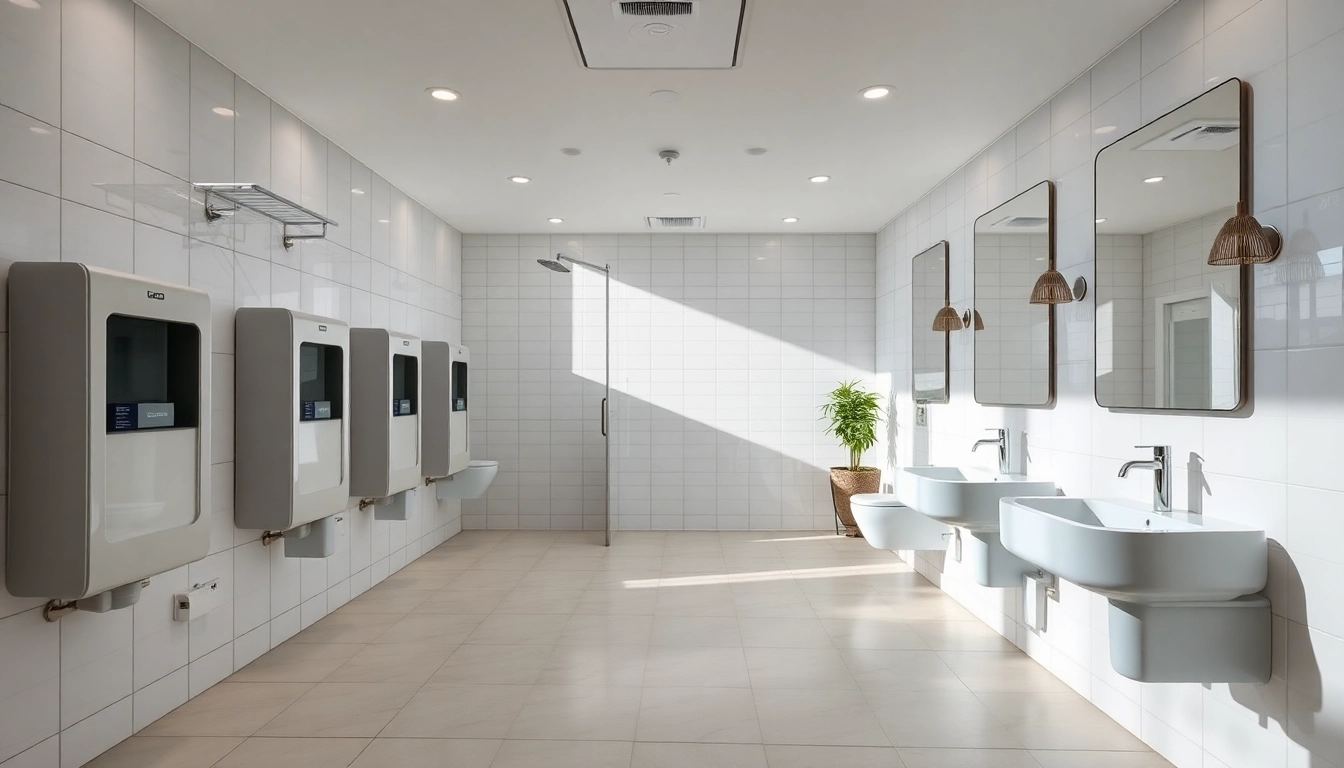
Commercial toilet refurbishment is the comprehensive process of upgrading existing restroom facilities within businesses or public spaces to enhance functionality, aesthetic appeal, and compliance with health and safety regulations. This may involve replacing old fixtures, renovating layouts, installing modern technology, or even altering the plumbing system to ensure a better user experience. The aim is to create restrooms that not only meet the current needs but also anticipate future demands for comfort, efficiency, and sustainability.
Why is it Important for Businesses?
Investing in commercial toilet refurbishment offers numerous benefits for businesses. Firstly, modern facilities improve user satisfaction, which can enhance a company’s reputation. A well-designed restroom contributes positively to the overall impression of the business, encouraging customers and clients to return. Secondly, efficient fixtures reduce water and energy consumption, leading to lower operating costs. Thirdly, compliance with accessibility laws ensures that all patrons, regardless of mobility, can access the facilities comfortably.
Common Challenges in Refurbishment Projects
While refurbishment can deliver significant benefits, it is not without its challenges. Common issues may include budget constraints, unforeseen structural problems, tight timelines, and the need to minimize disruptions to ongoing operations. Additionally, ensuring compliance with local regulations and guidance for health and safety can complicate the refurbishment process. A thorough planning phase, which addresses these challenges, is essential for a successful outcome.
Key Elements of a Successful Refurbishment
Choosing the Right Fixtures and Materials
Selecting the appropriate fixtures and materials is paramount in commercial toilet refurbishment. Options vary widely, from traditional porcelain toilets to high-efficiency models that save water. Durable materials like commercial-grade vinyl flooring, resilient wall panels, and stainless steel fixtures not only enhance longevity but also ease maintenance. The choice of fixtures should reflect both functionality and aesthetics, aligning with the overall design theme of the space.
Incorporating Accessibility and Compliance
Accessibility is a critical factor in the refurbishment process. Facilities must adhere to local building codes and the Americans with Disabilities Act (ADA) or equivalent standards in respective regions, which require features such as grab bars, accessible sinks, and sufficient space for wheelchair maneuverability. Beyond compliance, designing with accessibility in mind demonstrates a commitment to inclusivity, providing a welcoming environment for all users.
Design Trends in Commercial Restrooms
Keeping up with design trends can significantly enhance the appeal of commercial restrooms. Modern trends often emphasize biofiltration, creative lighting, and sustainable materials. Eco-friendly solutions, such as low-flow toilets and energy-efficient hand dryers, not only reduce the environmental impact but also lower utility costs. Additionally, the use of color psychology can transform the restroom ambiance, making it a more pleasant experience for users.
Steps to Plan Your Refurbishment Project
Conducting a Needs Assessment
Before embarking on any refurbishment project, it is crucial to conduct a comprehensive needs assessment. This process involves gathering inputs from staff and users to understand their needs, preferences, and pain points. Analyzing traffic patterns and usage frequency can also provide insights on which areas most need improvement. Such assessments form the backbone of effective project planning, ensuring that the refurbishment addresses actual needs rather than assumptions.
Setting a Budget and Timeline
Creating a realistic budget and timeline is essential for the success of the refurbishment project. It is important to account for all potential costs, including materials, labor, and any unexpected expenditures. An ideal budget should also include a contingency fund to cover unforeseen circumstances that may arise during the project. Moreover, the timeline should be carefully structured to minimize disruptions while maintaining efficient progression through each phase of the refurbishment.
Engaging Professional Services
Hiring a team of professionals can significantly enhance the efficiency and effectiveness of your refurbishment project. General contractors, specialized plumbing and electrical contractors, and design consultants can bring invaluable expertise to the table, ensuring that all aspects of the project are executed with precision. Professional services also help navigate regulatory requirements and coordinate between different trades, facilitating a smoother project flow.
Maximizing Installation Efficiency
Preparation and Cleanup
Effective preparation sets the tone for an efficient installation process. This involves ensuring that all necessary permits are in place, procuring materials ahead of time, and establishing a clear workflow among contractors. During the final stages of installation, proper cleanup protocols should be in place to ensure that the restroom is not only functional but also clean and welcoming upon completion.
Minimizing Business Disruption
To minimize disruptions during refurbishment, clear communication with staff and customers is vital. Informing users of construction timelines and alternative arrangements can help maintain customer satisfaction. Scheduling work during off-peak hours or phases can also lessen the impact on daily operations. This strategic planning reduces stress and enhances the efficiency of the project.
Quality Control Measures
Implementing stringent quality control measures throughout the refurbishment process ensures that the finished work meets the required standards. Regular inspections and checklist-based evaluations should be carried out to identify any discrepancies early. Establishing quality benchmarks for materials and workmanship helps guarantee that the project delivers lasting results.
Measuring Success Post-Refurbishment
Feedback from Users and Staff
Gathering feedback once the refurbishment is complete is essential to evaluate its success. Surveys and informal discussions with staff and users can yield insights into their satisfaction levels and highlight areas for further improvement. Positive feedback reinforces the value of the investment, while constructive criticism provides opportunities for ongoing enhancements.
Monitoring Maintenance Needs
Post-refurbishment, it’s crucial to monitor the maintenance needs of the facilities. Regular maintenance checks help identify potential issues before they escalate into significant problems. Creating a maintenance schedule can prolong the lifespan of fixtures and materials, ensuring that restrooms remain in excellent condition for users.
Evaluating Cost Savings and ROI
Finally, assessing the return on investment (ROI) should be a key focus after refurbishment. Setting specific KPIs such as reduced maintenance costs, lower water usage, and increased user satisfaction can help in tracking the effectiveness of the refurbishment. Calculating the cost savings achieved through efficient fixtures and reduced downtime can further highlight the value of the refurbishment project.
FAQs About Commercial Toilet Refurbishment
What is the typical timeline for a commercial toilet refurbishment?
The timeline for a commercial toilet refurbishment varies based on the size and complexity of the project. Generally, it can range from a few weeks to several months, including planning and execution phases.
How much does a commercial toilet refurbishment cost?
Costs for commercial toilet refurbishment can vary greatly. Factors include the size of the space, materials chosen, and labor costs. A detailed budget based on these factors is essential for accurate projections.
What features should be included in an accessible restroom?
Accessible restrooms should feature grab bars, lowered sinks, larger stall spaces, and clear signage to help individuals with disabilities navigate the facilities comfortably and safely.
How can I make my restroom more eco-friendly?
To improve eco-friendliness, consider installing low-flow toilets, energy-efficient lighting, and using sustainable materials. Regular maintenance is also vital for ensuring long-term sustainability.
What maintenance practices should be done post-refurbishment?
Post-refurbishment maintenance should include regular inspections, repairs as needed, cleaning protocols, and monitoring for compliance to keep facilities in optimal condition for users.