Introduction to Waterproof LVP Flooring
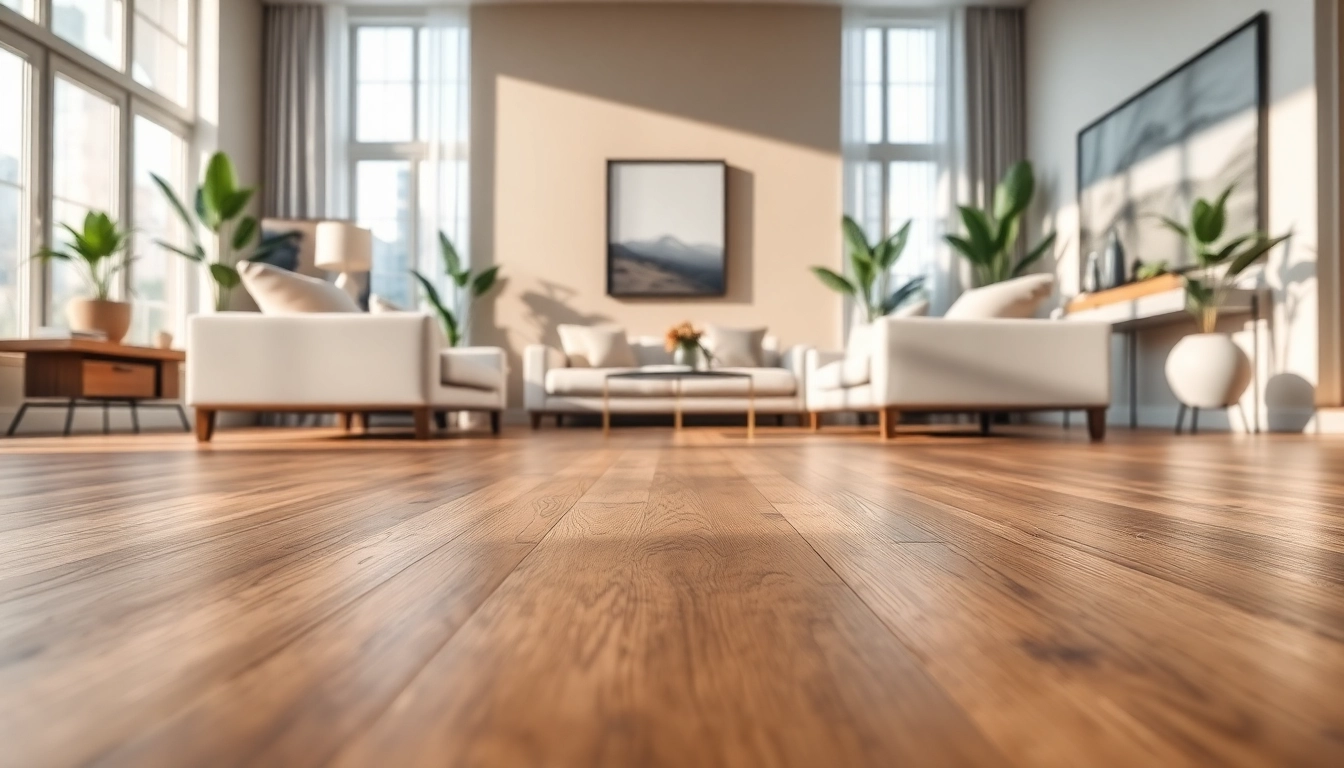
Choosing the right flooring is a significant decision for homeowners. Among the myriad options available, waterproof lvp flooring stands out for its unique blend of durability, aesthetics, and functionality. Understanding the features and benefits of waterproof luxury vinyl plank (LVP) flooring can help you make an informed decision for your home.
Understanding Luxury Vinyl Plank Flooring
Luxury Vinyl Plank flooring is an engineered product that combines high-quality materials to replicate the natural look of hardwood, stone, or tile. It typically consists of multiple layers: a backing layer for stability, a core layer for structure, a design layer that provides the aesthetic appeal, and a wear layer that offers protection against scratches and stains. Waterproof LVP flooring takes this a step further, as it is designed to withstand moisture, making it ideal for any room in your home, including areas prone to spills and high humidity.
Benefits of Choosing Waterproof Flooring
The advantages of selecting waterproof LVP flooring are compelling:
- Moisture Resistance: Its waterproof feature means you don’t have to worry about spills or water damage.
- Durability: Made with tough materials, it resists scratches, dents, and impacts, providing long-lasting beauty.
- Easy Maintenance: Simple to clean, requiring only regular sweeping and occasional mopping.
- Versatile Design Options: Available in various styles, colors, and textures to fit any decor.
- Comfort Underfoot: Its softer surface feels more comfortable to walk on compared to traditional tile or laminate options.
Applications in Home Design
Waterproof LVP flooring is well-suited for numerous applications within the home. It works beautifully in:
- Kitchens: With the potential for spills and heavy traffic, waterproof flooring proves invaluable.
- Bathrooms: Its resistance to water makes it an excellent choice for wet areas.
- Bases: In basements where moisture can rise through the ground, LVP is a reliable option.
- Living Areas: Offers aesthetic appeal and resilience against daily wear and tear.
Installation Process for Waterproof LVP Flooring
Preparing Your Subfloor
The first step in the installation process is preparing your subfloor. It should be clean, dry, and level to ensure a successful installation. Inspect for any protruding nails or screws, and repair any holes with a suitable filler. If your subfloor is uneven, using a leveling compound can create a smooth surface for the LVP underlayment.
Step-by-Step Installation Guide
Installing waterproof LVP flooring can be done as a DIY project or by hiring professionals. Here’s a straightforward guide for DIY enthusiasts:
- Acclimation: Allow your LVP planks to adjust to the room’s temperature for 48 hours.
- Layout Planning: Plan your layout by determining where the planks will be laid, ideally along the longest wall.
- Install Underlayment: If recommended, lay down an underlayment to provide cushioning and sound absorption.
- Start Placing Planks: Use the click-lock mechanism to install the planks, ensuring they fit snugly.
- Cut to Fit: Use a utility knife to trim planks at edges and corners for a precise fit.
- Final Touches: Install baseboards or moldings to cover expansion gaps along the edges.
Common Mistakes to Avoid
While installing waterproof LVP flooring, avoid these common pitfalls:
- Neglecting Acclimation: Skipping acclimation can cause planks to expand or contract after installation.
- Improper Underlayment: Failing to use or improperly installing underlayment can compromise sound reduction and comfort.
- Incorrect Cutting: Not measuring and cutting properly can lead to mismatched seams.
- Ignoring Expansion Gaps: Forgetting to leave proper expansion gaps can result in buckling.
Maintenance Tips for Waterproof LVP Flooring
Daily Care and Cleaning
Maintaining waterproof LVP flooring is relatively simple. Regular sweeping or vacuuming to remove dirt and debris is crucial. For deeper cleaning, a damp mop with a gentle cleaner is recommended. Avoid harsh chemicals that can damage the surface. Additionally, use furniture pads to prevent scratches from heavy furniture.
Long-Term Maintenance Practices
To extend the life of your LVP flooring, consider these long-term maintenance practices:
- Regular Cleaning Schedule: Create a regular cleaning regimen to keep your floor looking new.
- Monitor Humidity Levels: Ensure humidity levels remain stable, particularly in bathrooms and kitchens to prevent warping.
- Inspect Regularly: Periodically check for signs of wear or damage and address them promptly.
Dealing with Scratches and Damage
Minor scratches can often be buffed out using a soft cloth or a special vinyl floor cleaner. For deeper scratches, you may consider using a vinyl repair kit that matches the color of your flooring. If damage is extensive, replacing individual planks may be necessary, which is manageable given the modular nature of LVP.
Design Options and Trends in Waterproof LVP Flooring
Styles and Patterns Available
Waterproof LVP flooring boasts a wide variety of styles and patterns. From traditional wood looks to modern stone designs, there is something to fit every aesthetic preference. Some popular styles include:
- Wood-Look Planks: Mimic the elegance of hardwood with rich textures and hues.
- Stone-Look Tiles: Deliver a sophisticated appearance reminiscent of natural stone.
- Patterned Options: Feature geometric designs or intricate patterns to add a unique flair.
Color Trends for 2023
In recent trends, neutral tones like greys and taupes are dominating the scene, complementing various color palettes while creating an open feel. Additionally, classic warm hues that imitate natural wood tones are popular for adding warmth and coziness to interiors.
Using Waterproof LVP for Different Rooms
The versatility of waterproof LVP means it can be utilized in every room of the house. Consider using:
- Living Rooms: For durability and aesthetic appeal.
- Entryways: To combat dirt and moisture from outside.
- Bedrooms: For softness underfoot and noise reduction.
Comparative Analysis of Flooring Options
Waterproof LVP vs. Traditional Vinyl Flooring
While both options are popular, traditional vinyl flooring is often less resistant to moisture compared to waterproof LVP. This makes LVP a better choice for wet areas, providing greater longevity in moisture-prone spaces.
Comparing Costs and Value
Although the initial cost of waterproof LVP flooring may be higher compared to traditional vinyl, the long-term value justifies the investment. Its durability, low maintenance requirements, and ability to withstand moisture make it a cost-effective solution over time.
Understanding ROI for Homeowners
Investing in waterproof LVP flooring not only enhances the aesthetic appeal of your home but also increases its market value. Homebuyers are often drawn to properties with high-quality, durable flooring options, contributing positively to your return on investment.
Frequently Asked Questions
Is waterproof LVP truly waterproof?
Yes, waterproof LVP is designed to repel water and moisture, preventing damage. However, it is best to avoid allowing standing water to rest on it for long periods.
Can I install waterproof LVP in my bathroom?
Absolutely! Waterproof LVP is an excellent choice for bathrooms due to its moisture resistance, making it ideal for this space.
How do I clean waterproof LVP flooring?
Regular sweeping or vacuuming to remove dirt, paired with occasional damp mopping using gentle cleaners, suffices to keep it clean.
Is it possible to repair scratches on waterproof LVP?
Minor scratches can often be buffed out or treated with a vinyl repair kit, while deep scratches may require plank replacement.
What are the long-term benefits of waterproof LVP flooring?
Waterproof LVP flooring offers durability, ease of maintenance, resistance to moisture and scratches, and aesthetic flexibility, making it a wise long-term investment.