
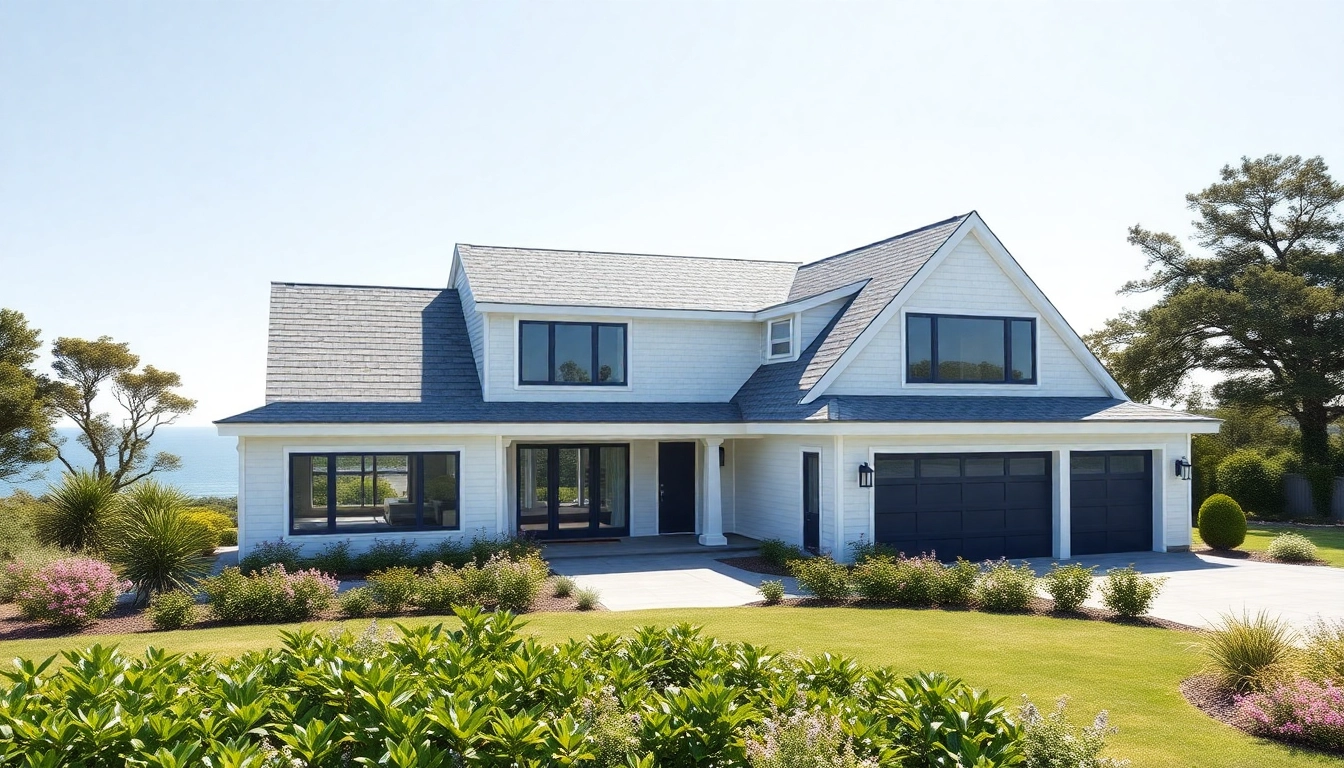
Introduction to Cape Cod Home Addition
As the trend for home expansion continues to grow, many homeowners are considering the benefits of adding a new space to their residences. A cape cod home addition is a thoughtful approach that not only enhances the living area but also adds to the architectural charm typical of Cape Cod homes. Understanding the unique characteristics of Cape Cod architecture and the benefits that come with expanding your living space is essential when planning your project.
Understanding Cape Cod Architecture
Cape Cod architecture, rooted in New England’s colonial heritage, is known for its unique features, including steep roofs, dormer windows, and symmetrical facades. Homeowners often appreciate the cozy, rustic aesthetics, which evoke a sense of tradition and timelessness. These homes typically make use of wood sidings, shingle roofs, and simple yet elegant interiors that are both functional and inviting. By respecting these architectural styles, homeowners can create harmonious additions that blend seamlessly with the existing structure.
Benefits of Expanding Your Living Space
Adding an extension to your home can offer a multitude of benefits. First and foremost, it increases the square footage, providing more room for family gatherings, personal hobbies, or even the addition of an office space. This can be particularly advantageous in today’s work-from-home environment. Additionally, a well-planned cape cod home addition can raise your property’s value significantly, making it a worthwhile investment. More than just a financial gain, expanding your space can also enhance your lifestyle by providing comfort and functionality that meets your growing needs.
Planning Your Addition Project
Proper planning is key to a successful home addition. Consider your needs, budget, and the existing layout of your home. Consult with an architect or designer who is experienced in Cape Cod styles to ensure that the new space complements your home’s aesthetics. Also, contemplate the purpose of the addition: will it be a new bedroom, a spacious kitchen, or perhaps an attached garage? The answer to this will dictate factors like design, materials used, and the overall cost of the project.
Design Options for Your Cape Cod Home Addition
Choosing the Right Architectural Style
When designing your addition, it is crucial to choose an architectural style that matches the existing structure. For Cape Cod homes, sticking to traditional elements such as gabled roofs, dormers, and wooden clapboards will help maintain architectural integrity. Modern interpretations can include open floor plans and large windows that provide natural light, while still ensuring the exterior pays homage to the simplicity and charm of classic Cape Cod design.
Incorporating Functional Spaces
Think about how the addition can serve multiple purposes to maximize its functionality. Built-in storage can address clutter; for instance, a mudroom addition can provide space for shoes, coats, and outdoor gear, which is particularly useful in a family home. Additionally, consider integrating features such as a home office nook or a reading corner that encourages relaxation while still being conducive to productivity.
Balancing Aesthetics and Functionality
A successful addition will balance aesthetic appeal with practical usability. This means sticking to a color palette and materials that match the existing home while ensuring that the new space is designed around your lifestyle needs. For example, adding expansive windows may enhance the beauty of a room while inviting more natural light, which can create a warmer, more welcoming environment.
Materials and Finishes for Cape Cod Home Addition
Selecting Sustainable Materials
Incorporating sustainable building materials into your addition is not only environmentally friendly but can also result in long-term savings. Look for options such as reclaimed wood, recycled metal roofing, and energy-efficient insulation. These materials promote a reduced carbon footprint while also ensuring durability in coastal conditions typical of Cape Cod.
Durable Finishes for Coastal Environments
Due to the unique weather conditions of coastal areas, selecting materials that can withstand moisture, salt, and wind is vital. Fiber cement siding and stainless steel hardware are excellent choices for durability. Ensure that all finishes are rated for coastal use, providing peace of mind that your investment will stand the test of time.
Color Schemes that Enhance Curb Appeal
A thoughtful color palette can increase the visual appeal of your cape cod home addition, enhancing its integration with the surrounding environment. Soft, muted colors reminiscent of the coastal landscape, such as blues, greys, and whites, often work well. These colors not only provide a tranquil aesthetic but also help in reflecting sunlight, keeping the interior cooler during warm summer months.
Permits and Regulations for Home Addition
Navigating Local Building Codes
Before commencing any construction, it’s essential to navigate local building codes and regulations. Each town may have different requirements governing residential upgrades and expansions, which can include aspects such as structural integrity and safety compliance. Engaging with a local architect or builder familiar with these codes can simplify the process significantly.
Understanding Zoning Laws
Zoning laws dictate how land can be used and are crucial to understand when planning your expansion. These laws can influence the size, height, and placement of your addition. In some regions, there may be setback requirements that dictate how far from the property line your addition must be, as well as guidelines on the overall floor area ratio.
Working with Local Authorities
Establishing a collaborative relationship with your local building authority is crucial. They can provide insights into the necessary permits and inspections required throughout the construction process. This cooperation can prevent delays and ensure that your project proceeds smoothly from beginning to end.
FAQs about Cape Cod Home Addition
What are the steps involved in planning a cape cod home addition?
The process includes assessing your needs, designing the layout, obtaining permits, and hiring contractors to execute the vision efficiently.
How can I maintain the aesthetic of my existing home?
Choose consistent materials and colors that complement your current home design, ensuring a harmonious transition between old and new elements.
What materials are best for coastal home additions?
Use weather-resistant materials like fiber cement siding, stainless steel fixtures, and treated wood to withstand the harsh coastal environment effectively.
How long does a cape cod home addition project typically take?
Projects can range from 3 to 6 months, depending on the addition’s size and complexity, alongside any permitting requirements that may arise.
Are there financing options available for home additions?
Yes, many homeowners choose home equity loans, personal loans, or specialized construction financing to support their addition projects, making it financially feasible.


