Introduction to Anxiety Symptoms
Anxiety is a natural human emotion, but when it becomes overwhelming, it can interfere significantly with daily life. Understanding anxiety symptoms is crucial for effective management and recovery. In this comprehensive guide, we'll explore the various aspects of anxiety, including its common symptoms, their impact on daily activities, and ways to recognize them early for better intervention.
What Are Common Anxiety Symptoms?
Anxiety symptoms can manifest both physically and mentally. Common physical symptoms include a racing heart, shortness of breath, and muscle tension. Mentally, individuals may experience excessive worry, restlessness, and difficulty concentrating. Understanding these symptoms enables individuals to identify their condition and seek help promptly.
How Anxiety Affects Daily Life
The impact of anxiety on daily life is profound. Tasks that once seemed manageable can become daunting. Anxious individuals may avoid social situations, struggle at work, and find it challenging to relax. Over time, these behaviors can lead to isolation and worsening mental health, emphasizing the need for effective coping strategies.
Recognizing Symptoms Early
Recognizing anxiety symptoms at an early stage can significantly improve the course of treatment. Regularly checking in with oneself, keeping a journal, or discussing feelings with close friends or family can aid in early detection. Awareness fosters proactive measures, allowing individuals to take appropriate steps toward managing their anxiety effectively.
Physical Manifestations of Anxiety Symptoms
Identifying Physical Symptoms
Physical symptoms of anxiety are often the first indicators that something is wrong. These can include headaches, digestive issues, and fatigue, as the body reacts to psychological stress. Recognizing these symptoms is essential, as they can often be mistaken for other medical conditions, leading to unnecessary worry or incorrect treatment.
How to Distinguish Anxiety Symptoms from Other Conditions
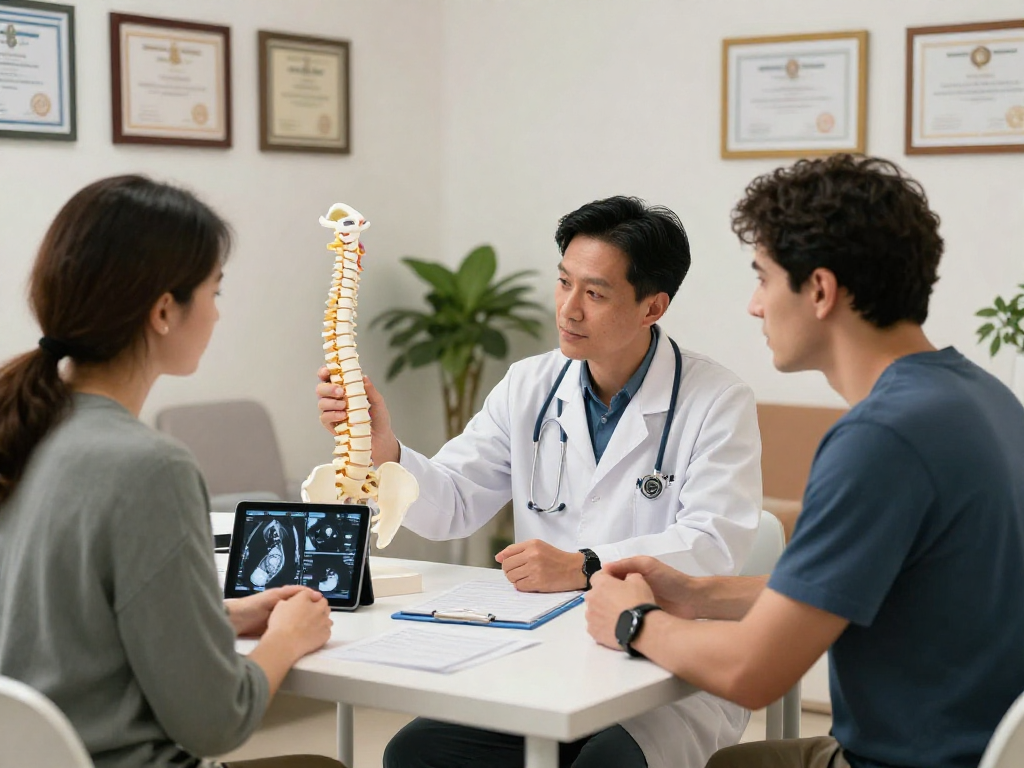
Distinguishing anxiety symptoms from other health issues can be challenging. Conditions such as heart disease, asthma, and gastrointestinal disorders can produce similar symptoms. Medical professionals recommend thorough examinations, including blood tests and assessments of personal and family medical histories, to rule out other potential causes and establish an accurate diagnosis.
Managing Physical Symptoms of Anxiety
Management of physical symptoms often involves a multi-faceted approach. Deep breathing exercises, yoga, and physical activity can help alleviate tension and reduce anxiety. In some cases, psychotherapy or medication may be necessary. Individuals should work closely with healthcare providers to devise a tailored management plan that suits their specific needs.
Psychological Impact of Anxiety Symptoms
Common Psychological Symptoms of Anxiety
In addition to physical symptoms, psychological symptoms play a vital role in anxiety disorders. Persistent feelings of dread, irritability, and nervousness are common. These symptoms can lead to impaired concentration and affect decision-making abilities, making it essential to address them head-on.
Assessing Mental Health Impact
The mental health impact of anxiety cannot be overstated. It can lead to the development of other disorders, such as depression or eating disorders. Regular mental health assessments can help gauge the severity of anxiety and the effectiveness of various coping strategies, allowing for adjustments as needed.
Importance of Seeking Help
Seeking help for anxiety symptoms is crucial for recovery. Many individuals may hesitate due to stigma or a belief that they should manage their feelings independently. However, professional support from therapists and healthcare providers can provide valuable tools and strategies for managing anxiety more effectively.
Effective Coping Strategies for Anxiety Symptoms
Practicing Mindfulness and Meditation
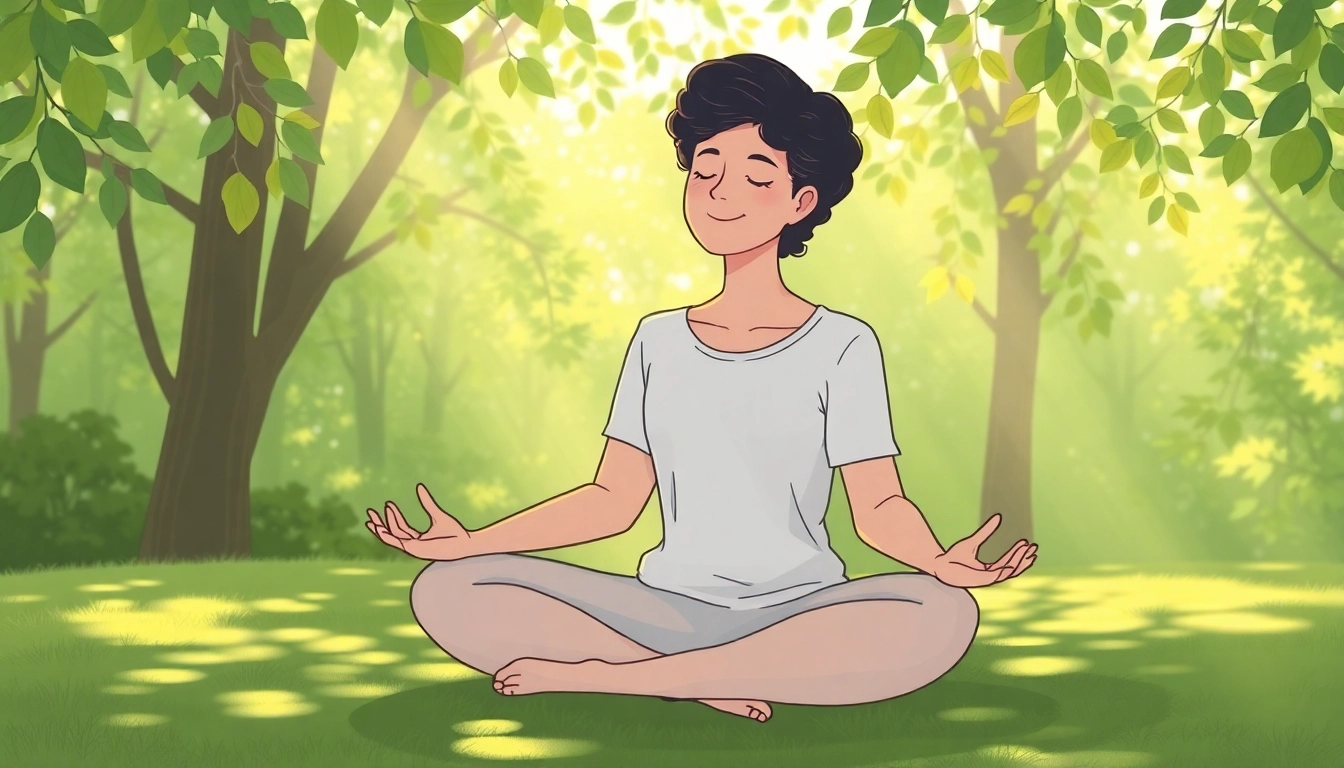
Mindfulness and meditation are powerful tools in managing anxiety symptoms. These practices encourage individuals to stay present and acknowledge their feelings without judgment. Numerous studies have shown that consistent mindfulness practice can lead to decreased anxiety and improved overall well-being.
Adopting Healthy Lifestyle Changes
Making healthy lifestyle changes can significantly reduce anxiety symptoms. Regular exercise, a balanced diet, sufficient sleep, and limited caffeine and alcohol intake all contribute to better mental health. Establishing a daily routine that includes time for relaxation and self-care can further bolster resilience against anxiety.
Utilizing Professional Help
Therapeutic approaches, such as cognitive behavioral therapy (CBT) or exposure therapy, can yield immense benefits for those struggling with anxiety symptoms. These methods equip individuals with coping strategies to manage their anxiety effectively, highlighting the importance of seeking professional help when needed.
Frequently Asked Questions about Anxiety Symptoms
What are the first signs of anxiety symptoms?
Early signs include increased worry, restlessness, sleep disturbances, and physical symptoms such as fast heartbeat. Awareness is key to early intervention.
Can anxiety symptoms be treated naturally?
Yes, natural treatments like mindfulness, yoga, and dietary changes can effectively reduce anxiety. Individual approaches vary, so consult a healthcare professional.
How long do anxiety symptoms typically last?
The duration of anxiety symptoms varies widely. For some, symptoms may last briefly, while for others, they can be ongoing. Professional assessment is recommended.
What role does exercise play in managing anxiety symptoms?
Exercise releases endorphins that improve mood and reduce stress. Regular physical activity is an effective way to manage anxiety symptoms and enhance overall well-being.
When should I see a doctor for anxiety symptoms?
Consult a doctor if anxiety symptoms persist, interfere with daily life, or worsen over time. Early intervention can lead to better outcomes.