
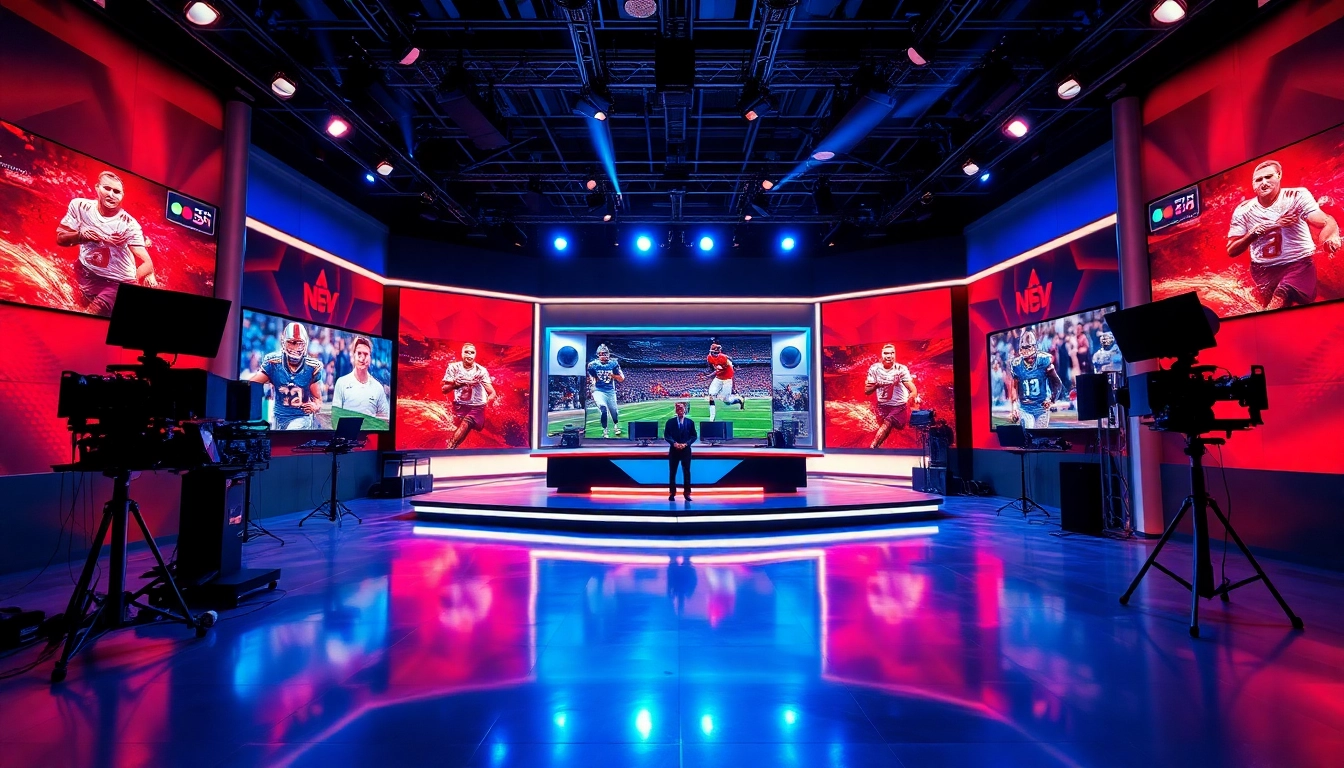
Understanding Sports Broadcasting
Definition and Importance of Sports Broadcasting
Sports broadcasting refers to the distribution of live or recorded sports events through various media channels, such as television, radio, or digital platforms. Its importance lies in creating a bridge between the games and enthusiasts, enhancing viewer engagement, and providing real-time updates and commentary. In an era where sports consumption has evolved dramatically, the role of Sports Broadcasting shapes not only how fans perceive the game but also influences the overall sports marketing environment by building brand loyalty and stimulating economic growth.
Key Components of Sports Broadcasting
Effective sports broadcasting comprises several key components, including:
- Production: This involves planning, filming, and editing the broadcast to ensure quality content delivery.
- Commentary: Engaging commentators provide insights and enhance viewer experience through their analysis and storytelling.
- Graphics and Animation: Visual elements like score updates, player statistics, and strategies enhance the audience’s understanding.
- Technology: Advanced broadcasting techniques, including the use of drones, virtual reality, and augmented reality, contribute to immersive viewing experiences.
Historical Evolution of Sports Broadcasting
The journey of sports broadcasting began over a century ago with radio broadcasts of collegiate events. The 1930s and 40s saw the surge in television broadcasts, helping popularize sports in homes across the globe. The introduction of cable networks in the 1980s expanded the range of sports coverage. Today, we are witnessing an even broader evolution with the rise of streaming platforms, social media broadcasts, and mobile applications, making sports more accessible than ever.
Trends Shaping the Future of Sports Broadcasting
Streaming Services and Digital Platforms
Streaming services have revolutionized sports broadcasting, pushing traditional cable providers to adapt to changing viewer preferences. Platforms like ESPN+, DAZN, and Amazon Prime Video offer exclusive sports content that traditional channels cannot match. This trend not only allows for on-demand viewing but also enhances viewer engagement through interactive features, such as live chats and real-time statistics.
Wearable Technology in Sports Broadcasting
Wearable technology is changing how athletes and teams approach performance analysis and health management. Data collected from wearables can be integrated into broadcasts to provide viewers with real-time athlete performance metrics, heart rates, and other insights. This data-driven approach adds an engaging layer for fans, who crave detailed performance analysis during broadcasts.
Augmented Reality Enhancements
Augmented reality (AR) is making its mark in sports broadcasting by providing viewers with immersive experiences. For instance, AR technology can be used to visualize player stats on the screen during live games or even recreate game scenarios for analysis. This dynamic integration captures audience attention while enhancing their understanding of game strategies and player movements.
Best Practices for Successful Sports Broadcasting
Engaging Audience Interaction Techniques
To maintain viewer interest, broadcasters should employ numerous engagement techniques. Using live polls, viewer call-ins, and Q&A sessions can facilitate audience interaction. Additionally, social media engagement plays a crucial role; encouraging fans to share their thoughts during broadcasts creates a community feel and enhances loyalty.
Utilizing Data Analytics for Viewer Insights
Data analytics has become an essential tool in sports broadcasting. By analyzing viewership statistics, broadcasters can gain insight into audience preferences, optimal broadcast times, and content types that resonate most. These insights allow for more targeted programming, ensuring that broadcasters meet audience demands effectively.
Ensuring High-Quality Production Standards
High-quality production standards remain paramount in sports broadcasting. This involves using top-tier equipment for filming and a skilled production team to ensure clean transitions, appealing graphics, and clear audio. A polished production not only enhances the viewing experience but also establishes credibility for the broadcasting entity.
Challenges in Sports Broadcasting Today
Adapting to Digital Disruption
The digital landscape is ever-evolving, and sports broadcasters must adapt swiftly to changes. With the rapid rise of digital platforms, traditional broadcasters face challenges in retaining viewership. Embracing digital strategies, such as creating engaging online content and optimizing for mobile viewing, is crucial for survival in this new era.
Managing Content Rights and Licensing Issues
Navigating content rights and licensing is a persistent challenge in sports broadcasting. As streaming services become more prevalent, rights holders have to balance traditional agreements with new digital partnerships. Clarity and flexibility in licensing agreements are vital to avoid disputes and ensure a broadened audience reach.
Maintaining Audience Engagement in a Saturated Market
With an influx of sports content across multiple platforms, maintaining audience engagement is increasingly challenging. Broadcasters need to differentiate themselves by offering unique perspectives, exclusive interviews, and compelling storytelling. Constant innovation in content format and presentation can keep viewers invested.
Measuring Success in Sports Broadcasting
Key Performance Indicators to Track
To assess the effectiveness of broadcasting strategies, several key performance indicators (KPIs) should be monitored. Metrics like viewership ratings, audience retention rates, and social media engagement levels provide valuable insights into the success of a broadcast and help shape future strategies.
Analyzing Viewer Engagement Metrics
Analyzing viewer engagement metrics involves looking beyond simple view counts. Broadcasters should evaluate metrics such as average watch time, audience demographic information, and peak viewership periods. These insights help tailor content to viewer preferences and enhance the overall broadcast experience.
The Role of Social Media in Sports Broadcasting
Social media can significantly amplify the reach of sports broadcasts. Engaging with fans on platforms like Twitter, Instagram, and Facebook allows broadcasters to create a two-way conversation that can enhance loyalty. Highlight clips, live-tweeting during events, and utilizing social media influencers are effective strategies for boosting engagement.
Frequently Asked Questions
What is sports broadcasting?
Sports broadcasting refers to the distribution of live or recorded sports events via media channels, including television and online platforms, engaging fans globally.
How has technology changed sports broadcasting?
Technology has transformed sports broadcasting through digital streaming, augmented reality, and data analytics, enhancing viewer engagement and content accessibility.
What are the challenges in sports broadcasting today?
Key challenges include adapting to digital disruption, managing content rights, and maintaining audience engagement in a highly saturated market.
How do broadcasters keep viewers engaged?
Broadcasters keep viewers engaged by using interactive techniques, leveraging social media, and analyzing viewer data to create relevant, high-quality content.
What metrics are important for measuring success in sports broadcasting?
Important metrics include viewership ratings, audience retention, engagement levels on social media, and average watch time, helping tailor future strategies.