Understanding Structural Steel Welding
Structural steel welding is a crucial aspect of modern construction, involving the fusion of metals to create strong, durable frameworks for buildings, bridges, and various infrastructures. As industries evolve, the demand for efficient and robust structural solutions continues to grow, making structural steel welding an indispensable skill. This article aims to delve deep into the intricacies of structural steel welding, covering its processes, safety practices, techniques, quality assurance, and evolving trends to equip professionals and enthusiasts with comprehensive insights.
What is Structural Steel Welding?
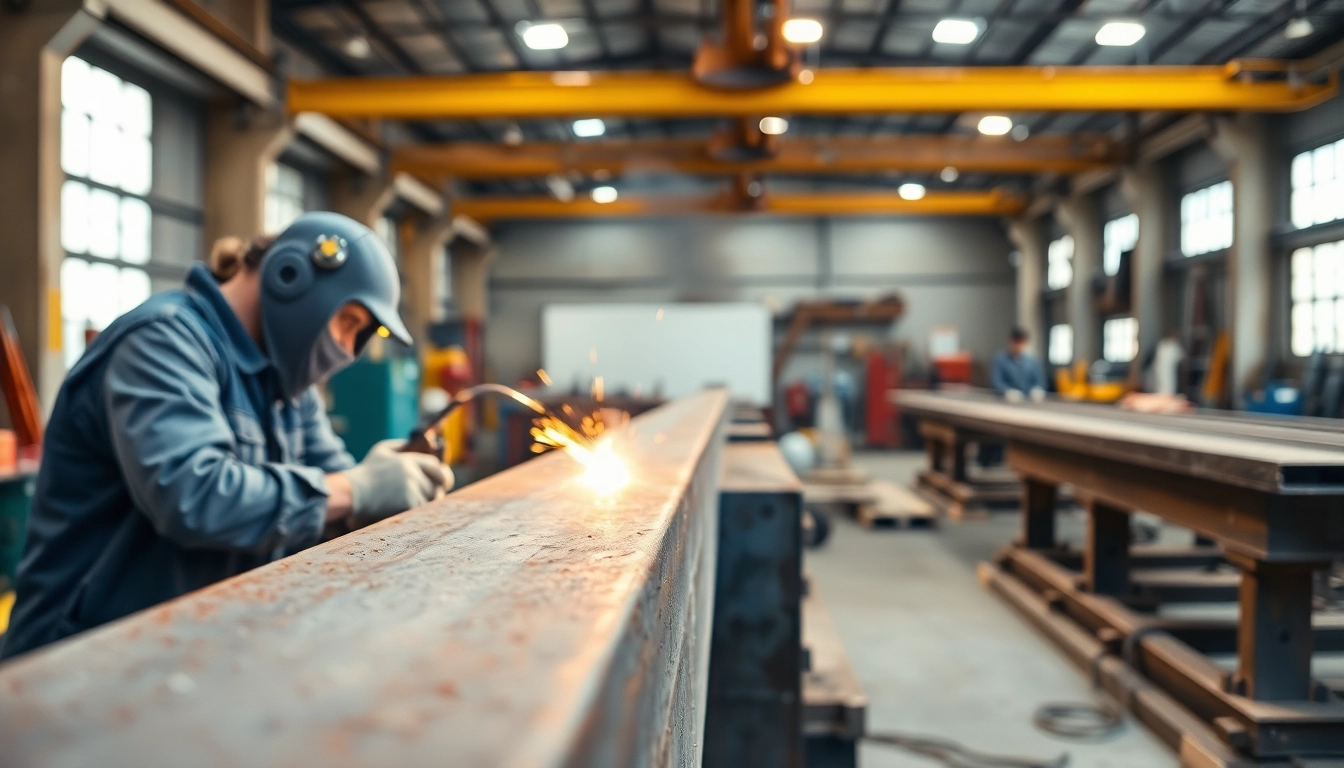
Structural steel welding refers to the process of joining sections of steel to form a structure that can withstand various types of loads, including tension, compression, and shear. This field relies on the application of heat, pressure, or a combination of both to fuse metal parts together, creating strong joints that are critical to the integrity of the overall structure. Commonly used in construction, manufacturing, and engineering, structural steel welding is essential for producing components that ensure safety, durability, and longevity.
Types of Structural Steel Welding Processes
There are several welding processes specifically used for structural steel, each with its unique advantages and applications:
- Shielded Metal Arc Welding (SMAW): Also known as stick welding, this process uses a flux-covered electrode to generate an arc between the electrode and the base metal. It's versatile and often used in outdoor environments.
- Gas Metal Arc Welding (GMAW): Commonly referred to as MIG welding, GMAW utilizes a continuous wire electrode and a shielding gas to protect the weld pool from contamination, making it suitable for various materials and thicknesses.
- Gas Tungsten Arc Welding (GTAW): Known as TIG welding, this method uses a non-consumable tungsten electrode and can produce high-quality welds with excellent control, making it ideal for thinner materials.
- Flux-Cored Arc Welding (FCAW): Similar to GMAW, this process uses a hollow electrode filled with flux. It's particularly effective for outdoor applications and thicker steel sections.
- Submerged Arc Welding (SAW): This automated welding process is often used in high-volume applications, where the arc is shielded by a blanket of flux granules, providing better weld quality.
Applications of Structural Steel Welding in Industry
Structural steel welding is utilized across various industries:
- Construction: Used in the fabrication of frames for commercial and residential buildings, as well as bridges, arenas, and other large structures.
- Manufacturing: Provides welded components for machinery, industrial plants, and equipment, ensuring robust construction that meets specific operational needs.
- Aerospace: Vital for creating airframe structures, ensuring high integrity and lightweight characteristics are met.
- Automotive: Employed in building chassis and frames, contributing to vehicle safety and performance.
Safety Practices in Structural Steel Welding
Ensuring safety in structural steel welding is paramount to protecting workers and maintaining a productive work environment. The risks associated with welding encompass exposure to harmful fumes, electrical hazards, and potential for burns or injuries due to equipment. Therefore, adhering to rigorous safety practices is essential.
Essential Safety Gear for Welders
Welders should always wear appropriate personal protective equipment (PPE) to prevent injuries and health issues. Essential gear includes:
- Welding helmet with appropriate darkening filter to protect against harmful UV rays and bright light.
- Respirators to filter out harmful fumes and particulates.
- Flame-resistant clothing to minimize burn risks.
- Gloves that provide both dexterity and heat resistance.
- Steel-toed boots to protect against falling or heavy equipment.
Common Hazards and How to Avoid Them
Welding presents several hazards that must be managed effectively:
- Fume Exposure: Welders can be exposed to harmful gases and particles. Using proper ventilation and respirators can mitigate these risks.
- Electric Shock: Implementing proper grounding, equipment maintenance, and following electrical safety protocols can help prevent accidents.
- Fire Hazards: Keeping flammable materials away from the welding area and having fire extinguishing equipment readily available are crucial.
Creating a Safe Welding Environment
A safe welding environment is vital to worker health and safety. Employers should:
- Provide ongoing safety training to personnel.
- Maintain equipment regularly and ensure proper functioning.
- Establish clear protocols for emergency situations, including evacuation routes and emergency contacts.
- Ensure an organized workspace free of clutter and hazards that could lead to accidents.
Techniques for Effective Structural Steel Welding
Mastering structural steel welding involves more than just technical skills; it requires an understanding of best practices, advanced techniques, and potential challenges. Learning these nuances can elevate the quality and durability of welded joints.
Preparing Steel for Welding: Best Practices
Proper preparation of steel is essential for achieving successful welds. Key steps include:
- Cleaning the Surface: Remove any rust, paint, oil, or contaminants from the metal surfaces to promote proper adhesion.
- Fit-Up: Ensure that metal pieces fit together correctly without gaps. Use clamps to hold pieces securely in place.
- Edge Preparation: Properly prepare the edges of steel plates by beveling or removing burrs to achieve an optimal weld joint.
Advanced Welding Techniques for Stronger Joints
To enhance the strength and quality of welds, welders should consider implementing advanced techniques such as:
- Preheat Treatment: Preheating steel can prevent cracking in thicker sections by reducing thermal stresses during welding.
- Interpass Temperature Control: Maintaining consistent temperatures between weld passes is critical for preventing metallurgical defects.
- Post-Weld Heat Treatment: This can relieve stresses and improve the mechanical properties of welded joints.
Issues to Watch Out for During Welds
Understanding common welding issues helps prevent problems that could compromise weld quality:
- Inconsistent Weld Penetration: Ensure that the welding parameters (speed, voltage, and amperage) are correctly set to achieve uniform penetration.
- Weld Cracking: Monitor the cooling rates and use correct filler materials to reduce the susceptibility to cracking.
- Porosity: Control welding speed and shielding gas flow to minimize the formation of gas pockets within the weld bead.
Quality Assurance in Structural Steel Welding
Quality assurance is integral to structural steel welding, as it guarantees that welds meet the required standards and specifications. Implementing effective quality assurance measures can help prevent costly failures and ensure public safety.
Testing Welds: Methods and Standards
Several methods are used for testing welds, each with its own set of standards:
- Visual Inspection: A fundamental method that provides immediate feedback on the appearance and geometry of the weld.
- Non-Destructive Testing (NDT): Techniques such as ultrasonic testing, radiographic testing, and magnetic particle inspection are commonly used to detect internal defects without damaging the weld.
- Destructive Testing: This involves evaluating the mechanical properties of weld samples by subjecting them to stress until failure occurs, allowing the assessment of strength and ductility.
Maintaining Quality Control in Welding Projects
Effective quality control measures include:
- Establishing Guidelines: Develop standardized procedures and guidelines for welding operations to ensure consistency and quality.
- Training and Certification: Provide comprehensive training for welders and ensure they are certified to perform specific welding tasks.
- Documentation: Maintain records of welding processes, inspections, and any corrective actions taken to track quality throughout the project lifecycle.
Evaluating Weld Integrity: Inspections and Standards
Evaluating weld integrity is critical for ensuring safety and reliability. Key standards include:
- American Welding Society (AWS) Standards: These guidelines comprehensively cover welding processes, materials, and personnel qualifications.
- American Society for Testing and Materials (ASTM) Standards: These provide specifications for different materials and testing methods used in welding.
Evolving Trends in Structural Steel Welding
The field of structural steel welding is continuously evolving, driven by advancements in technology, changes in industry demands, and new materials. Staying informed about these trends can empower welders and organizations to enhance their practices and adopt innovative approaches.
New Technologies in Welding Equipment
Innovative welding technologies are transforming how welding is performed, such as:
- Robotic Welding: Automated systems offer precision, speed, and the ability to perform repeatable tasks, significantly improving efficiency and reducing human error.
- Advanced Power Sources: Developments in inverter technology allow for better control over welding parameters and more versatility in applications.
- Real-time Monitoring Systems: Integration of smart technology in welding equipment enables monitoring of parameters and quality assurance, facilitating quicker adjustments.
Impact of Automation on Structural Steel Welding
Automation is a game-changer for welding industries, offering numerous benefits:
- Increased Production Rates: Automated welding processes can complete tasks faster than manual methods, boosting overall productivity.
- Enhanced Quality Consistency: Automation reduces variability, leading to higher quality and consistency in welds.
- Worker Safety: By automating hazardous tasks, the risk to human workers decreases, promoting a safer work environment.
Future Prospects in Structural Steel Applications
The future of structural steel welding looks promising, with potential advancements including:
- Material Innovations: The introduction of new steel alloys with enhanced properties can expand applications and improve overall performance.
- Integration with Sustainability Efforts: The industry is moving towards more sustainable practices, including recycling steel and reducing energy consumption during the welding process.
- Digitalization: Increased adoption of digital tools for project management and workflow optimization to enhance efficiency and collaboration among teams.