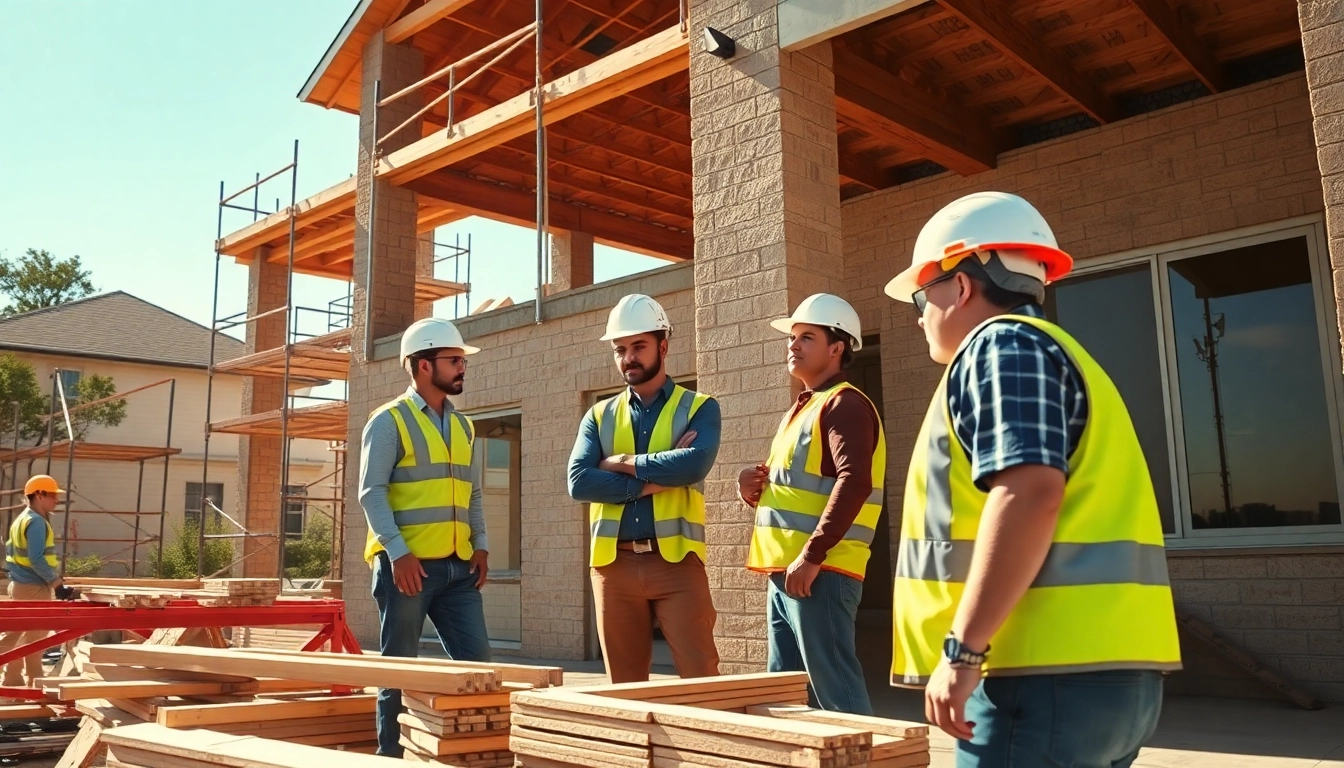
The Evolving Landscape of Austin Construction
The construction industry in Austin is experiencing dynamic changes driven by numerous factors such as economic growth, technological advancements, and demographic shifts. As one of the fastest-growing cities in the United States, Austin's construction sector is booming with a vibrant mix of residential, commercial, and infrastructure projects. This growth presents numerous opportunities alongside significant challenges, creating a need for industry stakeholders to adapt and innovate continually. In this evolving landscape, professionals and interested parties alike are increasingly seeking information on how to navigate the complexities of Austin construction, focusing on current trends, regulatory considerations, and the role of technology.
Current Trends in Austin Construction
As Austin continues to expand, several trends have emerged in the construction sphere, highlighting the industry's response to local demands and broader shifts in building practices:
- Sustainable Building Practices: There is a growing emphasis on sustainability driven by community demand for environmentally responsible construction. Contractors are increasingly adopting green building materials and implementing energy-efficient designs to reduce the carbon footprint of new developments.
- Urban Multiplier Effects: The trend towards urban living has prompted the development of mixed-use buildings that combine residential, commercial, and recreational spaces. This multifaceted approach not only optimizes land use but also fosters community engagement.
- Smart Technology Integration: The rise of smart home technology is influencing construction projects, with builders incorporating features such as automated systems and IoT devices into new homes and commercial buildings. This trend addresses consumer demand for convenience and efficiency in daily life.
- Modular Construction: The adoption of modular construction is becoming a more prevalent method for delivering projects faster and more efficiently. Factory-built modules are constructed in controlled environments, reducing waste and speeding up on-site assembly.
- Diversity and Inclusion: The industry's focus is shifting towards promoting diversity and inclusion within construction teams. This change not only builds a more equitable workforce but also enhances creativity and innovation in project execution.
Key Challenges Facing the Industry
Despite the positive trends, the Austin construction industry faces significant challenges that require strategic approaches:
- Labor Shortages: The construction sector is grappling with a skilled labor shortage, exacerbated by an aging workforce and the limited number of new entrants into the trades. Companies must explore effective recruitment strategies, including partnerships with vocational schools and organized apprenticeship programs.
- Rising Material Costs: Fluctuating prices for raw materials have made budgeting more unpredictable. Contractors need to implement smarter purchasing strategies and build cost contingencies into their project plans to manage this challenge effectively.
- Regulatory Compliance: Navigating the complex web of local building codes, safety regulations, and environmental policies can be overwhelming. Staying compliant is essential for avoiding delays and infringements, which requires ongoing education and investment in compliance resources.
- Environmental Impact: As environmental scrutiny grows, construction firms must be prepared to address concerns related to waste management, site runoff, and habitat preservation. This involves not only adherence to regulations but also proactive community engagement and transparency.
- Technological Adaptation: While technology offers numerous benefits, it also brings challenges in terms of implementation and training. Companies need to ensure their teams are well-equipped with the right tools and knowledge to leverage technology effectively.
Future-Proofing Construction Projects
To thrive in the evolving construction landscape, industry professionals must adopt future-proofing strategies that emphasize adaptability and resilience:
- Investment in Training: Upskilling employees is vital for maintaining a competitive edge. Training initiatives focused on new technologies, sustainable practices, and project management will empower teams and enhance project outcomes.
- Collaborative Partnerships: Building strong relationships with suppliers, subcontractors, and community stakeholders fosters collaboration and innovation. Partnership strategies can provide access to shared resources and expertise, benefiting all parties involved.
- Agile Project Management: Embracing agile methodologies can allow teams to adapt swiftly to changes in project scopes or client needs. This approach focuses on iterative planning, regular check-ins, and continuous feedback loops.
- Data Utilization: Leveraging data analytics can improve decision-making processes. From project modeling to workforce management, data can yield insights that optimize various aspects of construction projects.
Understanding Regulations Impacting Austin Construction
Permits and Zoning Laws
Understanding the regulatory framework guiding construction in Austin is crucial for compliance and project success. Local governance enforces a range of zoning laws and permits that dictate what can be built, where, and how. It is essential for contractors and project managers to familiarize themselves with these regulations:
- Zoning Regulations: Zoning laws in Austin determine land usage, density, and setbacks for various types of development. Understanding these laws helps ensure that projects conform to local guidelines and community standards.
- Permitting Process: Obtaining the necessary building permits can be a time-consuming process requiring detailed documentation and plans. Engaging with local planning departments early in the project lifecycle can streamline this process and mitigate delays.
- Inspections: Regular inspections are mandated during construction to ensure compliance with safety and building codes. Scheduling inspections at the right times is crucial for avoiding setbacks that can occur due to compliance failures.
Safety Standards in Construction
Ensuring the safety of construction sites is a top priority, not only for the health of workers but also for minimizing liability risks for construction firms. Adherence to safety standards is governed by local, state, and federal regulations, including:
- OSHA Regulations: Occupational Safety and Health Administration (OSHA) regulations dictate safety standards that must be followed on construction sites. These regulations cover a broad range of topics, including hazard communication, personal protective equipment (PPE), and fall protection.
- Safety Training Programs: Regular safety training sessions help workers stay informed about current regulations and best practices. A robust safety culture promotes awareness and accountability among all project members.
- Emergency Preparedness: Construction sites must have emergency response protocols in place. Preparing for potential accidents or natural disasters through drills and information dissemination can save lives and enhance site safety.
Environmental Considerations
Environmental stewardship is a growing priority in the construction industry, and Austin's regulatory framework has seen increased focus on minimizing ecological impacts:
- Sustainability Standards: Builders are often required to meet specific sustainability benchmarks when it comes to energy and water usage. Compliance with these standards can lead to long-term cost savings and enhanced marketability.
- Stormwater Management: Effective stormwater management systems are essential to prevent site runoff and protect local waterways. Implementing best management practices (BMPs) can mitigate the adverse effects of construction on the environment.
- Environmental Impact Assessments: For larger projects, conducting an environmental impact assessment (EIA) may be mandatory. This process evaluates the potential ecological effects of a project and outlines measures to mitigate negative impacts.
Technology's Role in Modern Austin Construction
Innovative Building Materials
The evolution of building materials is one of the most significant changes in the construction industry. Today's materials not only meet structural requirements but also contribute to sustainability and efficiency:
- Recycled Materials: Utilizing recycled materials not only helps reduce waste but also decreases the carbon footprint associated with manufacturing new materials. Reclaimed wood, recycled steel, and vintage bricks are increasingly popular choices.
- Smart Materials: The incorporation of smart materials such as self-healing concrete, thermochromic glass, and energy-efficient insulation is paving the way for innovative building practices that are both durable and efficient.
- 3D Printing: Emerging technologies such as 3D printing are transforming traditional construction processes. Be it for modular homes or architectural elements, 3D printing allows for rapid prototyping and customized design options.
Construction Software and Project Management
Project management tools and software have changed how construction projects are executed, allowing for greater efficiency and collaboration:
- Building Information Modeling (BIM): BIM software is revolutionizing design and construction processes by creating a 3D digital representation of a building. This technology enhances collaboration, minimizes errors, and improves project predictability.
- Cloud-Based Solutions: Cloud technology enables real-time data sharing, allowing teams to work collaboratively regardless of their physical location. This capability is essential for ensuring responsiveness to changes and challenges as they arise.
- Project Management Apps: Mobile applications are making it easier for project managers to track progress, communicate with teams, and manage timelines from job sites. These tools promote transparency and accountability throughout the project lifecycle.
Sustainability Through Technology
Technology is a major driver of sustainability in construction, allowing for more eco-friendly practices and solutions:
- Energy Management Systems: Integrating energy management systems into buildings helps monitor and optimize energy consumption. Real-time data facilitates informed decisions that enhance energy efficiency and reduce operational costs.
- Green Certifications: Software tools that help track compliance with green building standards such as LEED (Leadership in Energy and Environmental Design) are increasingly valuable. They assist builders in achieving recognition for their sustainability efforts.
- Smart Waste Management: Technology also plays a role in waste management initiatives that help construction sites recycle materials and reduce landfill contributions. Data-driven approaches can optimize waste logistic systems and mitigate environmental impact.
Key Players in Austin Construction
General Contractors and Their Responsibilities
In the intricate web of construction project execution, general contractors hold pivotal roles. Their responsibilities extend beyond simple project oversight; they coordinate diverse resources and stakeholders in a complex environment:
- Project Planning: General contractors spearhead project planning, working closely with clients to understand their vision, establish timelines, and outline budgets.
- Resource Management: They manage labor, materials, and equipment requisition, ensuring all components align for smooth operations. Effective resource management minimizes downtime and enhances productivity.
- Quality Control: Monitoring work quality is a core responsibility of general contractors. Implementing regular inspections and adhering to industry standards ensures that projects are delivered to the specifications agreed upon with clients.
Subcontractor Roles and Integration
Subcontractors contribute specialized skills and labor essential for fulfilling specific project tasks. Their success is often rooted in effective integration with the general contracting team:
- Specialized Expertise: Subcontractors are typically engaged for specialized tasks such as electrical work, plumbing, and HVAC installation. Their deep expertise allows general contractors to leverage skills that enhance project quality.
- Coordination and Collaboration: Effective communication and collaboration between general contractors and subcontractors are paramount for seamless project execution. Regular updates and meetings foster teamwork and prevent misunderstandings.
- Performance Management: General contractors must monitor subcontractor performance through established metrics and benchmarks. This oversight ensures quality as well as adherence to project timelines and budgets.
Collaboration with Architects and Engineers
Collaboration among contractors, architects, and engineers is critical for ensuring project success. Effective partnerships streamline processes and enhance creativity in design:
- Design and Feasibility Assessments: Early involvement of builders in the design phase ensures that architectural plans align with construction capabilities and budgetary constraints.
- Problem Solving: Regular collaborative sessions that focus on identifying and solving potential issues help preempt setbacks and keep projects on track.
- Adaptive Design Modifications: As projects progress, open communication allows for necessary design modifications to address challenges while still capturing the original vision.
Successful Project Management in Austin Construction
Planning and Budgeting for Success
Effective planning and budgeting are foundational elements of successful construction projects. Ensuring that projects adhere to timelines and financial constraints requires strategic foresight and diligent management:
- Comprehensive Project Plans: Establishing comprehensive project plans that include timelines, milestones, and deliverables is essential. Clear documentation helps ensure that all team members are aligned and accountable.
- Financial Forecasting: Implementing robust financial forecasting processes helps stakeholders anticipate budgetary needs and accommodate potential fluctuations in materials and labor costs.
- Resource Allocation: Ensuring that resources are allocated effectively is crucial for optimizing productivity levels. Regular assessments of allocations help teams adjust as necessary throughout the project lifecycle.
Communication Strategies for Teams
Clear and consistent communication is vital for successful project execution, ensuring that all stakeholders remain informed and engaged:
- Regular Meetings: Scheduling regular meetings keeps teams updated on project status, addresses challenges, and fosters an environment of collaboration and support.
- Utilizing Technology: Leveraging communication tools for real-time updates can enhance transparency and keep everyone on the same page, especially when teams are spread across different job sites.
- Crisis Communication Plans: Having established crisis communication protocols in place allows teams to respond promptly and effectively to unforeseeable challenges, maintaining project momentum.
Measuring Performance and Outcomes
To ensure project success and accountability, measuring performance and reviewing outcomes is essential:
- Performance Metrics: Defining key performance indicators (KPIs) helps track project progress against defined benchmarks. Metrics might include budget adherence, timeline compliance, and quality assessments.
- Post-Project Evaluations: Conducting evaluations after project completion helps identify successes and areas for improvement. Lessons learned can guide future initiatives and enhance overall team effectiveness.
- Stakeholder Feedback: Gathering feedback from all stakeholders, including clients, workers, and subcontractors, provides valuable insights into the project experience, fostering improvement and innovation in practices.