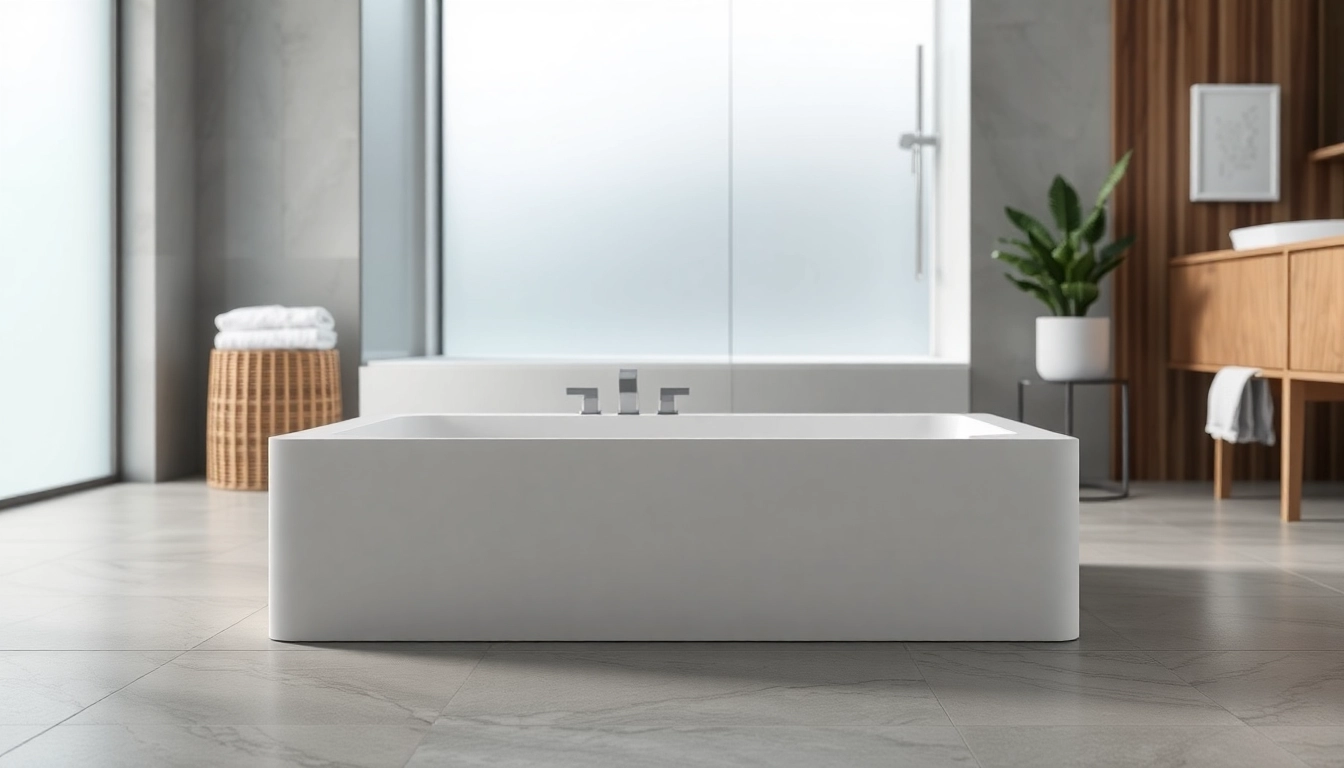
1. Understanding the Importance of a Shower Base
In the world of bathroom design, the shower base serves as an essential element. It is not only pivotal in terms of functionality but also significantly impacts the overall aesthetics of your bathroom. Understanding the importance of selecting the right shower base can enhance both your bathing experience and the durability of your space.
1.1 Key Functions of a Shower Base
The primary function of a shower base is to provide a waterproof, durable surface for showering. It acts as a barrier to prevent water from seeping into the floor, which can lead to mold and structural damage. Additionally, shower bases are designed to facilitate proper drainage, ensuring that water flows away from the shower area efficiently. This functionality contributes to the safety and hygiene of your bathroom environment.
Moreover, a shower base can serve as a design feature within your bathroom. Available in various shapes, sizes, and materials, it can complement your existing decor while providing a seamless transition from your bathroom floor to the shower area. This brings both practicality and beauty to your bathroom sanctuary.
1.2 Selecting the Right Material for Your Shower Base
Choosing the right material for your shower base involves evaluating factors such as durability, maintenance, and design preferences. Common materials include acrylic, fiberglass, tile, and stone, each offering unique benefits:
- Acrylic: Lightweight and easy to maintain, acrylic shower bases resist cracks and stains.
- Fiberglass: Known for its affordability, fiberglass offers a good balance of durability and comfort.
- Tile: Highly customizable, tiled shower bases allow for personalized designs but require intensive maintenance.
- Stone: Luxurious and natural, stone shower bases provide durability and an upscale look but can be pricey.
Ultimately, the best material will align with your style, budget, and how much maintenance you’re willing to undertake.
1.3 Common Myths About Shower Bases
When discussing shower bases, many myths can skew perspective. One prevalent myth is that all shower bases are equally waterproof. In truth, the material and installation quality can significantly influence water resistance. Another myth is that more expensive shower bases always mean better quality. However, various affordable options can still provide excellent durability and aesthetic appeal.
By dispelling these myths, homeowners can make more informed choices regarding shower bases and what will work best for their unique needs.
2. Types of Shower Bases Available
When exploring the types of shower bases available, you will find an enriching variety to suit different tastes and requirements. Understanding the distinctions between these options is crucial for making an informed decision that aligns with your bathroom's overall design and functionality.
2.1 Standard Shower Bases vs. Custom Designs
Standard shower bases are pre-manufactured and available in specific sizes and shapes, typically making them more affordable and easier to install. However, they may not perfectly fit every bathroom's dimensions or design aesthetic. On the other hand, custom shower bases are tailor-made to meet specific requirements, allowing for unique shapes, sizes, and designs. While custom options can be more expensive, they provide the advantage of full integration within your existing layout.
2.2 Comparing Acrylic and Fiberglass Shower Bases
Acrylic and fiberglass shower bases are two of the most popular choices due to their varying benefits. Acrylic is known for its durability, vibrant color options, and minimal upkeep. It resists fading and staining, making it an excellent long-term option. Fiberglass, although somewhat less robust, is lightweight and can offer a softer, warmer feel underfoot. Both materials can come in various designs, but homeowners should weigh factors like cost, longevity, and personal preference when choosing between them.
2.3 Innovative Options: Stone and Composite Shower Bases
For those aiming for a luxurious finish, stone shower bases are hard to beat. In materials like granite or marble, stone provides unparalleled beauty and elegance. However, they may require more maintenance to prevent staining and ensure cleanliness. Composite bases, which blend different materials for enhanced strength and versatility, are gaining popularity for being lightweight yet durable, combining aesthetics with functionality.
3. Installation Tips for Your Shower Base
Whether you're embarking on a DIY renovation or hiring a professional, understanding the installation process for your shower base is vital for a successful outcome. A well-installed shower base not only enhances aesthetics but also ensures water protection.
3.1 Preparing Your Bathroom Space
Before installing a shower base, it’s critical to prepare your bathroom space adequately. Begin by ensuring that all plumbing is intact, and that the subfloor is level. A sloped floor aids drainage, so check that the subfloor directs water toward the drain location. Consider waterproofing the area before installation to further prevent water exposure to underlying structures.
3.2 Step-by-Step Installation Guide
Here is a general step-by-step guide to installing your shower base:
- Measure the area where the shower base will be installed to ensure a proper fit.
- Remove the existing floor material and clean the subfloor.
- Install the drain according to the manufacturer's instructions.
- Place the shower base in position, ensuring it fits snugly against walls.
- Check for level and make adjustments as necessary.
- Secure the base in place if your model requires adhesives or screws.
- Finish by sealing edges and ensuring that water can drain properly.
3.3 Hiring a Professional vs. DIY Installation
Deciding between hiring a professional and attempting a DIY installation depends on your skill level, comfort with plumbing, and personal preferences. Hiring a professional ensures expertise and compliance with local building codes, potentially saving you from future problems. Conversely, if you’re handy and enjoy DIY projects, installing your own shower base can be a rewarding accomplishment. Weigh the costs and benefits to make the best choice for your shower renovation.
4. Maintenance and Cleaning of Your Shower Base
The longevity and appearance of your shower base are heavily influenced by the maintenance and cleaning practices you adopt. Establishing a regular maintenance routine can help avoid costly repairs and maintain the beauty of your shower area.
4.1 Regular Cleaning Routines
Cleaning your shower base regularly not only keeps it looking good but also prevents the buildup of soap scum and mold. Consider the following routine:
- Use a non-abrasive cleaner suited to your shower base material.
- Wipe down the surface after each use to minimize soap scum and water spots.
- Schedule a deep clean at least once a month to address hard-to-reach areas and grime buildup.
By incorporating these habits, you can keep your shower base in pristine condition.
4.2 Dealing with Common Issues and Repairs
Even with regular maintenance, issues may arise, such as cracks, scratches, or leaks. Address these problems promptly to prevent escalating damages:
- Small cracks can often be repaired with a suitable epoxy or resin.
- Scratches can be buffed out with fine sandpaper, followed by polishing.
- Leaks typically indicate a problem with the plumbing or sealant; addressing these immediately is crucial.
4.3 Best Products for Maintaining Your Shower Base
Investing in quality cleaning solutions can enhance maintenance efforts. Look for products designed specifically for your shower base material, such as:
- Non-abrasive cleaners for acrylic or fiberglass.
- Specialty products for stone that prevent staining.
- Sealants to protect the surface from water damage.
Utilizing the right products can significantly enhance your shower base's longevity and appearance.
5. Frequently Asked Questions About Shower Bases
5.1 What is a shower base and why is it important?
A shower base is the foundation of your shower that directs water flow, prevents leaks, and enhances safety. It is essential for avoiding water damage and maintains a clean, hygienic bathroom environment.
5.2 How do I choose the right shower base for my bathroom?
Consider factors like size, shape, material, durability, and design preference. Analyze your bathroom layout and personal style to select a shower base that complements your space.
5.3 Can I install my shower base myself?
Yes, if you're comfortable with DIY projects. However, ensure you follow instructions closely and understand plumbing basics. Hiring a professional can provide peace of mind and ensure proper installation.
5.4 What materials are best for a shower base?
Acrylic, fiberglass, tile, and stone are popular choices. Each material offers unique benefits, so consider aesthetics, durability, and maintenance when making your decision.
5.5 How can I maintain my shower base?
Regularly clean the base using non-abrasive cleaners and implement a maintenance routine to prevent buildup and damage. Consider products tailored to your base material for optimal care.