Understanding Garage Floors and Their Importance
The garage is often referred to as the unsung hero of the home. It provides essential storage, serves as a workspace, and sometimes even doubles as a recreational area. One critical element within the garage is the floor, which can significantly impact functionality, aesthetics, and maintenance efforts. Selecting the right garage floors is vital, as it lays the foundation for the overall environment.
What Are Garage Floors?
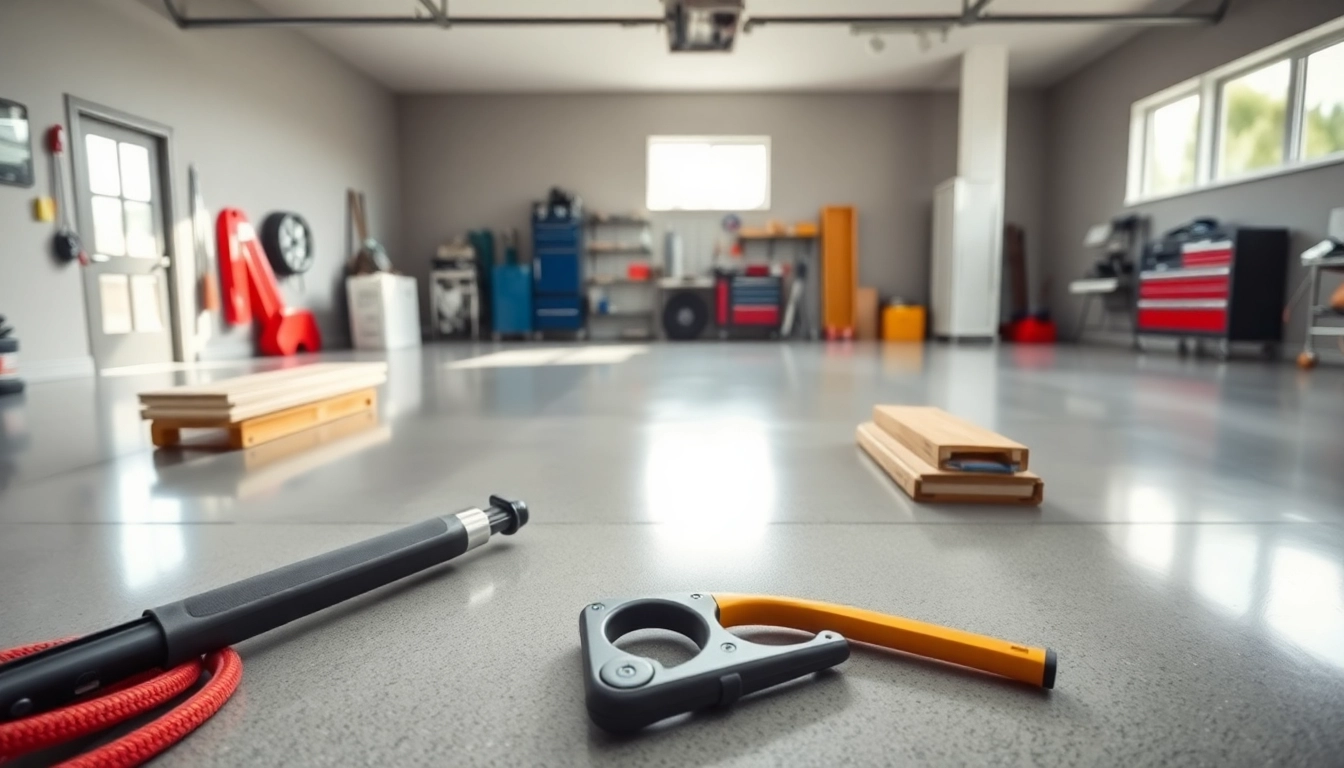
Garage floors are the surfaces found within residential garages. They can be made from various materials, each with its unique characteristics and benefits. Typically, garage floors are designed to withstand heavy loads, resist stains, and cope with various environmental factors, from chemicals to moisture. The selection of materials often depends on the desired functionality, budget, and aesthetic appeal of the space.
Why Choose Quality Garage Floors?
Investing in high-quality garage floors can lead to numerous benefits. First and foremost, durable surfaces enhance safety, minimizing the chances of slips and falls. Quality flooring also improves the overall aesthetic of your garage, making it a more inviting space. Additionally, good garage floors require less frequent maintenance, which saves time and effort in the long run. The long-term cost savings and enhanced property value also justify the initial investment.
Common Types of Garage Floors
There are several common types of garage floors that homeowners can consider:
- Concrete: The most common choice, known for its durability and strength.
- Epoxy Coatings: A popular option for those looking to add color and protection to concrete surfaces.
- Tiles: Options like PVC or ceramic tiles offer quick installation and aesthetic variety.
- Rubber Flooring: Ideal for high-impact areas, providing cushioning and sound absorption.
Key Features of Durable Garage Floors
Surface Materials and Their Benefits
When it comes to selecting materials for garage floors, durability and functionality are critical. Concrete, while basic, can be enhanced with finishes like epoxy to improve resistance to spills and chemicals. Epoxy coatings also provide a non-slip surface that is easy to clean. Tiles can offer design versatility and are generally easier to replace if damaged. Rubber flooring provides a comfortable walking surface that can endure heavy equipment and automotive traffic.
Resistance to Stains and Chemicals
Stains and spills are commonplace in garages, given their usage for automotive work and storage of various items. High-quality garage floors are designed to resist spills from oil, grease, and other chemicals, preventing permanent stains and reducing maintenance work. Garage floors with epoxy coatings excel in this aspect, offering a seamless, non-porous surface that is easy to clean. Understanding the potential for spills is crucial in choosing the right flooring material.
Maintenance Requirements for Longevity
Maintenance is essential to prolonging the life of your garage floors. Regular cleaning, sealing, and immediate attention to spills contribute to the durability of the floor. Concrete floors may require resealing every few years, while tile floors need to be checked for cracked grout that can allow moisture seepage. Establishing a simple maintenance routine will ensure that your garage floors continue to perform well under the demands of everyday use.
Choosing the Right Garage Floors for Your Needs
Factors to Consider When Selecting Garage Floors
Selecting the right garage floors involves considering various factors, including usage, climate, and budget. For example, those using their garage as a workshop might prioritize durability and resistance to chemicals. In contrast, homeowners wanting a clean, aesthetic space might focus on design elements. Additionally, factors like climate (moisture levels and temperatures) will affect floor selections due to potential warping or water damage.
Comparing Costs of Different Garage Floors
The cost of garage floors can vary immensely depending on the material chosen. Concrete remains the most budget-friendly option, while high-end epoxy coatings, tiles, or rubber flooring can require a significant investment. It’s essential to analyze not just the upfront costs but also the long-term benefits associated with each type, such as maintenance costs, durability, and how they maintain their appearance over time.
DIY vs Professional Installation
Installation of garage floors can be tackled as a DIY project or handled by professionals. DIY can save on labor costs; however, proper skill and tools are required to achieve a quality finish. Mistakes during installation can lead to complications such as uneven surfaces or poor adhesion. On the other hand, hiring professionals ensures that installation adheres to high standards, particularly for complex materials like epoxy.
Practical Tips for Installing Garage Floors
Preparation Steps Prior to Installation
Proper preparation is essential for a successful garage floor installation. Start with clearing the garage space, ensuring all items are removed. Next, address any existing damage to the surface, such as cracks or holes, as these can affect the installation of new flooring. Cleaning the floor thoroughly to remove any grease or dirt will help with adhesion, especially if using epoxy or adhesive tiles.
Choosing the Right Adhesives and Materials
For materials requiring adhesives, selecting the proper type is crucial. Different adhesives work best with specific surfaces, so ensure compatibility with your chosen flooring material. For instance, epoxy adhesives provide strong bonding for both concrete floors and epoxy coatings. Always follow manufacturer instructions regarding curing times and application methods for the best results.
Common Installation Mistakes to Avoid
Installation requires precision and attention to detail. Common mistakes include improper surface preparation, selecting incorrect adhesives, and failing to acclimate materials to temperature extremes. Avoiding these mistakes can save time and money. It’s also wise to consult with professionals or thorough instructional materials when undertaking installations to ensure a successful outcome.
Maximizing the Lifespan of Your Garage Floors
Regular Maintenance Checklist
Maintaining garage floors involves a routine that should include regular sweeping to remove debris and spills, damp mopping with appropriate cleaning solutions, and assessing for any signs of wear or damage. During maintenance checks, look for cracks, chips, or stains that might require immediate attention. Staying ahead of minor repairs can significantly extend the floor's overall life.
Repairing Minor Damages
Even with proper maintenance, damage can occur. Simple repairs like filling small cracks with concrete filler or resealing chipped areas with epoxy can often be done by homeowners. For significant damage, seeking professional help is advisable to restore the integrity of the floor. Acting quickly to repair issues prevents them from escalating into more extensive damage that could require costly replacements.
Upgrading Your Garage Floors Over Time
As needs or aesthetics evolve, upgrading your garage floors can transform the space. Over time, you may want to update coatings, switch materials for better functionality, or simply refresh the look of your garage. Seasonal check-ups can help you gauge what upgrades may be necessary based on wear patterns, utility, or changes in style preferences.
FAQs About Garage Floors
What is the best material for garage floors?
The best material depends on your needs; however, epoxy-coated concrete is favored for its durability and aesthetic appeal.
How often should I clean my garage floors?
Regular cleaning is ideal, but a thorough cleaning every month and checking for stains or damages is generally sufficient.
Can I install garage floors myself?
Yes, DIY installation is possible, especially with simpler materials, but a professional installation ensures higher quality results.
How do I prevent moisture damage to garage floors?
Proper sealing, ventilation, and using moisture-resistant materials can help mitigate moisture damage in garages.
What are common signs my garage floor needs repairs?
Look for cracks, stains, or uneven surfaces. If water pools or seeps through, that signals a need for repair or maintenance.