
Depression is a common mental health condition that affects millions of adults worldwide. It goes beyond feeling sad occasionally and can significantly impact daily life, relationships, and overall well-being. Understanding Depression symptoms is crucial for early recognition and seeking help, which can lead to better recovery and improved quality of life.
What Is Depression?
Depression is more than just a temporary mood swing. It is a mental health disorder characterized by persistent feelings of sadness, loss of interest or pleasure in activities, and changes in physical and emotional health. Depression can interfere with work, school, relationships, and daily responsibilities.
Adults experiencing depression may notice changes in their emotions, behavior, thinking patterns, and even physical health. Recognizing these depression symptoms early can make a significant difference in managing the condition effectively.
Common Depression Symptoms in Adults
Depression can present in various ways, and symptoms may differ from person to person. However, some of the most common depression symptoms include:
Emotional Symptoms
- Persistent sadness or emptiness that lasts for weeks
- Feelings of hopelessness or helplessness
- Increased irritability, frustration, or anger over minor issues
- Loss of interest in hobbies, social activities, or relationships
- Difficulty experiencing pleasure or joy
Cognitive Symptoms
- Trouble concentrating, remembering details, or making decisions
- Negative thinking patterns and self-criticism
- Feeling guilty or worthless without a clear reason
- Thoughts of death or suicide
Physical Symptoms
- Changes in appetite or significant weight loss/gain
- Trouble sleeping (insomnia) or sleeping too much
- Fatigue or low energy levels
- Unexplained aches, pains, or digestive issues
- Slowed movements or speech
Behavioral Symptoms
- Withdrawal from social interactions
- Reduced productivity at work or school
- Neglecting responsibilities at home
- Increased use of alcohol or drugs as a coping mechanism
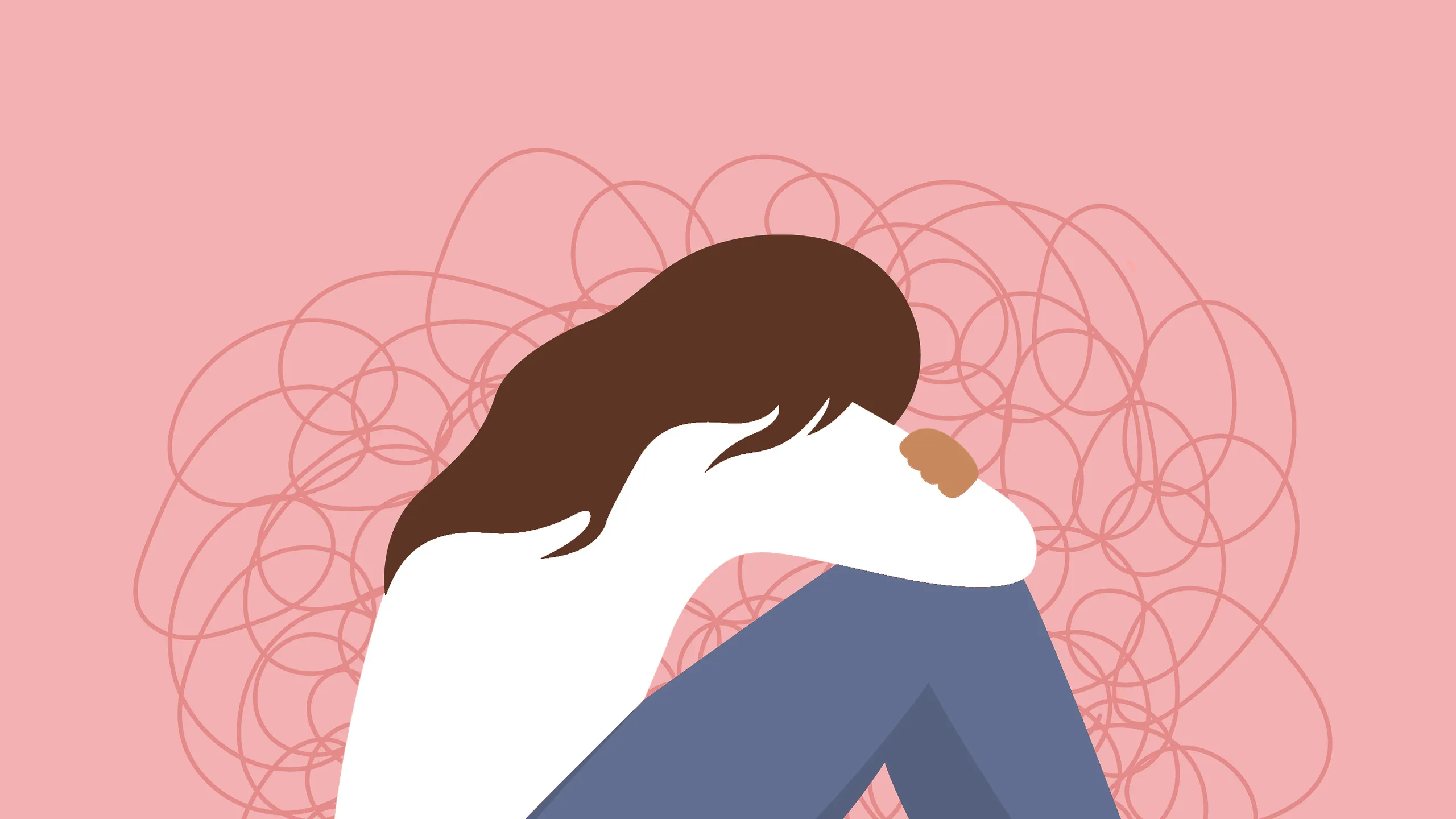
Real-Life Examples of Depression Symptoms
Consider a 35-year-old professional named Sarah. Over a few months, she began skipping work, lost interest in her favorite hobbies like painting, and felt constantly tired. She started avoiding friends and family, believing that nobody would understand her struggles. Sarah’s situation illustrates how depression symptoms can affect both emotional and daily functioning, signaling the need for support and treatment.
Factors That Contribute to Depression
Depression does not have a single cause. It often results from a combination of biological, psychological, and environmental factors. Understanding these can help in identifying and managing symptoms.
- Biological factors: Genetics, brain chemistry, and hormonal changes can play a role.
- Psychological factors: Trauma, low self-esteem, chronic stress, and negative thought patterns can contribute.
- Environmental factors: Social isolation, financial difficulties, and relationship problems can increase vulnerability.
When to Seek Help
Recognizing when depression becomes severe or unmanageable is crucial. Adults should seek help if they experience:
- Persistent sadness or irritability lasting more than two weeks
- Inability to perform daily tasks or maintain relationships
- Thoughts of self-harm or suicide
- Physical symptoms that do not improve with time
- Feeling hopeless or overwhelmed despite support from loved ones
Seeking professional help can involve talking to a mental health counselor, psychologist, psychiatrist, or primary care physician. Early intervention improves recovery outcomes and reduces the risk of long-term complications.
Practical Steps to Manage Depression
While professional support is essential, there are also practical steps adults can take to manage depression symptoms:
1. Maintain a Routine
Creating a structured daily schedule helps regulate mood and reduces feelings of chaos. Simple tasks like waking up at the same time, meal planning, and scheduling breaks can improve mental stability.
2. Physical Activity
Exercise releases endorphins, which act as natural mood boosters. Activities like walking, yoga, or dancing for even 20–30 minutes a day can help reduce depression symptoms.
3. Healthy Eating
Balanced nutrition supports brain function and emotional well-being. Include fruits, vegetables, lean proteins, and whole grains while limiting processed foods and sugar.
4. Social Connection
Maintaining relationships, even in small ways, can combat feelings of isolation. Talking to trusted friends or joining support groups can provide emotional relief.
5. Mindfulness and Relaxation Techniques
Practices such as meditation, deep breathing, or journaling can help manage negative thoughts and improve mental clarity.
6. Professional Therapy
Cognitive Behavioral Therapy (CBT), talk therapy, and other evidence-based approaches help individuals recognize negative patterns and develop coping strategies.
7. Medication
For some adults, antidepressants may be necessary. A healthcare professional can guide the appropriate type and dosage, considering potential side effects and benefits.
How Friends and Family Can Help
Loved ones play a crucial role in supporting someone experiencing depression symptoms.
- Listen without judgment and provide emotional support
- Encourage professional help when necessary
- Avoid minimizing the person’s feelings or offering simple solutions
- Assist in daily tasks if they are struggling to manage responsibilities
Misconceptions About Depression
Many adults avoid seeking help due to misconceptions, such as:
- “Depression is just sadness; I should snap out of it.”
- “Only weak people get depressed.”
- “Therapy or medication won’t help me.”
These myths can delay treatment. Depression is a real medical condition, and seeking help is a sign of strength, not weakness.
Long-Term Impact of Untreated Depression
If left unaddressed, depression can lead to serious consequences:
- Chronic physical health problems
- Worsening mental health and anxiety disorders
- Relationship breakdowns
- Impaired work performance
- Increased risk of self-harm or suicide
Early recognition and proactive treatment can prevent these outcomes and improve overall quality of life.
Coping Strategies for Everyday Life
Adults can implement daily practices to manage symptoms effectively:
- Break tasks into smaller, manageable steps
- Set realistic goals and celebrate small achievements
- Practice gratitude and focus on positive moments
- Limit alcohol, caffeine, and negative media exposure
- Create a safe, calm environment at home
Case Study: Tom’s Journey
Tom, a 42-year-old teacher, noticed he was increasingly tired, irritable, and losing interest in hobbies. After months of struggling, he sought help from a therapist. With a combination of therapy, lifestyle changes, and medication, Tom gradually regained energy, reconnected with loved ones, and returned to his teaching job with renewed focus. Tom’s story demonstrates how recognizing depression symptoms and seeking timely help can lead to successful recovery.
Conclusion
Understanding depression symptoms in adults is essential for early recognition and effective management. Persistent sadness, loss of interest, changes in behavior, and physical symptoms are all signals that professional help may be necessary. By combining therapy, lifestyle changes, social support, and, if needed, medication, adults can regain emotional balance, improve daily functioning, and achieve a healthier quality of life. Remember, seeking help is not a sign of weakness—it is a courageous step toward healing and well-being. The homepage is your central hub for everything we publish.
FAQs
What are the most common depression symptoms in adults?
The most common symptoms include persistent sadness, loss of interest in activities, fatigue, changes in sleep or appetite, difficulty concentrating, and feelings of hopelessness.
How can I help a loved one showing signs of depression?
Offer supportive listening, encourage professional help, avoid judgment, assist with daily tasks, and maintain regular social contact to reduce isolation.
When should I seek professional help for depression?
Seek help if symptoms persist for more than two weeks, interfere with daily life, include thoughts of self-harm, or if physical symptoms remain unresolved.