Understanding Microwave Oven Types
Microwaves are an essential kitchen appliance, revolutionizing the way we cook by using electromagnetic radiation to heat food quickly and efficiently. The choice of which type to purchase can have a significant impact on your cooking experience. Here, we detail the various types of microwave ovens available, ensuring you make an informed decision tailored to your needs.
Countertop Microwave Oven
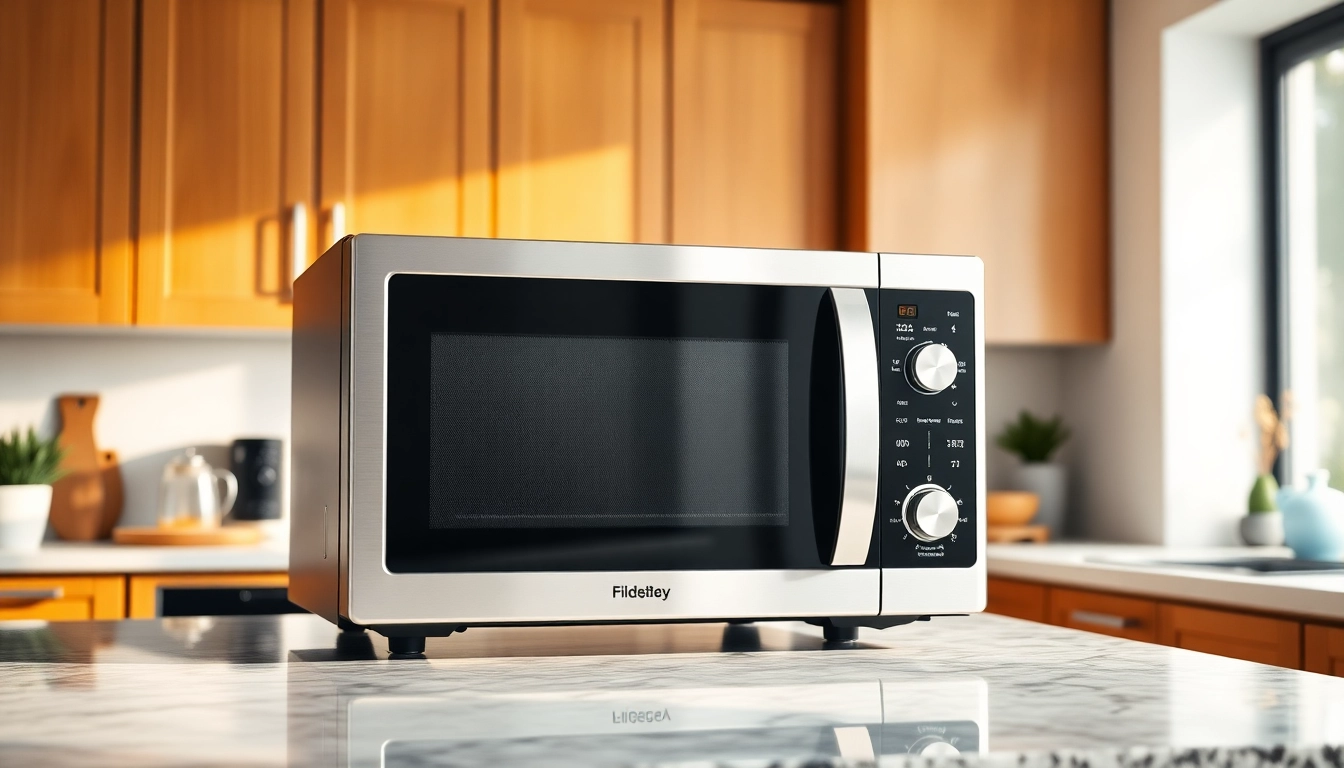
Countertop microwave ovens are perhaps the most common type found in homes. As the name suggests, these units sit on countertops and plug into standard outlets. They come in a range of sizes and wattage, making them suitable for small apartments to spacious kitchens. The key advantages include:
- Portability: Easy to move from one place to another.
- Variety: Available in different sizes and power levels.
- Affordability: Typically less expensive than built-in or over-the-range models.
Over-the-Range Microwave Oven
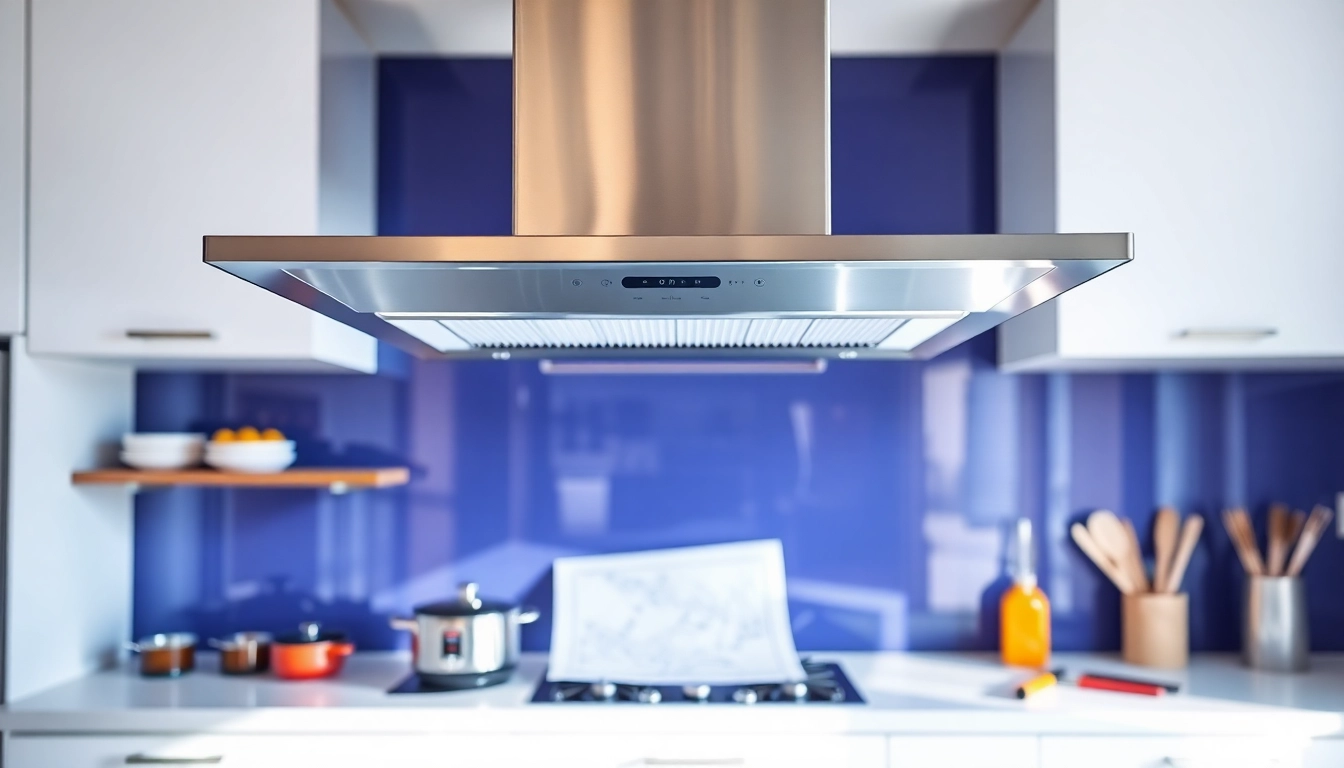
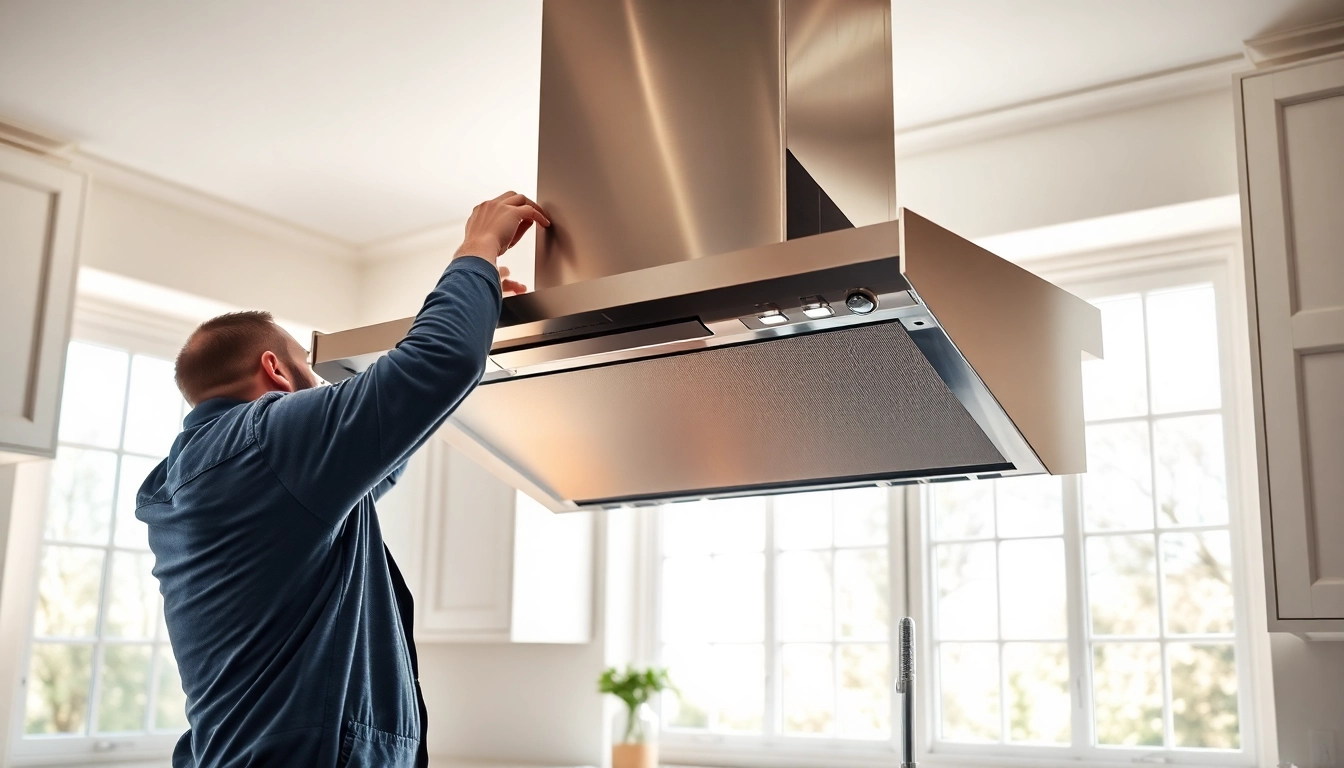
The over-the-range microwave oven is a two-in-one appliance that combines microwave cooking with range ventilation. Mounted above the stove, these units free up countertop space while providing essential cooking functions. Important features include:
- Space-Saving Design: Ideal for kitchens with limited counter space.
- Ventilation: They often include a fan to help vent cooking odors and smoke.
- Additional Lighting: Many models have lights that illuminate the cooking surface below.
Built-In Microwave Oven
Built-in microwaves are designed to fit seamlessly into kitchen cabinetry, providing a more streamlined look. This type typically features advanced cooking technology and is integrated into the flow of your kitchen design. Benefits include:
- Aesthetic Appeal: Create a modern and clean kitchen look.
- Increased Functionality: Integrated controls and numerous cooking settings.
- Customizable Installation: Can be installed at eye level for easier access.
Key Features to Look For
When selecting a microwave oven, it’s crucial to assess several key features that influence its performance and usability. Understanding these aspects will help you select the right model for your cooking style and frequency of use.
Power Levels and Wattage
Microwave ovens typically range from 600 to 1200 watts. Higher wattage equates to faster cooking times. Cooking various foods, from popcorn to casseroles, may require different power settings. A versatile model that offers multiple power levels allows for customized cooking experiences, improving not only efficiency but also food quality.
Cooking Modes and Presets
Modern microwave oven models come equipped with various cooking modes and presets designed for specific foods. These presets can include functions for popcorn, pizza, or baking. Familiarizing yourself with these features can significantly enhance your cooking. Additionally, innovative technology such as sensor cooking can automatically adjust time and power levels based on the food’s moisture level.
Size and Capacity
When choosing a microwave, size and capacity play an essential role in how well it fits your kitchen space and meets your cooking needs. Capacity is usually measured in cubic feet, with most ovens ranging from 0.5 to 2.0 cubic feet. Consider the physical dimensions, especially the internal space, to ensure it accommodates the dishes you plan to use, such as large casserole pans or microwave-safe containers.
Benefits of Using a Microwave Oven
Microwave ovens provide numerous benefits that extend beyond simply reheating food. These advantages range from convenience in cooking to energy savings, making them a vital component of modern kitchens.
Time Efficiency
One of the most significant advantages of microwave ovens is their speed. Traditional cooking methods can take a considerable amount of time, whereas microwaves can cook or reheat food in a fraction of the time. This efficiency is particularly valuable for busy households or anyone looking to minimize time spent in the kitchen.
Versatility in Cooking
Beyond reheating leftovers, microwave ovens can facilitate various cooking processes. They can defrost meats, steam vegetables, and even bake with certain models equipped with convection capabilities. This versatility opens up a world of cooking possibilities and encourages experimentation.
Energy Consumption
Microwaves generally consume less energy than traditional ovens, making them a more eco-friendly cooking option. Because they cook food faster and use less heat, they contribute to lower energy bills, particularly important for households focused on energy conservation. The compact size also means they are typically easier on energy use when compared to larger electric appliances.
Maintenance Tips for Your Microwave Oven
Maintaining your microwave oven is vital for both hygiene and performance. Regular upkeep not only prolongs the life of the appliance but also ensures it operates effectively. Here are some tips for maintaining your microwave:
Regular Cleaning Guidelines
Keep your microwave clean by wiping down its interior and exterior regularly. Use a damp cloth and a mild detergent. For tough stains, a mixture of water and vinegar, or lemon juice can help eliminate odors and sanitize surfaces without harsh chemicals. Additionally, remember to clean microwave-safe utensils that may have collected food residue during cooking.
Common Troubleshooting Tips
Microwave ovens are generally reliable, but issues can arise. Common problems include a microwave not heating, turntable failure, or a malfunctioning keypad. Always refer to the manufacturer’s troubleshooting guide for specific solutions. For example, ensure that the door is securely closed, as microwaves won't operate if the door is ajar.
When to Replace Parts
Over time, certain parts of your microwave may wear out, necessitating repairs. Common components that may require replacement include the door switch, magnetron, or fuse. If your microwave becomes increasingly inefficient or has a persistent problem that fails to resolve with minor repairs, it might be more cost-effective to replace the unit altogether.
Frequently Asked Questions About Microwave Oven
What is the ideal wattage for a microwave oven?
The ideal wattage for a microwave oven ranges from 800 to 1000 watts, offering a good balance between cooking speed and efficiency for most cooking tasks.
Can I use aluminum foil in the microwave oven?
Yes, small pieces of aluminum foil can be used in the microwave, but they should not cover food entirely. Ensure they do not touch the microwave walls to avoid sparking.
How often should I clean my microwave oven?
It’s recommended to clean your microwave oven at least once a week to prevent odors and keep it hygienic, especially after cooking foods that splatter.
Are there health risks associated with microwave ovens?
When used correctly, microwave ovens are safe. It is crucial to avoid using non-microwave-safe containers and ensure even cooking to prevent hot spots that might not adequately heat food.
What size microwave oven do I need for my kitchen?
Choose a microwave size based on your kitchen space and cooking habits. A 0.5 to 1.0 cubic feet model is suitable for small spaces, while larger households may benefit from a 1.5 to 2.0 cubic feet model.