Understanding the Importance of a Fly Fishing Bag
Choosing the right fly fishing bag can dramatically affect your fishing experience. With endless options available on the market, understanding the features and benefits of a dedicated fishing bag is crucial for both novice anglers and seasoned pros. The right bag not only keeps your gear organized but also ensures that you have everything you need at arm’s reach when you're out on the water.
What Makes a Great Fly Fishing Bag?
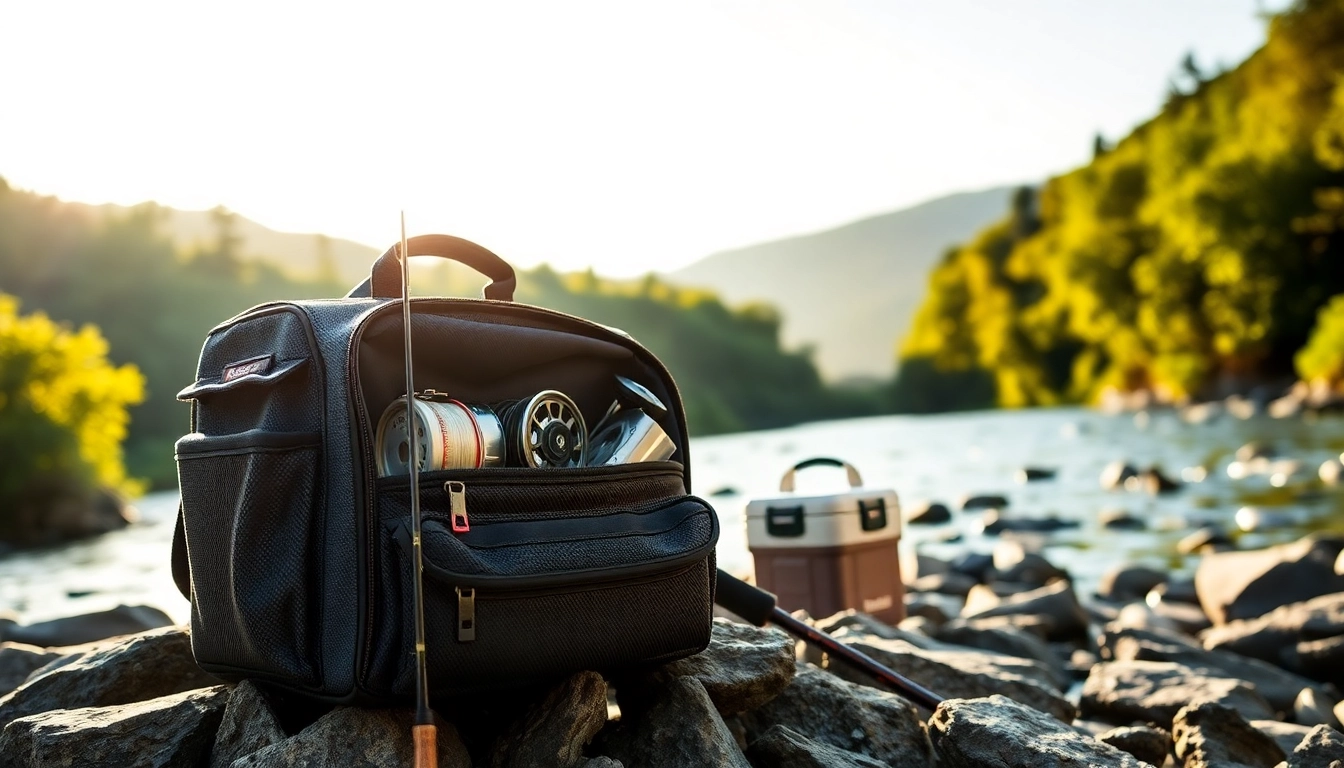
A great fly fishing bag seamlessly merges functionality with comfort. One of the primary attributes of an effective fishing bag is its ability to accommodate various gear types, from fly boxes and tippets to tools and personal items. Additionally, comfort during long treks to your fishing spots is essential—great bags often feature ergonomic designs and adjustable straps for comfort.
Key Features to Look For
- Storage Options: Multiple compartments or exterior pockets for organization.
- Material: Durable, waterproof, or water-resistant fabrics to protect your gear.
- Comfort: Padded straps and back panels to alleviate pressure during extended use.
- Weight: Lightweight materials that do not add excess burden during travels.
- Accessibility: Easy access points for your most-used gear, allowing quick retrieval.
How a Fly Fishing Bag Enhances Your Experience
Having a quality fly fishing bag can enhance your experience on several fronts. Firstly, it simplifies organization, allowing anglers to focus on fishing rather than fumbling through a jumble of gear. A well-structured bag allows you to pack efficiently and adapt to changing conditions with ease. It also supports your comfort level when navigating challenging environments, ultimately fostering a more enjoyable time on the water.
Types of Fly Fishing Bags: Which One Suits You?
Recognizing the different types of fly fishing bags available is vital in choosing the right one for your needs. Each style offers unique advantages that can complement specific types of fishing or environments.
Backpacks vs. Sling Bags
Backpacks are ideal for anglers who need to carry a significant amount of gear over longer distances. They often distribute weight evenly across both shoulders and leave your hands free for other tasks. Conversely, sling bags offer quick access to gear and are best suited for those who fish in primarily accessible locations where minimal gear is required. The choice between the two often boils down to personal preference and fishing style.
Choosing the Right Size for Your Needs
When it comes to size, think about how much gear you typically carry. A smaller bag may suffice for a morning of spontaneous fishing, while a larger, more spacious option is better for day-long trips. Keep in mind your gear needs, whether you bring extra clothing, snacks, or hydration packs during longer excursions.
Waterproof vs. Non-Waterproof Options
The decision between waterproof and non-waterproof bags is largely dependent on the environments in which you typically fish. If you're often in wet conditions—like river fishing or ocean fishing—investing in a waterproof bag is highly beneficial for protecting your gear. Meanwhile, non-waterproof options can be suitable for drier, more controlled environments. Whichever you choose, ensure the closure system is reliable to keep your gear dry.
Top Brands and Models of Fly Fishing Bags
Understanding which brands and specific models offer the best quality and durability can streamline your decision-making process when purchasing a fly fishing bag.
Brands Known for Quality and Durability
Several brands stand out in the fly fishing bag market due to their commitment to quality. Brands such as Simms, Orvis, and Fishpond are revered for their innovative designs and durable materials. Each of these brands offers a range of bags, from backpacks to sling packs, ensuring that every angler can find a fit for their style and budget.
Comparative Reviews of Popular Models
When comparing specific models, it's essential to look at aspects such as user reviews, price points, and the features highlighted in product descriptions. Popular models to consider might include the Simms Dry Creek Z Hip Pack for its waterproof capabilities and comfort, or the Patagonia Stormfront Sling for its durability and ease of access. A thorough comparison can provide a clear picture of which product will best meet your needs.
Price Ranges and Where to Buy
Prices for fly fishing bags can vary significantly, with simple models starting around $30 and high-end specialties rising up to $300 or more. The best approach is to establish a budget that considers not only the bag's price but also its longevity and durability. Shopping online can often yield the best deals, with retailers like the ones found on Fly Fishing Specialties offering diverse options and competitive pricing.
Maintaining Your Fly Fishing Bag
Once you invest in a fly fishing bag, ensuring its longevity through proper maintenance becomes essential.
Cleaning and Care Tips to Extend Longevity
Regular cleaning is key to keeping your bag in prime condition. After each fishing trip, rinse off dirt, sand, and any residues that may linger on your bag. Depending on the material, hand washing with mild detergents can help maintain your bag’s integrity. Always check the manufacturer's care instructions to avoid compromising any waterproofing features.
How to Organize Your Gear Effectively
Organization is not just about keeping your bag neat; it's about ensuring efficiency while fishing. Divide gear into categories (e.g., flies, tools, personal items) and use smaller pouches to create a modular system inside your bag. Labeling these pouches can also save valuable time when you need to grab a specific item quickly.
Protecting Your Bag from the Elements
To safeguard against the elements, consider using a waterproof liner or pack cover for your bag. Store your bag in a cool, dry place when not in use to prevent molds or degradation from moisture. If your bag gets wet, always dry it out completely before storing it to prevent mildew.
Expert Tips for Packing Your Fly Fishing Bag
Knowing how to pack efficiently can maximize the functionality of your bag and enhance your fishing experience significantly.
Essential Gear You Should Bring
No two fishing trips are exactly the same, but essential items typically include a fly box, tippet material, a pair of forceps, and a basic first-aid kit. Additionally, ensure you have layers of clothing, as conditions can change rapidly during your trip.
Seasonal Considerations for Packing
Seasonal factors often dictate what to pack. In colder months, layering options and thermal gear are key, while summer trips may necessitate sun protection items like hats and sunscreen. Always adjust your packing list according to the time of year and regional climate expectations.
Maximizing Space and Accessibility
When packing your fly fishing bag, use packing cubes or small pouches for organization. Place frequently used items at the top or in easy-to-access side pockets, while less-used gear can go into deeper compartments. This organization streamlines your experience by reducing the time spent seeking out equipment during fishing activities.