Understanding Soft Wash: What You Need to Know
Soft washing is an innovative exterior cleaning method designed to effectively remove dirt, mold, algae, and other contaminants without the risks associated with high-pressure washing. It utilizes a gentle stream of water paired with biodegradable cleaning agents, ensuring the preservation of your property’s surfaces while delivering outstanding results. When exploring options, soft wash provides comprehensive insights into safe and effective cleaning practices that cater specifically to your needs. This cleaning technique not only enhances curb appeal but also prolongs the life of your exterior surfaces, making it an essential choice for homeowners and businesses alike.
1. Definition and Benefits of Soft Washing
Soft washing is defined as a low-pressure cleaning method that employs a mixture of water and eco-friendly chemicals to break down and eliminate mold, mildew, and dirt. Unlike traditional pressure washing, which can damage sensitive materials, soft washing uses gentle pressure (typically under 1,500 psi) to effectively clean surfaces while ensuring they remain intact. The primary benefits of soft washing include:
- Gentle on Surfaces: Soft washing is safe for various materials, including roofs, wood, and vinyl siding, preventing potential damage.
- Long-Lasting Results: The cleaning agents penetrate deeply, killing mold spores and preventing regrowth for an extended period.
- Eco-Friendly Solutions: Many soft wash services utilize biodegradable products, reducing environmental impact.
2. How Soft Wash Differs from Traditional Pressure Washing
While both soft washing and traditional pressure washing aim to clean exterior surfaces, they do so using different methods and pressures. Here are some critical distinctions:
- Pressure Levels: Soft washing utilizes low pressure, making it safe for delicate surfaces, whereas pressure washing can reach up to 4,000 psi, which can strip paint and damage fragile surfaces.
- Cleaning Agents: Soft washing relies heavily on chemical solutions to kill mold and algae, while pressure washing generally uses water alone.
- Application: Soft washing is ideal for roofs, siding, and other sensitive materials, while pressure washing is often reserved for hard surfaces like concrete.
3. Ideal Surfaces for Soft Washing
Soft washing is particularly effective for various surfaces, including:
- Roof shingles (asphalt, tile, etc.)
- Vinyl and wood siding
- Decks and fences
- Patios and outdoor furniture
- Concrete surfaces, when combined with appropriate cleaning agents
Why Choose Soft Wash for Your Property?
Choosing soft wash services for your property can yield significant advantages, ranging from aesthetic improvements to long-term maintenance benefits.
1. Eco-Friendly Cleaning Solutions
In today’s environmentally conscious world, opting for eco-friendly solutions is more critical than ever. Soft washing’s biodegradable cleaning agents ensure that no harmful chemicals seep into the surrounding environment. This is particularly vital in areas with delicate ecosystems and gardens.
2. Safe for Delicate Surfaces
Soft washing stands out as a safe cleaning option for delicate surfaces like roofs and painted exteriors. Unlike pressure washing, which can inadvertently strip paint or damage shingles, soft washing gently cleans without causing harm, making it ideal for maintaining the integrity of your property.
3. Long-Lasting Results and Maintenance Benefits
The comprehensive cleaning process of soft washing not only removes visible dirt and stains but also eradicates mold, mildew, and algae at the roots. This means that your property will stay cleaner longer, reducing the frequency of needed cleanings and ultimately saving you money on maintenance.
Common Misconceptions About Soft Washing
Despite its many benefits, soft washing is often surrounded by misconceptions that may deter property owners from choosing this effective cleaning method.
1. Is Soft Washing Only for Roofs?
While soft washing is indeed widely recognized for its effectiveness on roofs, it is not limited to just that surface. This method can be used on various exterior elements, including siding, decks, and even driveways when combined with appropriate cleaning solutions.
2. Safety Concerns with Using Biodegradable Chemicals
Many people express concerns about the safety of using chemical agents for cleaning. However, the biodegradable solutions used in soft washing are formulated to be safe for both the environment and occupants. When applied by trained professionals, these solutions pose minimal risk.
3. Cost vs. Value: Is It Worth It?
Some property owners may shy away from investing in soft washing due to perceived costs. However, the long-term benefits—such as increased property value, reduced maintenance costs, and prolonged lifespan of surfaces—more than justify the initial price. Soft washing is an investment in the longevity and appearance of your property.
Steps to Prepare for Your Soft Wash Service
Preparation is key to ensuring an effective soft wash service. Here are some steps you can take:
1. Choosing the Right Service Provider
Not all soft wash services are created equal. When selecting a provider, look for a company with proven experience, positive reviews, and environmentally safe practices. A licensed and insured contractor will also provide peace of mind that your property is in good hands.
2. Property Preparation Tips for Homeowners
Before the service, clear any obstacles around the areas to be cleaned. This includes moving outdoor furniture, potted plants, and any other items that might impede access. Discuss any specific concerns with your service provider to ensure your needs are met.
3. What to Expect During a Soft Wash
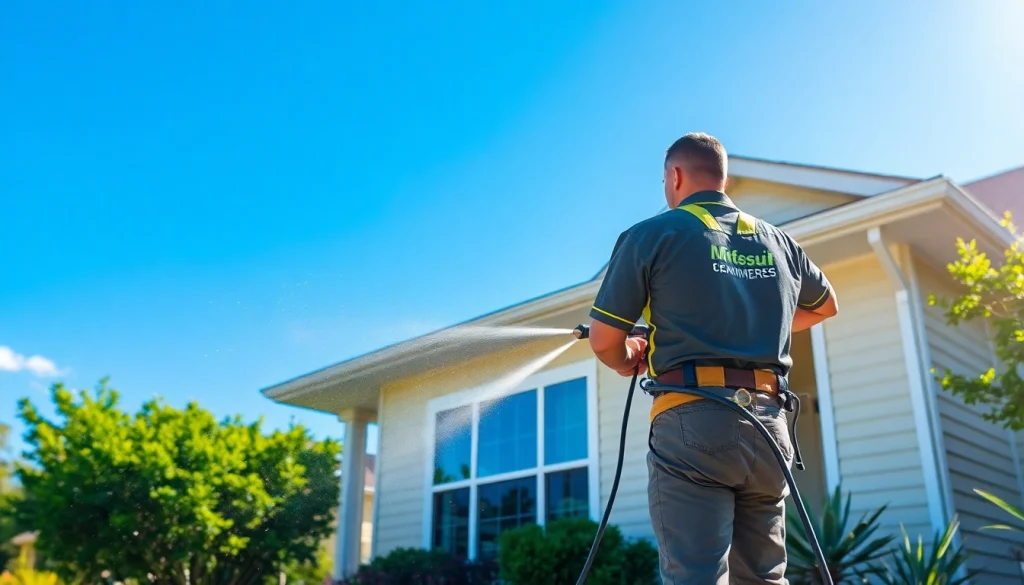
During a soft wash service, you can expect professionals to arrive with specialized equipment designed for low-pressure cleaning. They will apply the cleaning solution, allow it to dwell for a specified time, and then gently rinse the surfaces. The entire process typically takes a few hours, depending on the size of your property.
The Future of Soft Washing: Trends for 2025 and Beyond
The soft washing industry continues to evolve, driven by technology advancements and a growing emphasis on sustainability. Here are some trends to watch.
1. Innovations in Soft Washing Technology
As technology advances, new techniques and equipment are emerging in soft washing, improving efficiency and results. Innovations such as automated cleaning systems and eco-friendly formulations are becoming increasingly commonplace.
2. Sustainable Practices in the Industry
With a greater emphasis on sustainability and environmental responsibility, more service providers are adopting practices that reduce water usage and employ natural cleaning products. This shift not only benefits the planet but also appeals to eco-conscious consumers.
3. Predictions for Soft Wash Service Demand in Florida
As awareness of the benefits of soft washing grows, the demand for these services is expected to increase. Factors such as the rise in property values and a thriving real estate market in Florida will likely drive homeowners and businesses to prioritize exterior maintenance.