
The Significance of New England Residential Architects
Understanding the Architectural Landscape
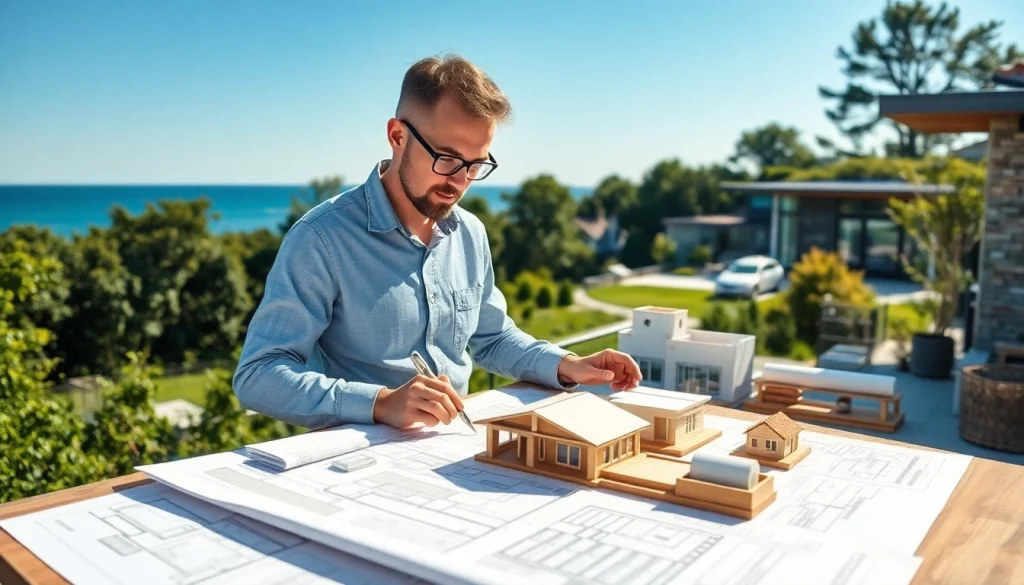
New England is celebrated for its rich architectural heritage, a blend of colonial charm and modern innovation. The architectural landscape here is not just about aesthetics; it is deeply rooted in the region’s history, climate, and culture. From classic colonial structures to contemporary retrofits, the role of a New England residential architect is crucial in navigating this unique environment. They not only create beautiful spaces but also respect and enhance the historical context within which they work.
Key Services Offered
Residential architects in New England provide a wide array of services tailored to meet the individual needs of their clients. Key offerings often include:
- Concept Design: Architects translate a client’s vision into sketches and plans, initiating the personalized design process.
- Site Planning: Tailored solutions for the specific geographical nuances of a site, ensuring optimal use of space and resources.
- Project Management: Coordination of contractors and tradespeople throughout the construction process, ensuring timelines and budgets are met.
- Sustainability Consulting: Integrating green building practices into designs to enhance energy efficiency and environmental responsibility.
- Historical Preservation: Restoring and maintaining the integrity of historically significant structures.
Benefits of Hiring a Designer
The decision to hire a residential architect brings numerous advantages. These professionals are equipped with the design acumen and technical knowledge needed to navigate the complexities of residential building. They can help avoid costly mistakes, deliver innovative solutions, and ultimately create a home that reflects personal style while also adhering to local regulations and standards. Moreover, their understanding of local market trends can enhance property value, ensuring the client makes a sound investment.
Designing for Climate and Environment
Adapting to New England Weather
New England’s diverse weather patterns demand a thoughtful approach to home design. From heavy snowfall to gusty winds, architects must consider how materials and design elements can withstand these challenges while providing comfort. Effective design strategies might include sloped roofs to prevent snow accumulation, large overhangs for shade, and high-quality insulation to keep homes warm in winter and cool in summer.
Incorporating Sustainable Practices
Sustainable architecture is no longer an option but a necessity. New England residential architects are leading the charge in eco-friendly designs by utilizing renewable resources and innovative techniques. Options like solar panels, energy-efficient windows, and water conservation systems are becoming default choices rather than exceptions. By designing homes that minimize environmental impact, architects contribute to a more sustainable future while helping homeowners reduce utility costs.
Using Local Materials Effectively
One characteristic that defines successful New England architecture is the effective use of local materials. These materials not only resonate with the surrounding landscape but also contribute to sustainability. Cedar shingles, granite, and local woods such as oak and pine can be integrated to create a home that is both durable and aesthetically pleasing. Utilizing local craftsmen ensures that the construction process supports the economic vitality of the community.
Innovative Trends in Residential Architecture
Modern Aesthetic Features
The trend in contemporary New England residential architecture emphasizes an elegant blend of functionality and style. Open floor plans, expansive windows, and a minimalist aesthetic are defining characteristics. Architects work to create spaces that encourage light and air flow, fostering an environment that feels open yet intimate. The incorporation of modern design elements such as clean lines, geometric shapes, and mixed materials can result in striking facades that harmonize with traditional structures.
Smart Home Integration
Smart home technology has revolutionized the way we interact with our living spaces. New England residential architects are increasingly incorporating intelligent systems that enhance convenience, security, and energy efficiency. Home automation features such as smart thermostats, lighting systems, and security cameras can be seamlessly integrated into the design, allowing residents to control their environment easily. The trend emphasizes not just technology itself but its harmonious integration into the architectural fabric of the home.
Open Concept Living Spaces
Open concept layouts continue to gain popularity, championing a lifestyle that encourages social interaction and flexibility. By eliminating unnecessary walls and barriers, these designs foster a sense of connection throughout the home. Architects are tasked with creating distinct zones for different activities while maintaining an overarching theme of openness. Thoughtful placement of furniture and use of materials can guide flow and functionality in these expansive spaces.
Cost Factors in Residential Architecture
Budgeting for Your Dream Home
Establishing a realistic budget is crucial when embarking on the journey of designing a new home. Costs can vary widely based on location, design complexity, materials, and labor. Potential homeowners must consider not only the initial design costs but also expenses related to site preparation, permits, and landscaping. Engaging a New England residential architect early in the process can provide valuable insights into budget allocation and prioritizing essential features versus optional upgrades.
Understanding Pricing Models
Residential architects may use various pricing models, including fixed fees, hourly rates, or a percentage of the total construction cost. Each model has its benefits and drawbacks, which should be carefully considered in light of the project’s specific needs. It’s vital to have a transparent discussion with architects about their pricing structure and to ensure that the final agreement aligns with the homeowner’s expectations.
Hidden Costs to Consider
As with any construction project, hidden costs can emerge unexpectedly. Commonly overlooked expenses include site utility connections, landscaping, unforeseen permitting fees, and changes in design during the construction phase. Detailed planning and communication with your architect can help mitigate these risks, but it’s wise to budget an additional percentage for unforeseen circumstances to avoid financial strain.
Frequently Asked Questions About New England Residential Architects
What services do residential architects provide?
Residential architects offer design consultation, project management, construction documentation, and sustainability consulting, tailoring their services to individual client needs.
How long does the design process take?
The design process duration varies but typically ranges from several weeks to months, considering revisions and permitting. Early engagement with an architect helps streamline the process.
Can architects help with permits and regulations?
Yes, experienced architects guide clients through local permit requirements and building regulations, ensuring that designs meet all necessary codes and standards.
What should I look for when choosing an architect?
Look for architects with relevant experience, a portfolio that reflects your style, strong communication skills, and positive client references for a successful partnership.
How much should I budget for architectural fees?
Architectural fees can typically range from 5% to 20% of the total project cost. Discussing specific needs and preferences with your architect helps refine the budget appropriately.