
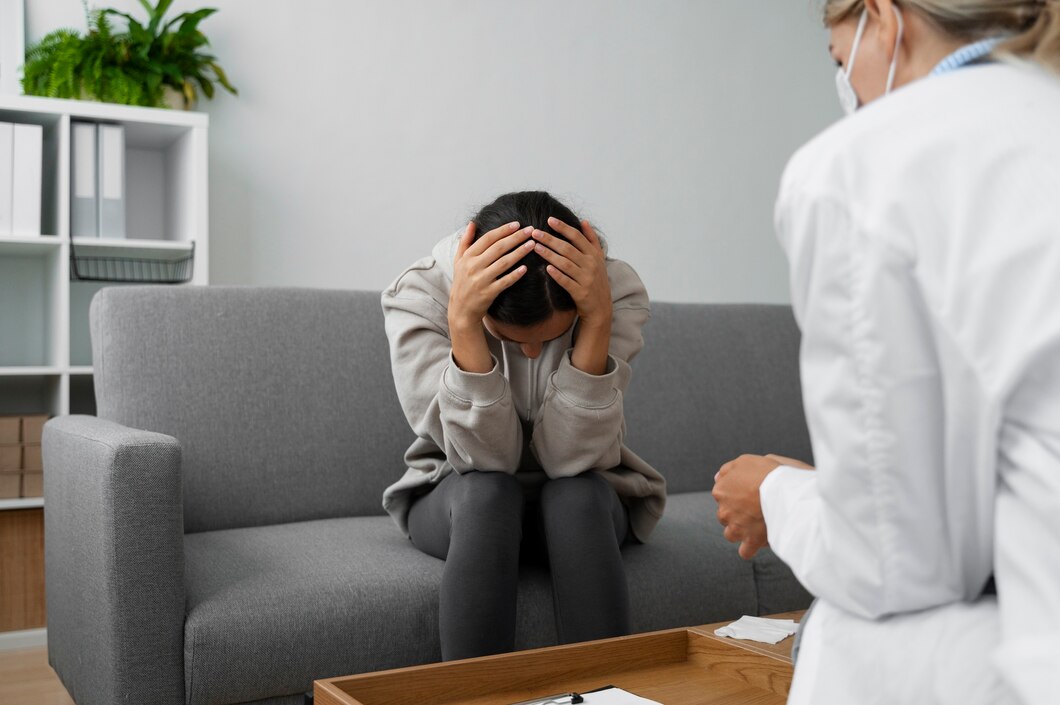
Stress and anxiety are increasingly common experiences in modern life, affecting emotional stability, physical health, and daily functioning. Understanding Stress and anxiety symptoms is a critical step toward managing them effectively and preventing long-term mental health challenges. Many people experience symptoms without fully realizing what they signify or how deeply they influence thoughts, behaviors, and bodily processes. This in-depth guide explains stress and anxiety symptoms clearly and provides practical, evidence-based coping tools that support calm, balanced living. The purpose is not only to describe symptoms but also to empower individuals with actionable strategies they can apply confidently in everyday life.
- Understanding Stress and Anxiety as Psychological Responses
- Common Emotional Symptoms of Stress and Anxiety
- Cognitive Symptoms Linked to Stress and Anxiety
- Physical Symptoms of Stress and Anxiety
- Behavioral Symptoms Associated with Stress and Anxiety
- Coping Tools to Manage Emotional Symptoms
- Coping Tools for Cognitive Symptoms
- Coping Tools for Physical Symptoms
- Building Long-Term Coping Capacity
- Integrating Coping Tools into Daily Life
- Conclusion
- FAQs
Understanding Stress and Anxiety as Psychological Responses
Stress and anxiety are natural responses designed to protect the body from perceived threats. Stress typically arises in response to external pressures such as deadlines, responsibilities, or unexpected challenges. Anxiety, while closely related, often persists beyond immediate situations and involves ongoing worry, fear, or unease. Although stress and anxiety are part of normal human functioning, problems arise when these responses become excessive, chronic, or disproportionate to actual circumstances.
From a psychological standpoint, stress and anxiety activate the body’s survival system, commonly referred to as the fight-or-flight response. This response prepares the body to react quickly by increasing heart rate, sharpening focus, and mobilizing energy. While helpful in short-term situations, repeated or prolonged activation can disrupt emotional regulation and physical health. Recognizing this foundational mechanism helps explain why symptoms appear and why coping tools are essential.
Common Emotional Symptoms of Stress and Anxiety
Persistent Worry and Overthinking
One of the most recognizable symptoms of stress and anxiety is persistent worry. Individuals may find their minds constantly occupied with concerns about the future, responsibilities, or potential negative outcomes. This overthinking often feels uncontrollable and mentally exhausting. Thoughts may loop repeatedly, making it difficult to relax or focus on the present moment.
Persistent worry is especially common in anxiety, where the mind anticipates threats even in relatively safe situations. Over time, this symptom can erode confidence, disrupt decision-making, and create a sense of mental overload that intensifies stress and anxiety further.
Irritability and Emotional Sensitivity
Stress and anxiety frequently heighten emotional reactivity. Individuals may feel irritable, impatient, or easily frustrated by minor inconveniences. Emotional sensitivity can increase, leading to stronger reactions to situations that would normally feel manageable. This symptom often causes strain in relationships and may result in guilt or self-criticism after emotional outbursts.
Emotional volatility occurs because stress hormones affect the brain regions responsible for impulse control and emotional regulation. When stress and anxiety remain elevated, the capacity to respond calmly diminishes, making irritability a common and understandable symptom.
Feelings of Restlessness or Unease
A constant sense of unease is another hallmark symptom of stress and anxiety. Individuals may feel on edge, unable to fully relax, or uncomfortable without knowing exactly why. This restlessness can be both mental and physical, creating a feeling that something is wrong even when circumstances appear stable.
This symptom reflects the nervous system remaining in a heightened state of alertness. Without proper coping tools, restlessness can persist throughout the day and interfere with concentration, sleep, and emotional comfort.
Cognitive Symptoms Linked to Stress and Anxiety
Difficulty Concentrating and Mental Fog
Stress and anxiety often impair cognitive clarity. Many individuals report difficulty concentrating, forgetfulness, or a sense of mental fog. Tasks that once felt simple may require extra effort, and attention may shift rapidly from one thought to another.
This symptom occurs because stress hormones divert resources away from higher-order thinking functions. When the brain prioritizes survival responses, memory and focus naturally decline. Understanding this connection helps individuals recognize that concentration difficulties are symptoms rather than personal failures.
Negative Self-Talk and Self-Doubt
Stress and anxiety frequently alter internal dialogue. Negative self-talk, excessive self-criticism, and doubts about competence or worth become more prominent. Individuals may interpret neutral situations negatively or assume responsibility for outcomes beyond their control.
This cognitive pattern reinforces stress and anxiety by creating internal pressure and emotional strain. Over time, negative self-talk can undermine self-esteem and increase avoidance behaviors, making effective coping even more important.
Catastrophic Thinking Patterns
Another cognitive symptom involves imagining worst-case scenarios. Stress and anxiety can cause the mind to exaggerate potential risks and minimize coping abilities. Small problems may feel overwhelming, and uncertainty may be interpreted as danger.
Catastrophic thinking intensifies emotional responses and keeps the nervous system in a heightened state. Learning to identify this pattern is a key step in applying effective coping tools that restore perspective and calm.

Physical Symptoms of Stress and Anxiety
Muscle Tension and Bodily Discomfort
Physical tension is one of the most common physical symptoms of stress and anxiety. Muscles, particularly in the neck, shoulders, jaw, and back, may feel tight or sore. This tension often develops gradually and may go unnoticed until discomfort becomes significant.
Chronic muscle tension reflects the body’s preparation for action. Without relaxation and release, this symptom can contribute to headaches, posture issues, and persistent pain.
Changes in Heart Rate and Breathing
Stress and anxiety frequently affect cardiovascular and respiratory systems. Individuals may notice a racing heart, shallow breathing, or a feeling of tightness in the chest. These sensations can be alarming and may increase fear, especially if they are unfamiliar.
These symptoms are direct results of the fight-or-flight response. While uncomfortable, they are not dangerous in themselves. Learning calming breathing techniques can significantly reduce their intensity and duration.
Digestive Disturbances
The digestive system is highly sensitive to stress and anxiety. Symptoms may include stomach discomfort, nausea, changes in appetite, or irregular digestion. This occurs because stress hormones alter gut functioning and blood flow.
Digestive symptoms can further increase stress and anxiety, particularly when individuals worry about their health. Recognizing the stress-related nature of these symptoms helps reduce fear and supports targeted coping strategies.
Behavioral Symptoms Associated with Stress and Anxiety
Avoidance and Withdrawal
When stress and anxiety feel overwhelming, individuals may begin avoiding situations that trigger discomfort. This avoidance can include social interactions, responsibilities, or new experiences. While avoidance may provide temporary relief, it often reinforces anxiety over time.
Withdrawal from activities and relationships reduces opportunities for positive reinforcement and support. Addressing avoidance behaviors gently and gradually is an important aspect of long-term stress and anxiety management.
Changes in Sleep Patterns
Sleep disturbances are strongly linked to stress and anxiety. Individuals may struggle to fall asleep, wake frequently during the night, or experience unrefreshing sleep. Racing thoughts and physical tension often interfere with the body’s natural sleep processes.
Poor sleep intensifies stress and anxiety symptoms the following day, creating a self-perpetuating cycle. Improving sleep hygiene is a foundational coping tool for emotional regulation.
Unhealthy Coping Behaviors
Stress and anxiety sometimes lead to coping behaviors that provide short-term relief but long-term harm. These may include overeating, excessive screen use, substance reliance, or compulsive busyness. While understandable, these behaviors often increase physical strain and emotional instability.
Identifying these patterns without judgment allows individuals to replace them with healthier coping tools that support lasting wellbeing.
Coping Tools to Manage Emotional Symptoms
Mindful Awareness and Emotional Observation
Mindful awareness involves observing emotions without trying to suppress or eliminate them. When stress and anxiety arise, acknowledging their presence calmly reduces emotional resistance. This approach allows feelings to pass more naturally and prevents escalation.
Practicing mindful observation helps individuals differentiate between experiencing emotions and being controlled by them. Over time, this skill fosters emotional resilience and greater self-trust.
Self-Compassion as an Emotional Regulator
Self-compassion is a powerful coping tool for stress and anxiety. Rather than criticizing oneself for feeling overwhelmed, self-compassion encourages kindness and understanding. Research consistently shows that self-compassion reduces anxiety and emotional distress.
This practice involves recognizing that stress and anxiety are common human experiences and responding with supportive self-talk rather than judgment.
Coping Tools for Cognitive Symptoms
Thought Awareness and Cognitive Reframing
One of the most effective tools for managing cognitive symptoms is thought awareness. This involves noticing recurring thought patterns and evaluating their accuracy. Cognitive reframing helps replace exaggerated or unhelpful thoughts with balanced alternatives.
By practicing this skill regularly, individuals reduce the impact of catastrophic thinking and regain a sense of mental control.
Limiting Mental Overload
Stress and anxiety worsen when the mind is constantly overstimulated. Reducing multitasking, scheduling mental breaks, and focusing on one task at a time help restore cognitive clarity. Creating boundaries around information intake is especially important in managing anxiety.
Mental rest is not avoidance; it is a necessary component of emotional regulation.
Coping Tools for Physical Symptoms
Controlled Breathing Techniques
Breathing techniques are among the most accessible and effective coping tools for stress and anxiety. Slow, deep breathing activates the parasympathetic nervous system, signaling the body to calm down. Consistent practice improves the body’s ability to regulate stress responses.
Breathing tools are particularly helpful during moments of acute anxiety or physical discomfort.
Gentle Movement and Physical Release
Movement helps release stored tension and stress hormones. Gentle activities such as walking, stretching, or yoga support physical relaxation without overstimulating the nervous system. Regular movement also improves sleep and mood stability.
Physical release complements emotional and cognitive coping strategies, creating a balanced approach to stress and anxiety management.
Building Long-Term Coping Capacity
Establishing Predictable Daily Routines
Predictability reduces stress and anxiety by providing a sense of stability. Daily routines that include consistent sleep, meals, and relaxation periods help regulate biological rhythms. Over time, routines create a foundation of safety that supports emotional balance.
Strengthening Emotional Literacy
Emotional literacy involves recognizing, naming, and understanding emotions. Improving emotional vocabulary helps individuals respond more effectively to stress and anxiety rather than feeling overwhelmed by vague discomfort. This skill enhances communication and self-awareness.
Seeking Support When Needed
Support is a critical coping resource. Talking openly with trusted individuals reduces isolation and provides perspective. Professional support may also be beneficial when symptoms significantly interfere with daily functioning.
Seeking support is a sign of self-awareness and proactive mental health care, not weakness.
Integrating Coping Tools into Daily Life
Coping tools are most effective when practiced consistently rather than only during moments of crisis. Integrating small practices into daily routines builds resilience and reduces the intensity of stress and anxiety over time. Progress may be gradual, but steady application leads to meaningful change.
At Calm Minds Hub, the emphasis is on practical, evidence-based strategies that fit into real-life demands. Stress and anxiety symptoms are signals, not flaws. When understood and addressed with appropriate tools, they become opportunities for growth and self-regulation.
Conclusion
Stress and anxiety manifest through emotional, cognitive, physical, and behavioral symptoms that can significantly affect quality of life. Understanding these symptoms reduces fear and confusion, while effective coping tools restore a sense of control and calm. By addressing stress and anxiety holistically and compassionately, individuals can build resilience, improve emotional wellbeing, and navigate daily challenges with greater confidence. With awareness, consistency, and supportive strategies, managing stress and anxiety becomes not only possible but sustainable. Unlock the full value of our platform—visit the homepage to explore more.
FAQs
How can I tell if my symptoms are stress-related or anxiety-related?
Stress symptoms are often linked to specific external pressures and may decrease once the situation changes. Anxiety symptoms tend to persist and involve ongoing worry or fear even without an immediate trigger. Both can overlap, and professional guidance can help clarify experiences.
Are physical symptoms of stress and anxiety dangerous?
Physical symptoms such as muscle tension, rapid heartbeat, or digestive changes are uncomfortable but generally not dangerous on their own. They reflect the body’s stress response. Learning coping tools can significantly reduce their intensity and frequency.
How long does it take for coping tools to reduce stress and anxiety symptoms?
Some coping tools, such as breathing techniques, can provide immediate relief. Long-term improvement depends on consistency and individual circumstances. Many people notice gradual reductions in symptoms over weeks or months with regular practice.

