Understanding Vapor Barrier Installation
When discussing home construction and maintenance, one essential topic is the importance of Vapor Barrier Installation. This process is critical for controlling moisture in the interior spaces of a home, especially in crawl spaces and basements. A vapor barrier acts as a shield against water vapor from the ground, significantly enhancing the durability of your property and contributing to healthier indoor air quality.
What is a Vapor Barrier?
A vapor barrier is a layer of material that is designed to impede the flow of moisture vapor. Typically made from polyethylene plastic, foil, or similar impermeable materials, these barriers are installed in areas where moisture control is necessary. By preventing water vapor from passing through walls, floors, and ceilings, vapor barriers play a pivotal role in maintaining dry and comfortable living spaces. Proper installation can help reduce condensation, mold growth, and deterioration of structural elements over time.
Importance of Vapor Barrier Installation
Vapor barrier installation is crucial for several reasons:
- Mold Prevention: By minimizing moisture levels, vapor barriers significantly reduce the likelihood of mold and mildew growth, which can lead to serious health issues.
- Energy Efficiency: Properly installed vapor barriers can help to maintain temperature control in your home, reducing energy costs associated with heating and cooling.
- Structural Integrity: Prolonged exposure to moisture can damage a home’s foundation and structural components. Vapor barriers protect against this damage.
- Indoor Air Quality: Effective moisture control can lead to improved indoor air quality, which is essential for the health of all occupants.
Key Materials Needed
To install a vapor barrier effectively, you will need the following materials:
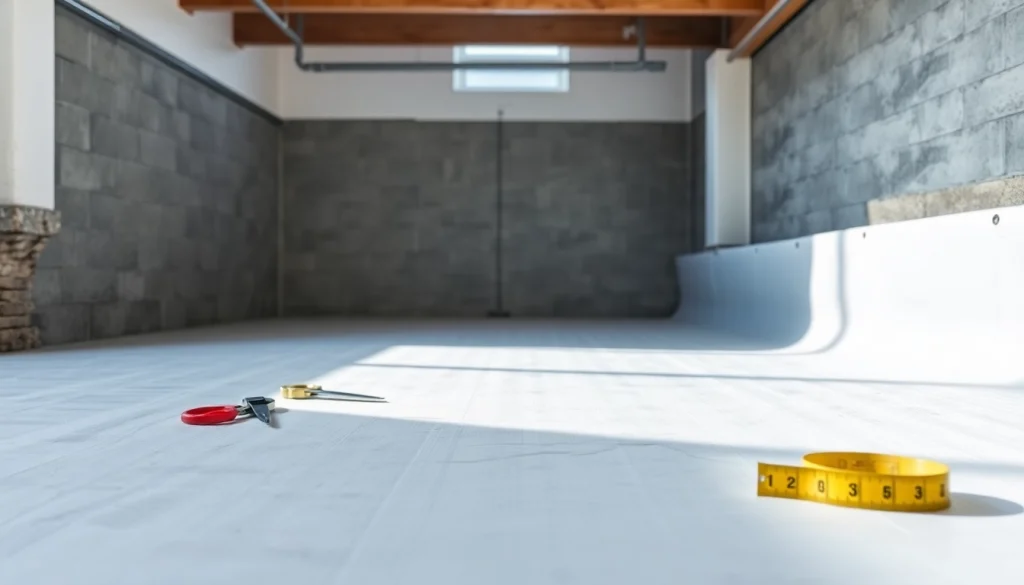
- Polyethylene Sheeting: Typically 6-mil or thicker sheets provide excellent moisture prevention.
- Tape: Specialized vapor barrier tape or duct tape for sealing seams.
- Staples or Fasteners: To secure the barrier in place, particularly along edges.
- Utility Knife: For precise cutting of the sheeting material.
- Measuring Tape: To ensure accurate measurements and layout.
Common Challenges in Vapor Barrier Installation
Vapor barrier installation may seem straightforward, but it comes with its share of challenges. Awareness and preparation can help mitigate these issues.
Environmental Factors
Understanding the local climate is vital for effective vapor barrier installation. Regions with high humidity may require thicker barriers or specific positioning to optimize performance. Moreover, seasonal changes can cause variances in moisture levels, necessitating a more robust approach to vapor barrier selection and installation.
Material Selection Issues
Choosing the right materials for vapor barrier installation is critical. Using an inappropriate thickness of polyethylene or cheap alternatives can lead to failure, allowing moisture ingress. Always opt for high-quality materials recommended for the intended application, bearing in mind the moisture levels in your area.
Installation Errors to Avoid
Common installation errors can compromise the effectiveness of a vapor barrier. Some errors include:
- Inadequate Sealing: All seams must be properly taped to prevent moisture entry.
- Improper Overlap: Ensure that overlaps of the vapor barrier are at least 12 inches to ensure full coverage.
- Neglecting Vertical Surfaces: Many homeowners only install barriers horizontally, but controlling moisture on walls is equally important.
Best Practices for Vapor Barrier Installation
Implementing best practices during vapor barrier installation can ensure effective moisture control and longevity of the materials used.
Planning Your Installation
Before installation, clear the area where the vapor barrier will be laid. Remove any debris or sharp objects that could puncture the barrier. Measure the space accurately to ensure you purchase enough material.
Step-by-Step Installation Guide
The following step-by-step guide outlines the process of installing a vapor barrier:
- Prepare the Area: Clean the crawl space or designated area thoroughly.
- Measure and Cut: Measure the area to be covered, cut the sheeting into appropriate dimensions, ensuring it extends several inches up the walls.
- Lay the Sheeting: Position the polyethylene sheeting flat on the ground. Ensure that it covers all exposed earth.
- Secure the Edges: Use staples or fasteners to secure the edges to the walls.
- Seal Seams: Tape all seams carefully to prevent openings.
- Check for Gaps: Inspect the installation for any missed spots or gaps that need attention.
Safety Measures to Consider
Safety should always be a priority during installation. Use gloves and a mask when handling materials. Ensure that the area is well-ventilated, particularly when using adhesives or adhesives that emit fumes. It’s also wise to wear knee pads, as there may be extended periods spent on the ground.
Advanced Techniques in Vapor Barrier Installation
For a more sophisticated approach to vapor barrier installation, consider the following advanced techniques that can enhance overall effectiveness.
Use of Specialized Products
Explore specialized vapor barrier products that are designed for specific conditions, such as thermal barriers with insulation properties or barriers enhanced with antimicrobial agents to inhibit mold growth. Utilizing these products can provide an additional layer of protection and efficiency.
Dealing with Moisture Issues
If your home experiences high moisture issues, integrating a dehumidification system can complement your vapor barrier. Moreover, ensure proper drainage around your home’s foundation to divert water away from the structure.
Insulation Enhancements
Combining vapor barrier installation with insulation can yield optimal energy efficiency and condensation control. Consider using insulating foam boards or fiberglass insulation along with your vapor barriers to create a more robust protective system.
Maintenance and Performance Metrics
After installation, maintaining your vapor barrier is vital to ensure its continued effectiveness in moisture control.
Monitoring Effectiveness
Regularly inspect the vapor barrier for signs of damage or wear. Check for moisture build-up, especially during seasons of high humidity or rainfall, and gauge whether any seepage has occurred around seams and edges.
Repairing Installation Issues
Should any issues arise, such as tears or punctures, address them immediately. Use additional tape or sealant to repair these areas effectively. In severe cases, replacing the damaged section may be necessary.
FAQs on Vapor Barrier Installation
What is the ideal thickness for a vapor barrier?
A 6-mil polyethylene sheeting is commonly recommended for most residential applications, but thicker options may be necessary for extreme conditions.
Where should vapor barriers be installed?
Vapor barriers should be installed in crawl spaces, basements, and areas with high humidity to effectively control moisture intrusion.
Can I install a vapor barrier myself?
Yes, with the right tools and a clear understanding of the process, most homeowners can install a vapor barrier without professional help.
How long does a vapor barrier last?
With proper installation and maintenance, a vapor barrier can last 15 to 30 years or more, depending on environmental conditions.
Do I need a vapor barrier in dry climates?
While less critical in dry climates, a vapor barrier can still be beneficial if there’s potential for moisture intrusion from other sources.