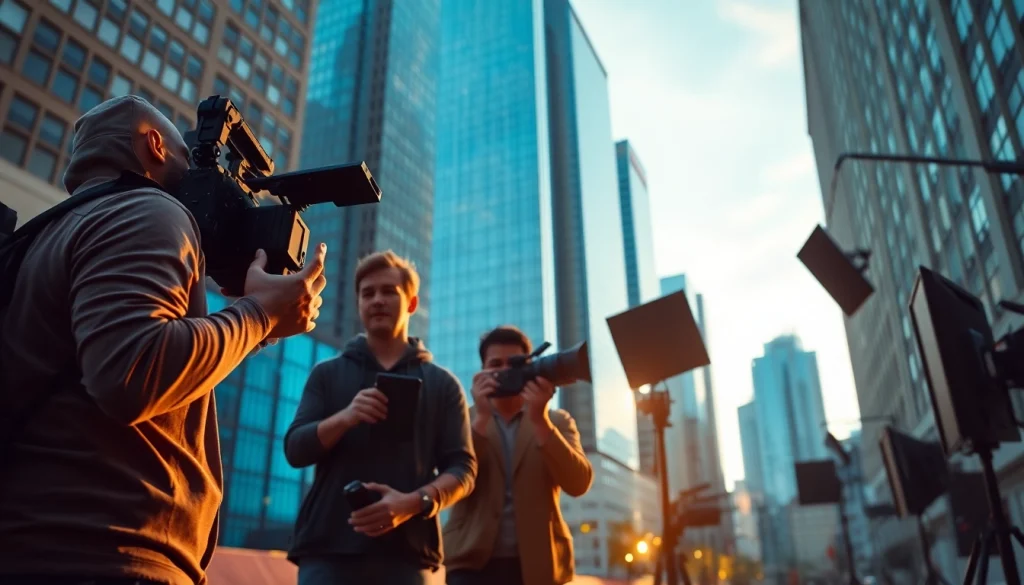
Understanding Cinematic Video Production
Cinematic video production is an art form that combines storytelling with advanced filmmaking techniques to create visually stunning narratives. Unlike traditional video production, which may focus more on documentation or direct communication, cinematic video production employs various cinematic language techniques to immerse the viewer in an experience. This article delves deep into the intricacies of cinematic video production, providing you with a thorough understanding of its components, processes, and best practices. To truly master this craft, exploring resources like cinematic video production can help you refine your skills and refine your storytelling abilities.
What Sets Cinematic Video Production Apart?
At its core, cinematic video production is characterized by its profound emphasis on storytelling. It seeks to communicate emotions, ideas, and themes through visual imagery, sound, and editing rather than relying solely on the spoken word. Several elements set it apart from standard video production:
- Storytelling Focus: A cinematic video often centers around a compelling narrative that captivates the audience, making the video memorable and impactful.
- Visual Aesthetics: Cinematic production prioritizes visual storytelling techniques such as composition, color grading, and framing, which help convey the mood and tone of the story.
- Sound Design: In cinematic video production, sound plays a vital role and is often treated with the same importance as visuals. Powerful audio elements, including soundtracks, voiceovers, and ambient noise, enhance the narrative experience.
- High Production Quality: Cinematic productions use professional-grade equipment and techniques, resulting in visuals that resonate with audiences. This includes utilizing advanced cameras, lighting setups, and editing software.
Key Components of Cinematic Video Production
Creating an impressive cinematic video requires meticulous attention to multiple components. Here are the key elements:
- Story: A well-crafted story serves as the backbone of any cinematic production.
- Cinematography: This refers to how the camera captures images on screen.
- Lighting: Effective lighting can transform ordinary scenes into extraordinary visuals, shaping the tone and ambiance.
- Sound Design: The audio experience of a cinematic production must be carefully designed to enhance the visuals.
- Editing: The editing process is where the raw footage is transformed into a coherent narrative.
Essential Tools and Equipment for Cinematic Video Production
To execute a cinematic video project effectively, specific tools and equipment are indispensable:
- Cameras: High-quality cameras, whether DSLRs or cinema cameras, are crucial for capturing stunning visuals.
- Stabilizers: Equipment like gimbals and steadicams helps create smooth, professional-looking footage.
- Lighting Kits: Understanding and utilizing different lighting kits can drastically affect the look of each shot.
- Audio Equipment: Quality microphones and audio recorders can enhance the audience’s experience through improved sound.
- Editing Software: Professional editing tools help craft the final product and ensure a polished outcome.
Planning Your Cinematic Video Production
The planning phase is crucial for a successful cinematic video production. A well-structured plan lays the foundation for all subsequent processes.
Developing a Strong Concept
A strong concept is the seed from which your cinematic video grows. Begin with brainstorming ideas that are not just visually captivating but also resonate with your intended audience. Here are a few approaches:
- Thematic Exploration: Identify themes that you are passionate about or that your audience can relate to.
- Unique Perspectives: Consider presenting your subject from an angle that hasn’t been explored before.
- Character Development: Creating relatable characters can greatly enhance viewer engagement.
Creating an Effective Script and Storyboard
Once your concept is established, developing a script and a storyboard is your next step. The script outlines the dialogue, while the storyboard provides a visual representation of each shot.
Your script should include:
- A clear narrative arc (introduction, conflict, resolution)
- Character dialogues and interactions
- Visual cues for scenes to guide cinematography choices
The storyboard should illustrate:
- Key frames that depict essential shots
- Transitions and camera movement notation
- General visual style indicated through sketches or references
Assembling Your Production Team
A group of skilled individuals working together can elevate your cinematic production to heights you might not achieve alone. Essential roles in your production team include:
- Director: The vision holder who orchestrates the overall artistic direction.
- Cinematographer: Responsible for capturing the visual elements with the camera.
- Sound Designer: Manages all audio aspects, including effects and music.
- Editor: The individual who stitches the footage together into the final composition.
Executing the Cinematic Video Production
With planning squared away, it’s time to execute your cinematic video production. This phase involves numerous creative and technical processes.
Directing and Cinematography Techniques
Directing is about translating the script and storyboard into reality. Effective communication with your cast and crew is essential to ensure that everyone shares the same vision. Key cinematography techniques include:
- Composition: Utilize the rule of thirds and leading lines to create balanced shots.
- Camera Movement: Dynamic movements can add excitement and energy to your footage.
- Depth of Field: This refers to the focus area that can highlight your subject while blurring backgrounds.
Lighting Strategies for Impactful Cinematic Video Production
Lighting is instrumental in shaping the mood of your film. Here are several effective strategies:
- Natural Lighting: Make the most of daylight, using reflectors to bounce natural light.
- Key Light and Fill Light: Create a balanced look by using a key light to create depth and a fill light to soften harsh shadows.
- Backlighting: Separates the subject from the background, making the visuals pop.
Achieving Sound Excellence in Cinematic Video Production
Sound is pivotal in enhancing the viewer’s emotional response. Focus on the following elements:
- Dialogue Clarity: Use high-quality microphones to capture clear actor performances.
- Ambient Sounds: Incorporate background noise to create a realistic atmosphere.
- Music Selection: Choose or compose music that drives the emotion of the scene.
Post-Production Techniques for Cinematic Video Production
Post-production is where the magic happens. While the footage captures moments, editing shapes them into a cohesive story.
Editing for Maximum Impact
During the editing phase, embrace both technical skill and artistic vision to impact storytelling. Some valuable tips include:
- Continuity Editing: Maintain a smooth flow in the narrative by carefully managing shot transitions.
- Cut for Emotion: Align the pacing of edits to suit the emotional beats of the story.
- Use of B-Roll: Incorporate supplementary footage to enhance your narrative and provide depth.
Color Grading and Visual Effects in Cinematic Video Production
Color grading is key in establishing the tone and mood of your story. When you grade footage, consider the following:
- Color Palettes: Select a palette that represents your narrative’s emotions.
- Consistency: Ensure visual continuity across scenes.
- Visual Effects: Utilize effects judiciously to enhance the realism without overwhelming.
Sound Design and Mixing for Cinematic Experiences
Mastering sound design and mixing is essential for creating an immersive cinematic experience. Focus on:
- Layering Sounds: Combine different sound elements to create depth.
- Volume Balancing: Maintain a balanced audio mix so dialogue and music don’t overpower each other.
- Final Mixing: Conduct a final mix to polish off any audio elements before the release.
Measuring Success in Cinematic Video Production
Once your cinematic video has been completed and shared, measuring its success is vital for continuous improvement.
Key Performance Indicators for Cinematic Video Production
Identify relevant indicators to assess the effectiveness of your video:
- View Counts: Monitor how many people view your video as an indicator of reach.
- Engagement Rates: Look at likes, shares, and comments for audience interaction.
- Conversion Metrics: If applicable, track how many viewers took action that aligns with your goals.
Gathering and Analyzing Viewer Feedback
Direct feedback from your audience can provide invaluable insights. Consider:
- Surveys and Polls: Utilize these tools to gain insights into how your audience perceived the video.
- Social Listening: Monitor social media platforms for comments that may offer constructive criticism.
- Focus Groups: A small group discussion can yield rich qualitative data about audience perceptions.
Continuously Improving Your Cinematic Video Production Skills
The pursuit for excellence in cinematic video production is never-ending. Consider the following methods for self-improvement:
- Continued Education: Participate in workshops and courses to stay updated with current technologies.
- Networking: Connect with peers in the industry to exchange insights and experiences.
- Revising Past Projects: Reflect on your finished works and identify areas for enhancement.