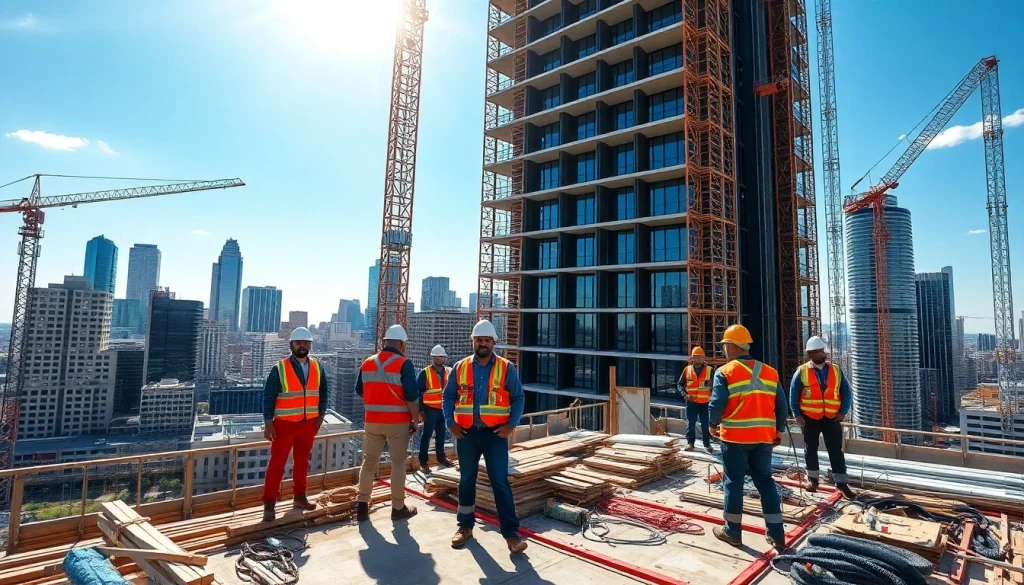
Understanding the Austin Construction Landscape
Austin, Texas, is experiencing a construction boom, fuelled by its rapidly growing population and vibrant economy. This southwestern city’s construction landscape is dynamic and evolving, shaped by a variety of factors including demographic shifts, regulatory frameworks, and technological advancements. The influx of new residents has not only increased the demand for housing but also spurred significant developments in commercial spaces, infrastructure, and innovative urban planning. For more insights and resources about Austin construction, it is crucial to grasp the intricacies of the local industry.
Key Trends Shaping the Industry
The Austin construction industry is influenced by several key trends:
- Urbanization: With the population growth in Austin, more people are moving to urban areas, creating demand for mixed-use developments that combine residential, commercial, and recreational spaces.
- Sustainability: There’s a growing emphasis on sustainable construction practices that prioritize energy efficiency and environmentally-friendly materials.
- Smart Buildings: The integration of technology in construction projects has led to the rise of smart buildings that enhance livability and reduce energy consumption.
- Affordable Housing: Initiatives aimed at creating affordable housing solutions have gained momentum amidst rising property prices, prompting innovative designs and funding models.
Impact of Local Regulations on Construction
Local regulations play a vital role in Austin’s construction landscape. Zoning laws dictate land use and density, impacting what can be built where. The city has also implemented measures aimed at preserving its character, which can sometimes delay projects. To navigate these regulations effectively, construction firms must engage with city planners early in the design process. Compliance with building codes, environmental assessments, and obtaining necessary permits are all crucial steps that influence timelines and costs.
Notable Austin Construction Projects
Several significant construction projects showcase the evolution of Austin’s skyline:
- The Independent: Known as the “Jenga Tower,” this residential skyscraper is a feat of architectural innovation and has become a symbol of contemporary Austin living.
- Austin FC Stadium: This soccer-specific stadium not only serves as a center for sports but has also revitalized the surrounding area, promoting local business and community engagement.
- The Domain: A mixed-use development that has transformed shopping and living in North Austin, featuring high-end retail, office space, and upscale residences.
Essential Materials for Successful Austin Construction
Choosing Sustainable Materials in Austin
The selection of materials has a profound impact on construction sustainability. Choosing locally sourced materials reduces transportation emissions and supports the regional economy. Some sustainable options include:
- Bamboo: A rapidly renewable resource that’s both durable and lightweight, ideal for flooring and finishes.
- Recycled Steel: Using recycled steel not only reduces waste but also lowers the energy required for new steel production.
- Insulated Concrete Forms (ICFs): These provide high energy efficiency and can be sourced locally to minimize carbon footprints.
High-Quality Construction Supplies for Longevity
Quality materials directly correlate with the longevity and performance of a building. Factors to consider when selecting materials include:
- Durability: Materials that withstand the Texas climate—such as heat, humidity, and occasional heavy rains—are essential for long-term performance.
- Maintenance Needs: Selecting materials that require less maintenance helps reduce lifecycle costs and enhances overall building value.
- Life Cycle Analysis (LCA): Conducting an LCA can help determine the environmental impact of materials over their lifespan.
Local Suppliers and Their Role in Projects
Local suppliers play an essential role in the success of construction projects in Austin. They provide not only the materials needed for construction but also valuable insights about local trends, regulations, and best practices. Partnering with established suppliers helps construction companies ensure they have access to quality resources and can identify sustainable options effectively.
Innovative Technologies in Austin Construction
Building Information Modeling (BIM) in Construction
Building Information Modeling (BIM) has revolutionized the way construction projects are planned and executed. This technology allows for:
- 3D Visualization: Project stakeholders can visualize the project in 3D, making it easier to identify potential design flaws and improve collaboration.
- Enhanced Coordination: BIM fosters better communication among various teams (architects, engineers, contractors), reducing the likelihood of costly errors.
- Lifecycle Management: It aids in managing the entire lifecycle of the building, from planning to demolition, ensuring sustainable practices are adhered to.
Drones and Their Impact on Site Monitoring
Drones have emerged as a beneficial tool for site monitoring in Austin’s construction sector. Their applications include:
- Site Surveys: Drones can quickly assess large construction sites, providing aerial imagery that helps teams monitor progress efficiently.
- Safety Assessments: They can reach difficult-to-access areas, allowing for inspections without risking worker safety.
- Real-Time Updates: Drones provide continuous updates and detailed mapping, helping teams stay on track and adjust plans as necessary.
Smart Construction Equipment Enhancing Efficiency
The evolution of smart construction equipment is helping Austin’s construction firms operate more efficiently. Notable advancements include:
- Telematics: Equipment outfitted with sensors collects data on usage and performance, allowing for optimized maintenance schedules and reducing downtime.
- Robotics: Robotics is increasingly utilized for repetitive tasks such as bricklaying, which increases productivity and reduces human error.
- Autonomous Machinery: GPS-enabled machines can operate with minimal human intervention, making projects safer and more efficient.
Challenges Faced by Austin Construction Firms
Navigating Workforce Shortages
Despite a robust construction market, Austin firms are grappling with a workforce shortage. The following strategies can mitigate this issue:
- Training Initiatives: Investing in upskilling existing employees can enhance workforce capabilities, addressing skills gaps.
- Collaboration with Trade Schools: Partnering with local schools can attract young talent to the industry and create a pipeline for future workers.
- Attractive Work Environments: Creating a positive work culture can improve retention rates, helping to stabilize the workforce.
Managing Construction Budgets Effectively
Budget management is critical for successful construction projects. Techniques for effective budget control include:
- Detailed Cost Estimation: Utilize advanced estimating software to achieve accurate budgeting and prepare for potential contingencies.
- Regular Budget Reviews: Implement regular reviews to compare actual spending against the budget to identify discrepancies early.
- Value Engineering: Assess designs and materials to identify cost-saving alternatives without compromising quality.
Adapting to Environmental Change
Environmental changes pose significant challenges to Austin’s construction industry. To adapt effectively:
- Resilience Planning: Design buildings that can withstand extreme weather events, including flooding and heatwaves.
- Environmental Monitoring: Employ advanced technology to monitor local environmental changes and adjust projects accordingly.
- Community Engagement: Work with local communities to align construction projects with environmental sustainability goals, enhancing public support.
Future of Austin Construction: Opportunities Ahead
Emerging Markets and Growth Potential
As Austin continues to grow, several emerging markets present opportunities for construction firms:
- Green Construction: As sustainability gains traction, businesses focused on eco-friendly building practices are poised to thrive.
- Affordable Housing Projects: There is an urgent demand for affordable housing solutions, and firms that can deliver innovative approaches stand to benefit.
- Commercial Real Estate: With a growing workforce, the demand for office space and commercial developments is expected to rise.
Collaborative Models for Community Projects
Community involvement is becoming integral to construction in Austin. Embracing collaborative project models helps build strong relationships and enhances community impact:
- Public-Private Partnerships (PPPs): These arrangements can streamline funding and resources for community-driven projects, such as affordable housing.
- Neighborhood Engagement: Engaging local residents in the planning stages can lead to designs that meet the community’s needs while enhancing public support.
- Shared Resources: Collaborating with local organizations and businesses can leverage shared resources for mutual benefits.
The Importance of Safety Regulations
Safety regulations remain a cornerstone of the construction industry. Complying with these regulations not only protects workers but also enhances project efficiency. Effective strategies include:
- Regular Training: Conduct safety training sessions to ensure all workers are familiar with safety protocols and equipment.
- Safety Audits: Implement regular safety audits to identify potential hazards and mitigate risks quickly.
- Use of Technology: Leveraging technology for monitoring safety compliance can contribute to a safer working environment.