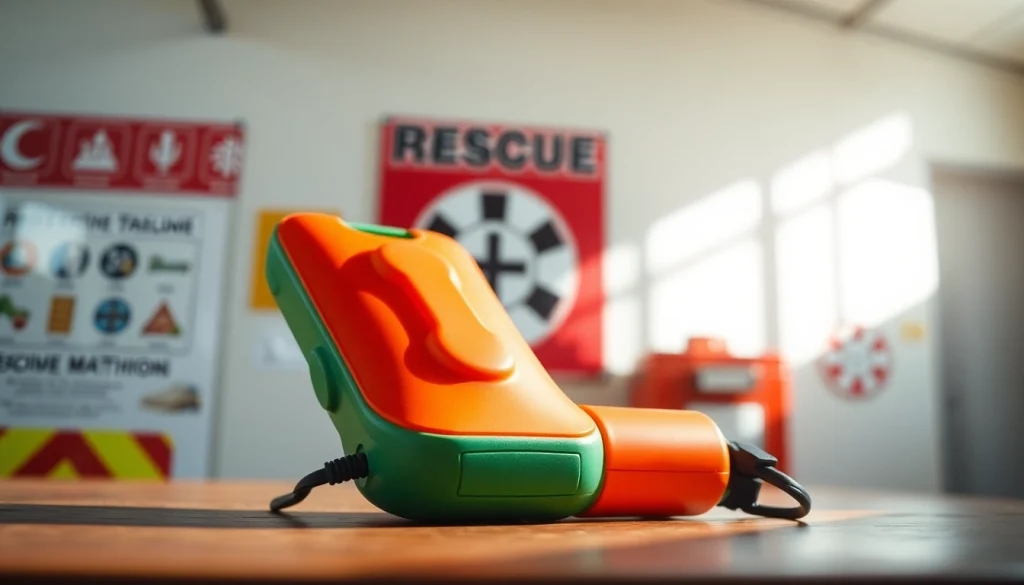
Understanding Choking and Its Risks
Definition of Choking and Common Causes
Choking occurs when an object becomes lodged in the throat or windpipe, blocking airflow. This can lead to serious, life-threatening complications if not addressed immediately. Common causes of choking include the consumption of food items that are more likely to obstruct the airways, such as meats, nuts, and candies, as well as non-food items like coins and small toys. Children are particularly vulnerable as they may not fully understand the risks associated with swallowing small objects. Awareness of the common causes of choking is vital for preventing such emergencies.
The Importance of Quick Action During Choking Incidents
When an individual is choking, time is of the essence. The brain can suffer irreversible damage within a matter of minutes without oxygen, meaning that immediate intervention is crucial. Quick action not only saves lives but can also drastically reduce the risk of long-term health complications. In many cases, bystanders equipped with the right knowledge and tools can make the difference between life and death.
Statistics: Choking Incidents and Emergency Responses
According to the National Center for Health Statistics, choking is a leading cause of unintentional injury and death, claiming thousands of lives annually. In the United States alone, about 5,000 choking deaths occur each year, predominantly affecting children under the age of four and adults aged 65 and older. These stark statistics illustrate the critical need for effective emergency responses and the accessibility of life-saving devices, such as a choking rescue device.
Types of Choking Rescue Devices Available
Overview of Popular Choking Rescue Devices
Choking rescue devices come in various forms, each designed to aid in the expulsion of an obstruction from the airway. Some popular types include:
- Heimlich Maneuver Kits: These kits often include inflatable training devices and instructional materials that teach individuals how to perform the Heimlich maneuver correctly.
- Emergency Suction Devices: These portable devices can safely remove foreign objects that cause choking, providing a good option for on-the-go safety.
- Choking Rescuer Sets: Compact and designed for ease of transport, these sets often feature tools that assist in airway clearance in critical situations.
Comparing Portable vs. Stationary Devices
Choosing between portable and stationary choking rescue devices depends largely on the environment in which they will be used. Portable devices are ideal for businesses, schools, and homes where quick access is essential. Stationary devices, such as wall-mounted options in public places, provide accessibility for everyone but may not always be as quick to operate in crises. Understanding the pros and cons of each type can significantly enhance emergency preparedness.
Understanding User-Friendliness in Rescue Devices
A key factor in the effectiveness of a choking rescue device is its user-friendliness. Devices that are simple to understand and operate increase the likelihood of effective response during high-stress situations. Features such as clear instructions, intuitive design, and accessible placement can greatly enhance the user experience and improve survival rates in choking incidents.
Key Features to Look for in a Choking Rescue Device
Safety Standards and Certifications
When evaluating choking rescue devices, it’s critical to ensure that they meet industry-recognized safety standards. Devices certified by organizations such as the American National Standards Institute (ANSI) or the National Fire Protection Association (NFPA) have undergone rigorous testing and evaluations, ensuring they function properly in life-saving situations.
Ease of Use During Emergencies
The design of a choking rescue device should allow for quick, decisive action during emergencies. Look for devices with straightforward operation and minimal assembly requirements. Devices that offer clear visual and verbal instructions are particularly valuable, as they can guide bystanders who may be unfamiliar with the equipment.
Durability and Maintenance Considerations
Durability is another essential consideration. The device should withstand frequent handling and potential drops without compromising functionality. Regular maintenance checks are important for ensuring the device remains in optimal condition, so it’s wise to select a product that comes with support and guidelines for upkeep.
Best Practices for Training and Usage
Training Sessions: Ensuring Proper Use of Devices
Training is paramount when it comes to maximizing the effectiveness of choking rescue devices. Organizations that work with vulnerable populations, such as children or the elderly, should offer regular training sessions to familiarize staff and caregivers with both the devices and the techniques needed to respond effectively in choking emergencies. Simulation exercises can reinforce skills and boost confidence.
Setting Up Emergency Protocols
Creating comprehensive emergency protocols that incorporate the use of choking rescue devices is crucial. These protocols should outline clear steps for how to respond in case of choking, including who will perform the Heimlich maneuver, how to use the device, and when to call for emergency services. Continuously updating these protocols to reflect changes in personnel and procedures will ensure that everyone is prepared.
Regular Drills and Preparation for Effective Response
Regular emergency drills are essential for reinforcing the responses outlined in emergency protocols. Practicing real-life scenarios increases readiness and ensures that staff and bystanders can act quickly and accurately during choking incidents. Drills can also serve as opportunities to gather feedback and identify areas for improvement.
Assessing the Effectiveness of Your Choking Rescue Device
Performance Metrics and User Feedback
Evaluating the effectiveness of your choking rescue device should involve gathering performance metrics and user feedback. Tracking how often the device is used, the outcomes of its usage, and gathering testimonials from users can provide valuable insights into how well the device meets its intended purpose.
Iterating on Your Safety Equipment Based on Incidents
After every choking incident, it’s essential to conduct a thorough review of the event. Analyze whether the rescue device was effective, whether users felt comfortable operating it, and how the situation could be improved in the future. Lessons learned from these reviews can lead to adjustments in training, device selection, and emergency protocol updates.
Community Engagement and Awareness Campaigns
Finally, fostering community engagement around choking prevention and response enhances overall awareness and preparedness. Organizations should consider launching awareness campaigns that educate community members about choking risks and the importance of being equipped with a choking rescue device. Collaboration with local healthcare professionals and emergency responders can amplify the message and extend outreach efforts.